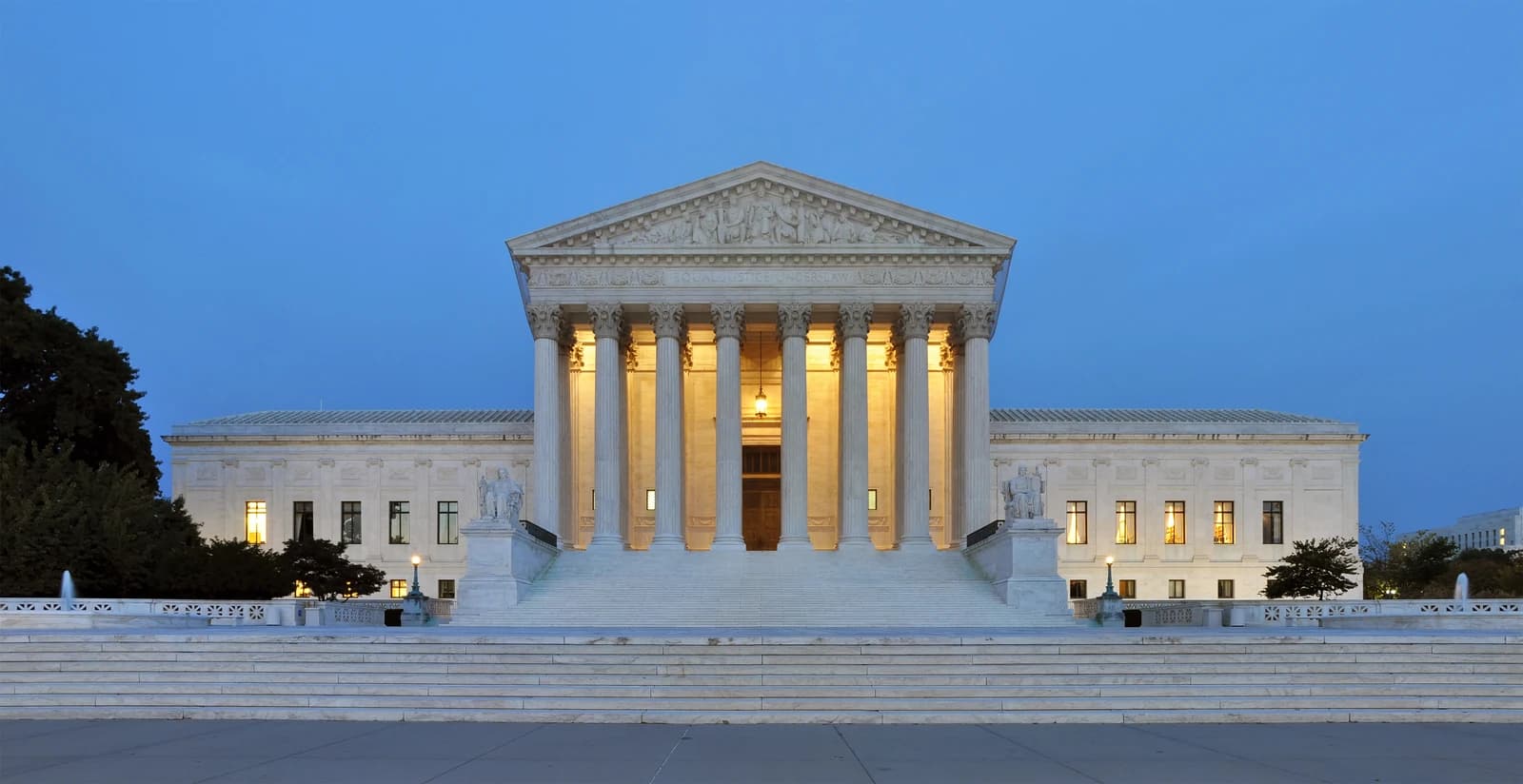
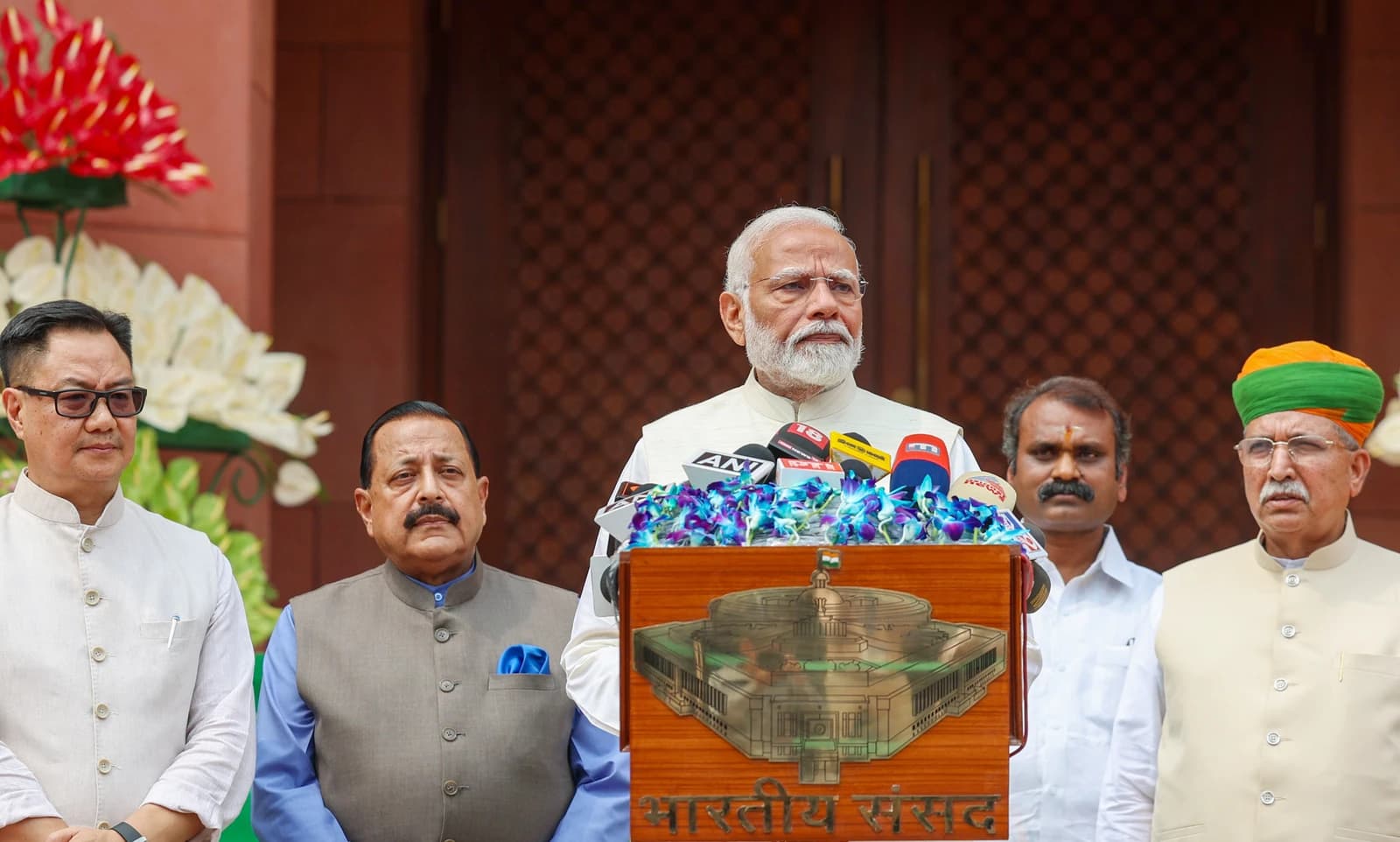
The U.S. Supreme Court on Thursday allowed New Hampshire to enforce a new voting rule that curbs the use of student ID cards, a decision that could tighten ballot access for younger voters in a closely watched Senate race and hand Republicans another procedural win in the run-up to the 2026 midterms.
New Hampshire Student ID Voting Rule Stays in Place
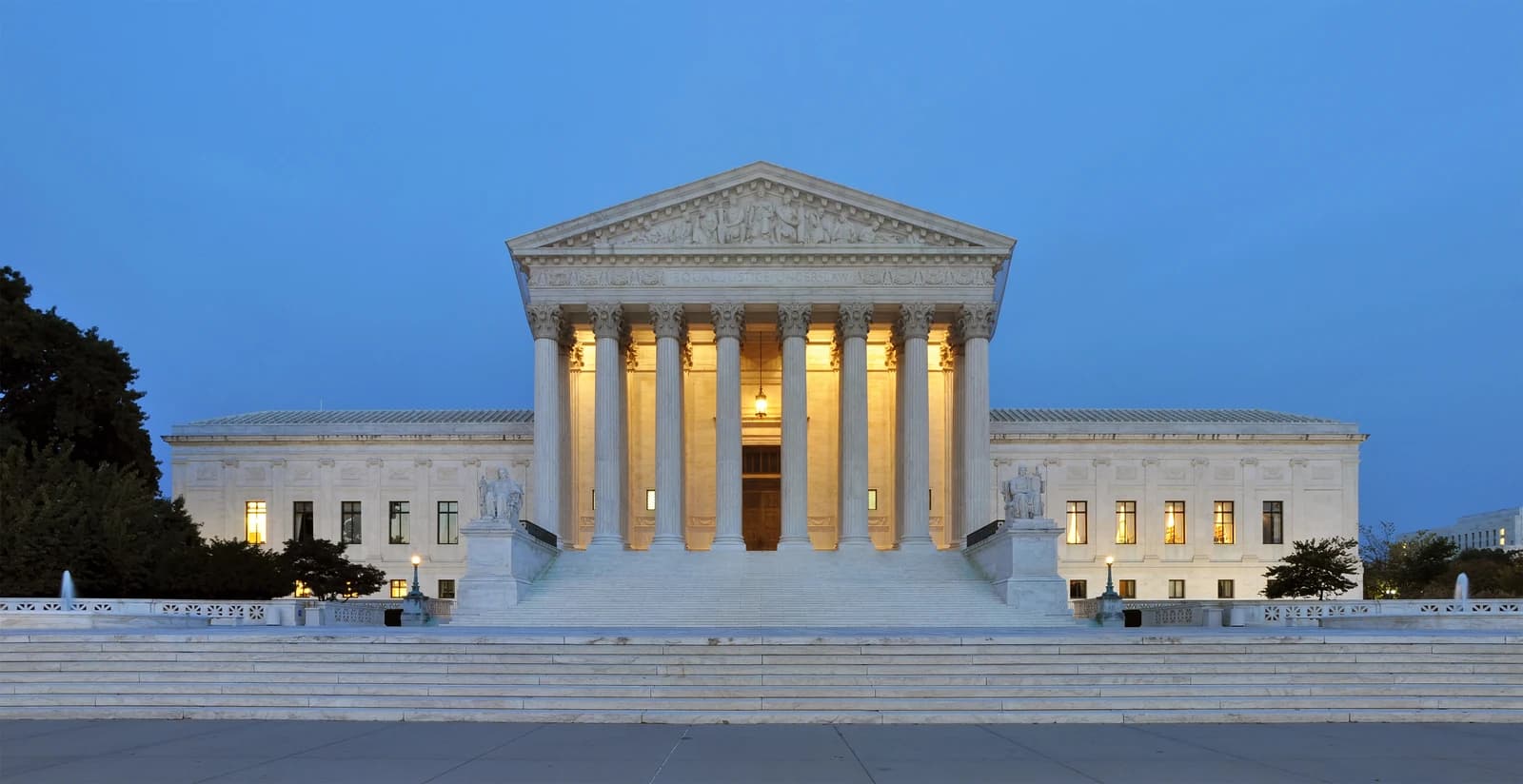
The unsigned order came down on the Court’s emergency docket and rested on the so-called Purcell principle, which discourages judges from changing election rules too close to voting. That makes the ruling important well beyond New Hampshire: it reinforces a legal standard that increasingly favors preserving contested state election rules in place when the calendar is running out.
Sentiment Indicators
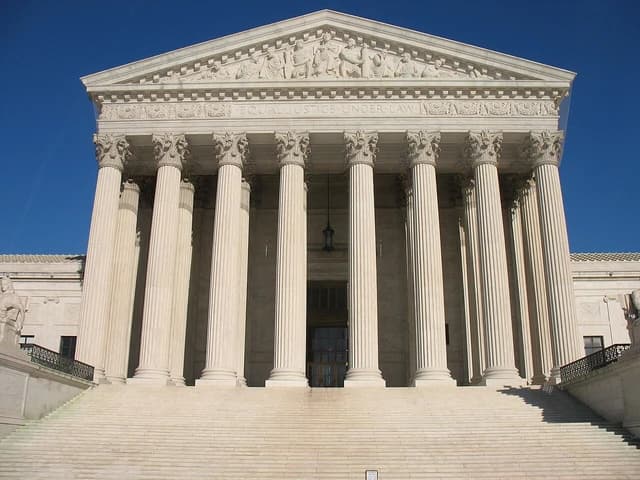
For New Hampshire officials, the practical effect is that student IDs can no longer be used on their own to verify a voter’s identity. State law still provides a fallback, or “safety valve,” allowing voters to establish identity through other means. But the dispute centered on whether officials could also refuse to consider student IDs alongside other evidence when someone requests a ballot. After New Hampshire interpreted the law that way, a voting rights group sued and won a lower-court block that the Supreme Court has now effectively lifted.
The ruling matters politically because New Hampshire is heading into a Senate election to replace retiring Democrat Jeanne Shaheen, and younger voters are a core constituency for Democrats. A CNN poll cited in the case found Democrats held a 31-percentage-point advantage over Republicans among younger adults, underscoring why access rules that can affect campus turnout are so sensitive in a state where small shifts can matter.
The Republican National Committee backed the state and argued that the lower court’s intervention threatened to disrupt identity verification in looming elections. For Republicans, the decision is consistent with a broader strategy of defending voter-ID and election-administration rules in court while keeping last-minute judicial changes at bay. For Democrats and voting-rights groups, it is another example of the Court allowing state restrictions to stand even as litigation continues.
Justice Ketanji Brown Jackson dissented briefly, questioning the use of the Purcell doctrine in this case. The Court did not disclose how the other justices voted, which is typical for emergency orders but leaves the merits unresolved for now.
The bigger investor takeaway is indirect but real: election-law fights are becoming a more material part of the political risk backdrop heading into 2026, and the Supreme Court is increasingly the venue where time-sensitive disputes are decided. That raises the odds that state-level rules on voting access, mail ballots and voter identification will remain in force through Election Day unless challengers move early enough for full merits review.
| Entity | Gains | Losses |
|---|---|---|
| New Hampshire officials | ▲Voting rule stays in force | ▼Judicial block lifted |
| Republican National Committee | ▲Stricter ID regime preserved | ▼None immediate |
| Young Democratic voters | ▲Alternative verification remains | ▼Student IDs limited |
| Voting-rights groups | ▲Case still alive on merits | ▼Election-day access narrowed |