Student-loan borrowers are back in court trying to force the Trump administration to deliver debt relief that advocates say is overdue under a long-running settlement covering more than 500,000 defrauded borrowers.
Sweet settlement delays keep student-loan refunds pending
The Project on Predatory Student Lending says the Education Department is still sitting on loan discharges and refunds for more than 1,000 people who were supposed to get relief under the Sweet v. McMahon agreement, even after a federal judge rejected the administration’s bid in July to delay the program. The filing raises the stakes in a case that has already produced $23 billion in relief, and turns a borrower-rights lawsuit into a test of whether the government will comply with deadlines that have already passed.
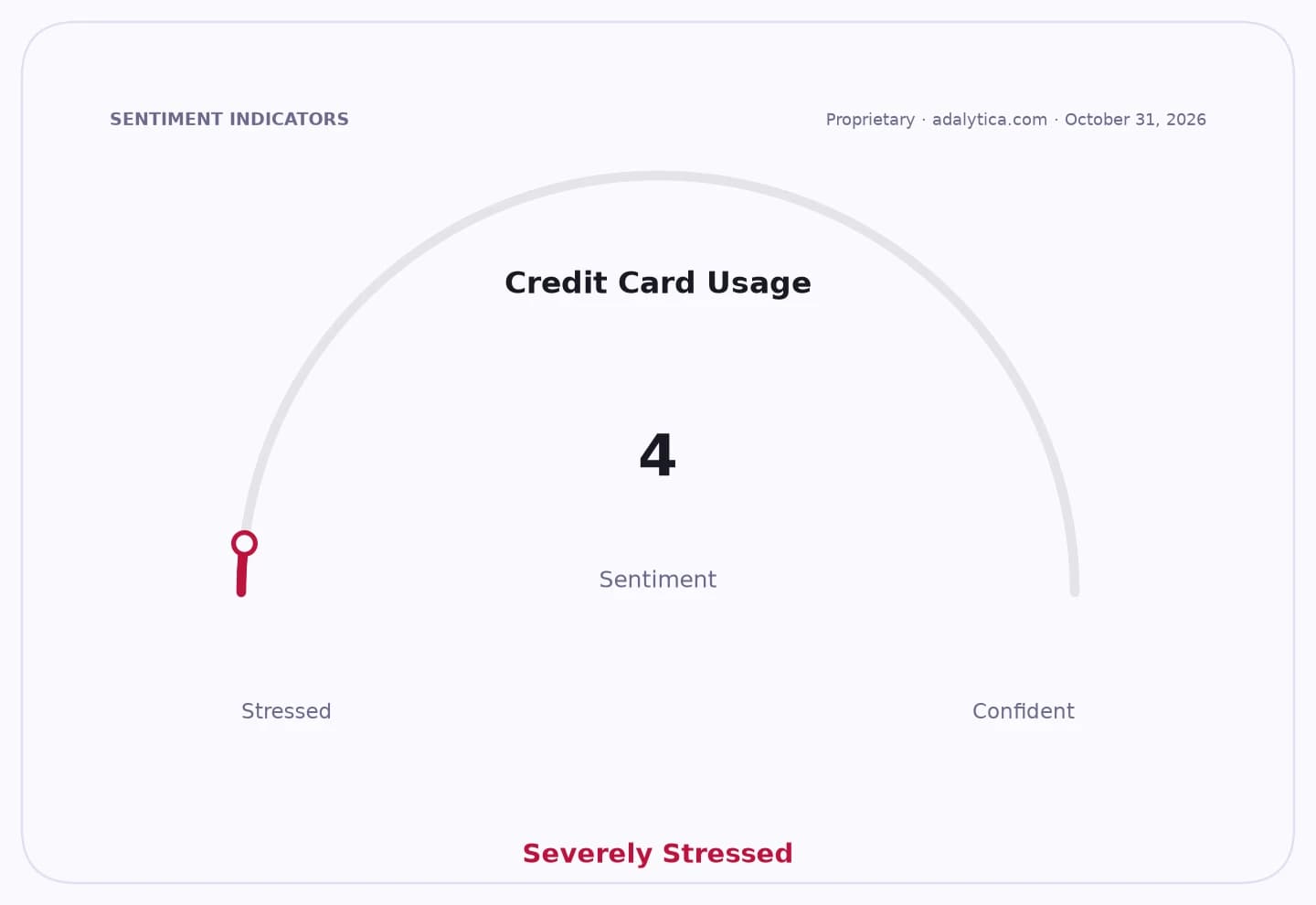
Sentiment Indicators
The economic significance is broader than one court fight. Student debt remains a meaningful drag on household cash flow, especially for borrowers who were defrauded by for-profit or other troubled schools and have waited years for their balances to be wiped out. If relief is delayed, those borrowers keep making payments, carrying accrued interest or remaining in default when they otherwise might have regained financial stability. That slows consumption, delays saving, and can keep affected households out of the housing and credit markets longer than intended.
PPSL is asking the court to enforce the settlement, hold the department in contempt and require weekly status meetings with plaintiffs’ counsel. The group also wants the judge to threaten penalties if the department does not comply. In response, the Education Department called the motions “baseless,” while the department’s ombudsman said the remaining refunds are being held because those accounts “warranted further review,” not because of a failure to process the claims. The public hearing is set for Nov. 5.
For investors, the issue is not just legal compliance but what it says about the policy backdrop for student lending. The administration’s posture on federal loans matters for originators, servicers and refinancing platforms because repayment behavior, borrower demand and the pace of federal relief all shape volumes and credit performance. Companies such as SoFi, Sallie Mae and Navient have all flagged student-loan policy, repayment conditions and broader federal executive actions as material to their businesses in recent filings.
The bull case for the industry is that a clearer, faster federal process could eventually normalize borrower behavior and reduce uncertainty around repayment and forbearance. The bear case is that prolonged delays and legal friction keep borrowers in limbo, sustaining stress in the system and making it harder to predict credit outcomes, payment flows and loan demand. For equity investors, that means the settlement is not just a consumer-rights dispute; it is another reminder that Washington can still move the economics of student lending.
What happens next will hinge on whether the court forces the department to accelerate the remaining discharges and refunds, or whether the administration succeeds in keeping the process slow-walked through further review. Either outcome will shape the pace at which stranded borrowers exit the system — and the degree to which student debt remains a political and financial overhang.
| Entity | Gains | Losses |
|---|---|---|
| Borrowers in Sweet settlement | ▲Debt relief and refunds | ▼Ongoing payment and uncertainty |
| Project on Predatory Student Lending | ▲Court enforcement leverage | ▼Prolonged litigation |
| Education Department | ▲Review time and control | ▼Legal pressure and contempt risk |
| Student-loan lenders/servicers | ▲Policy clarity if relief resumes | ▼Volatility from delayed borrower resolution |