For South African motorists already behind on repayments, losing a car often does not end the debt — and in some cases can leave them owing hundreds of thousands of rand after the vehicle is sold.
South Africa car repossession debt shortfall cases
Credit Card Usage
That risk is drawing fresh scrutiny after recent High Court judgments and ombud complaints showed how shortfalls, balloon payments and procedural lapses can leave borrowers with lasting liabilities long after repossession. The National Financial Ombud Scheme says more than 22,600 vehicles were repossessed in the first six months of 2023, underscoring how common the problem has become.
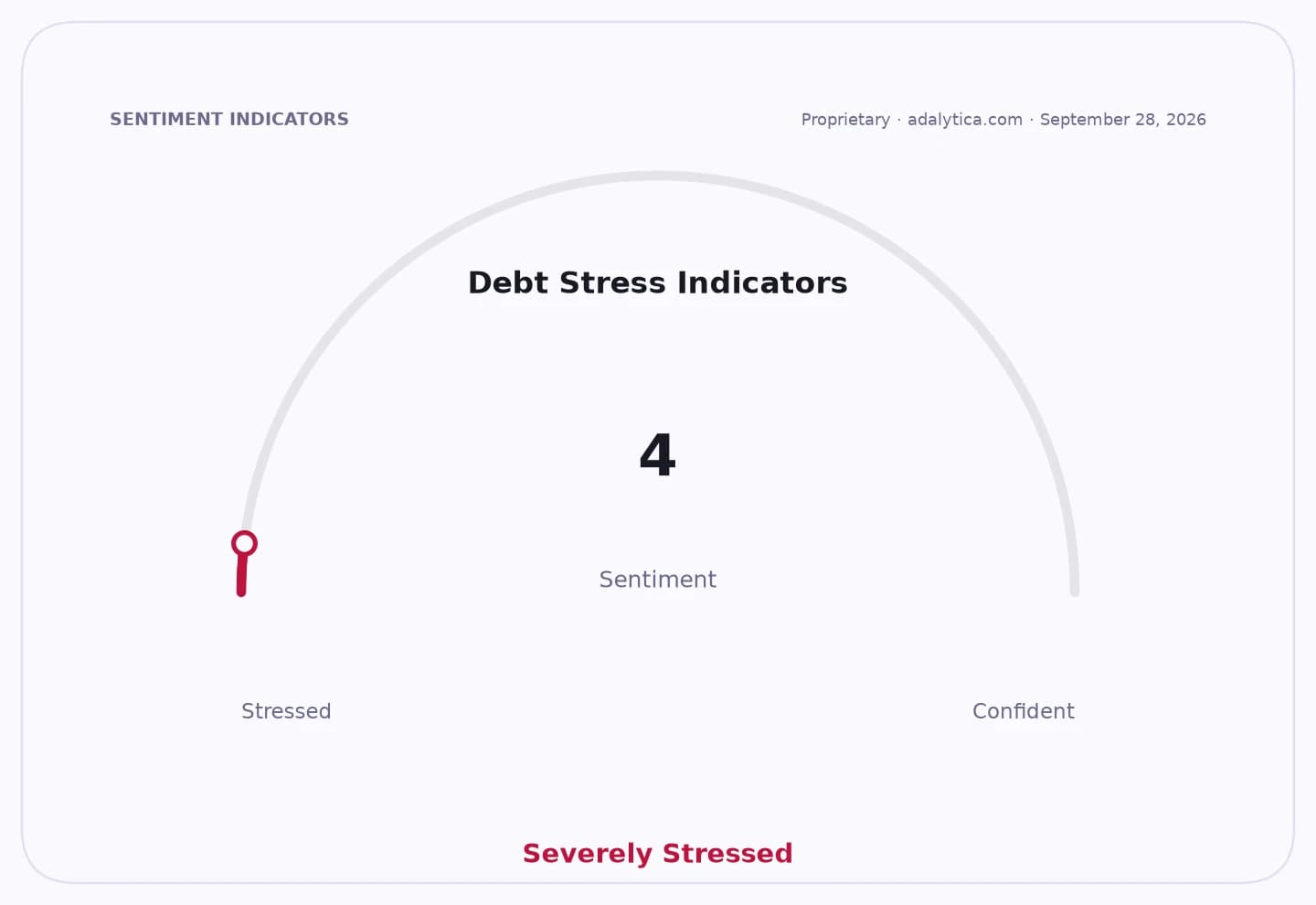
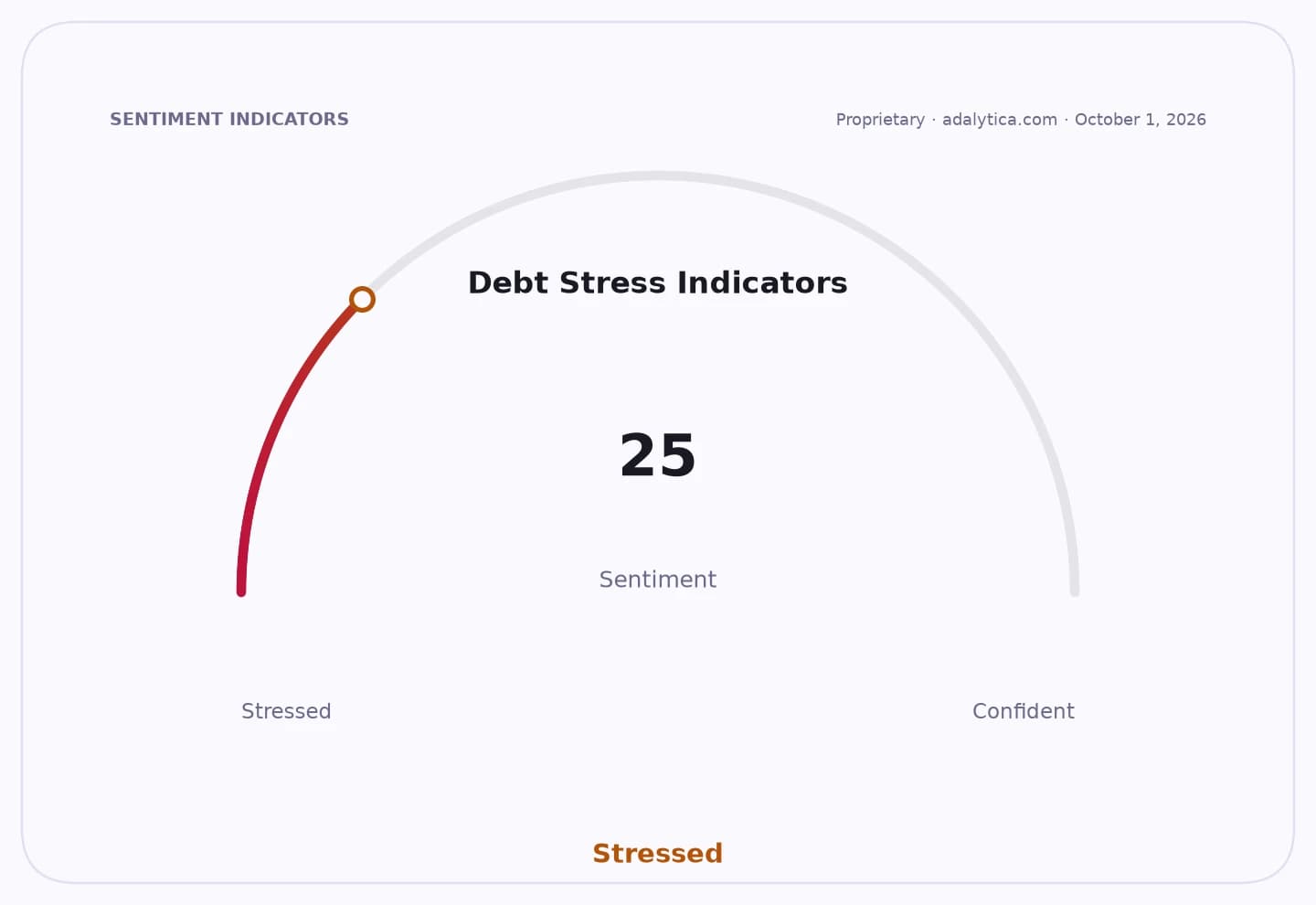
Sentiment Indicators
The economics are straightforward: when a repossessed car fetches less than the outstanding finance balance, the borrower remains liable for the difference. If the sale price is higher, the surplus must be returned to the consumer. In a weak household-credit environment, that means repossession can deepen financial distress instead of resolving it.
That is what happened in an August Johannesburg High Court case involving Absa and Sifiso Jacob Masina, who financed a Mercedes-Benz V250D. Judge Wentzel-Thompson found arrears of about R98,204 remained unpaid, upheld cancellation of the agreement and allowed the bank to seek damages or a shortfall after the vehicle is sold.
A separate June ruling in the Mpumalanga High Court showed how balloon payments can magnify the burden. In Duma v First Rand Auto Receivables, the contract for a Hyundai Creta carried monthly instalments of about R6,219 and a final balloon payment of R111,863, with arrears reaching roughly R151,591 before the car was repossessed.
The broader message for lenders and borrowers is that repossession is both a credit-risk event and a legal process. A borrower’s breach does not erase a bank’s duty to follow the National Credit Act, and that has already led to debt write-offs, compensation awards and cancelled legal and storage charges where lenders failed to produce surrender documents or court authority.
For investors, the story points to the quality of unsecured and vehicle-finance books across South African banks and specialist lenders, particularly if household strain persists. Vehicle-finance providers face not just higher shortfall risk, but also legal and reputational costs if repossessions are mishandled.
The near-term catalyst is whether more consumers start challenging repossessions and shortfall claims as the ombud and courts continue to test lender procedures. That could shape recovery rates, collections costs and provisioning across the auto-finance market.
| Entity | Gains | Losses |
|---|---|---|
| Lenders | ▲recover collateral value | ▼face shortfalls and legal risk |
| Borrowers | ▲potential write-offs if process flawed | ▼lingering debt after repossession |
| Banks/auto financiers | ▲enforce contracts | ▼higher collections and compliance costs |
| Consumer ombud/courts | ▲stronger enforcement role | ▼heavier complaint volume |