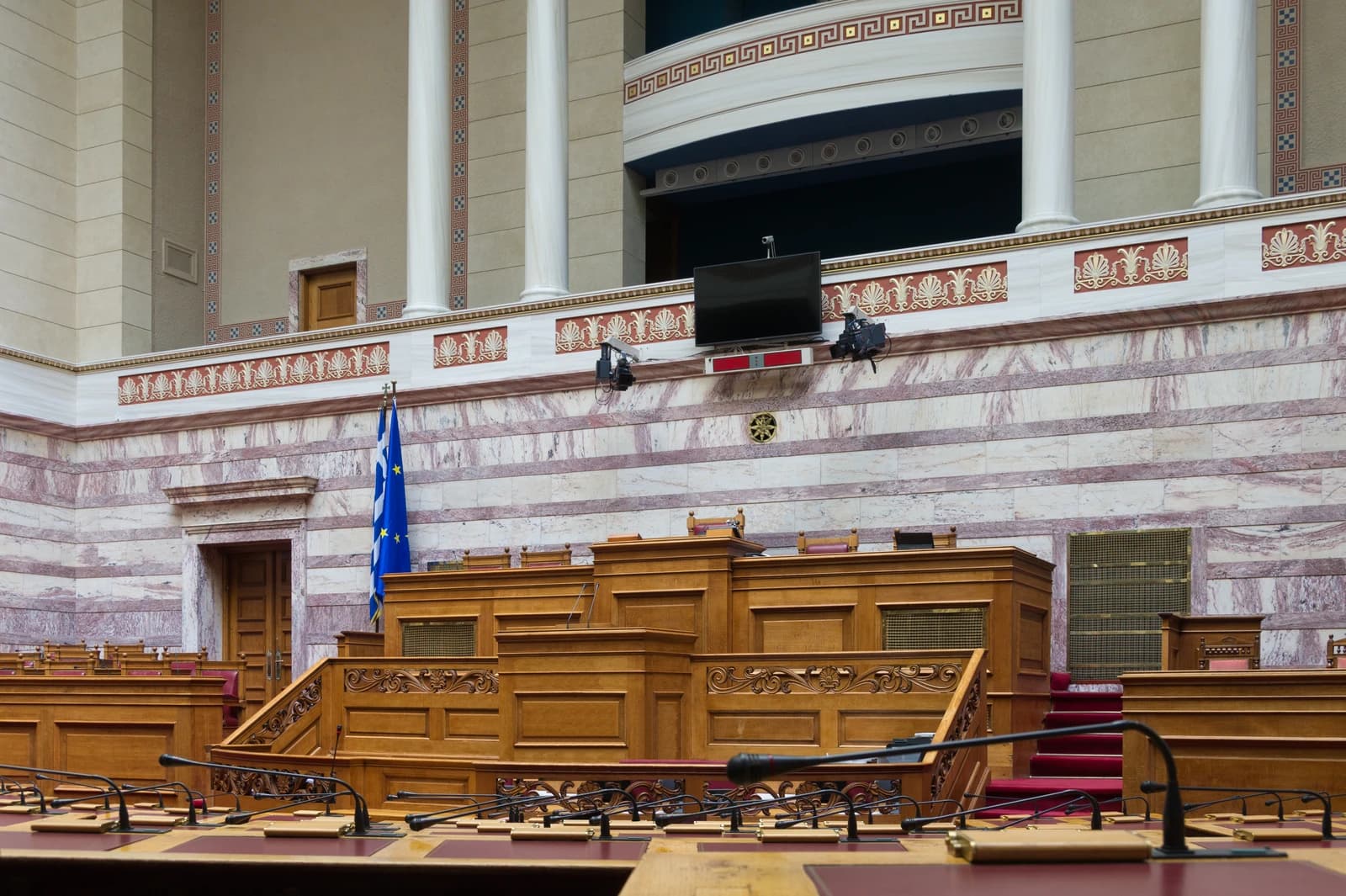
Greece’s opposition SYRIZA party has moved to force a parliamentary inquiry into the country’s private debt market and the “Hercules” bad-loan cleanup plan, putting fresh political pressure on a system that has helped banks repair their balance sheets while leaving households and small businesses under heavy repayment strain.
Greece SYRIZA Pushes Inquiry Into Hercules Bad Loans
That matters because the inquiry goes straight to the trade-off at the heart of Greece’s post-crisis financial recovery: banks have shed non-performing loans and stabilized capital ratios, but the social and economic cost of pushing debt into funds and servicers remains unresolved. If lawmakers widen the scrutiny, it could reshape the rules around loan sales, state guarantees and collections, with direct implications for banks, distressed-debt investors and Greece’s public finances.
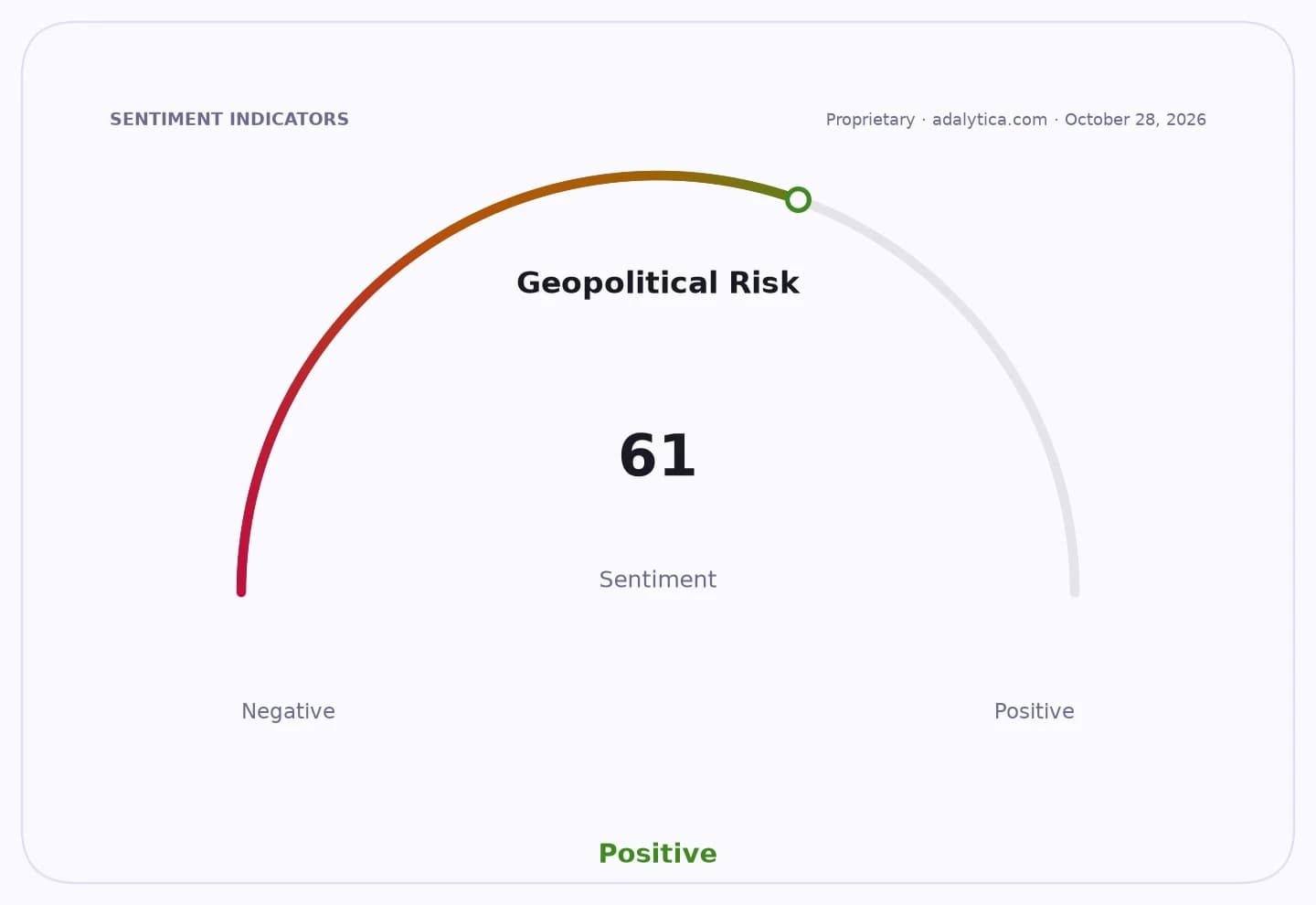
Sentiment Indicators
Debt Stress Indicators
SYRIZA’s proposal targets the state-backed Hercules securitization program, which was designed to accelerate the removal of bad loans from bank books through guaranteed tranches and transfers to funds. The party says the probe should determine whether the cleanup of bank balance sheets was matched by a genuine solution to private debt, and whether the public interest, borrowers’ assets and productive activity were adequately protected.
The inquiry would examine bank recapitalizations, the terms of debt sales, the pricing of loan portfolios, the transfer of credit risk and the role of state guarantees under Hercules. It also cites findings from Greece’s Court of Audit for 2024 on the tracking, accounting and disclosure of contingent liabilities tied to those guarantees — a point that raises the risk of fiscal scrutiny just as Europe remains sensitive to sovereign and banking-sector debt exposure.
Debt Stress Indicators
For investors, the stakes are not academic. Any tighter parliamentary or regulatory review could increase compliance costs for loan servicers and debt buyers, slow the pace of collections and force a reprice of the cash flows embedded in Greece’s distressed-credit market. It could also revive questions over whether the state has enough visibility into guarantees that may eventually hit the budget if recoveries disappoint.
The broader political signal is clear: the era of treating nonperforming-loan cleanup as a purely technical banking fix is over. SYRIZA is framing the issue as one of distribution, transparency and public risk, and that argument resonates at a time when household debt stress remains a live concern and borrowers are still vulnerable to foreclosures and weak debt-resolution mechanisms.
The immediate market reaction may be limited, but the medium-term consequence is more important: if this inquiry gains traction, Greece’s bad-debt ecosystem could face a tougher policy environment just as investors have been betting that the country’s banking repairs are largely complete. The opportunity set may shift from the banks themselves to the firms best positioned for higher transparency, stronger servicing standards and more conservative credit underwriting.
| Entity | Gains | Losses |
|---|---|---|
| SYRIZA | ▲Political leverage | ▼Government credibility |
| Greek borrowers | ▲Scrutiny of collections | ▼Little near-term relief |
| Banks | ▲Cleaner balance sheets already achieved | ▼Renewed policy scrutiny |
| Funds/servicers | ▲Existing recovery rights | ▼Higher compliance and repricing risk |