Serbia’s one-off 6,000-dinar state aid is protected from debt enforcement, but recipients who cannot prove the origin of the payment may still face delays or wrongful deductions that require a formal complaint.
Serbia 6,000 dinar aid exempt from debt enforcement
The issue matters because the money is intended as targeted household support during a period of elevated living costs, not as a source of debt repayment. Under the law cited by lawyer Stefan Jaćimović, the aid is exempt from execution, meaning public enforcers and banks should not use it to satisfy creditors even if the recipient is already in enforcement proceedings.
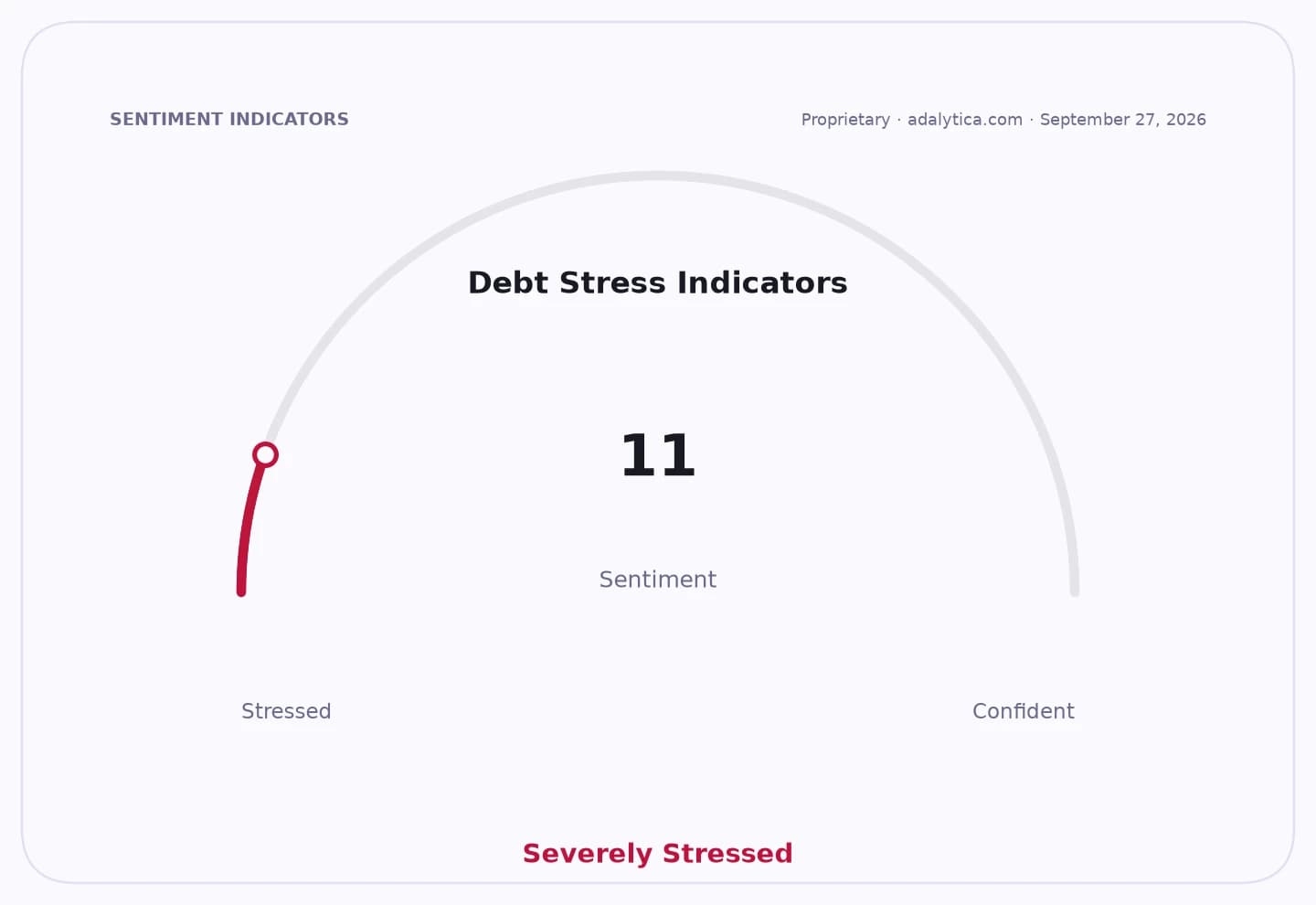
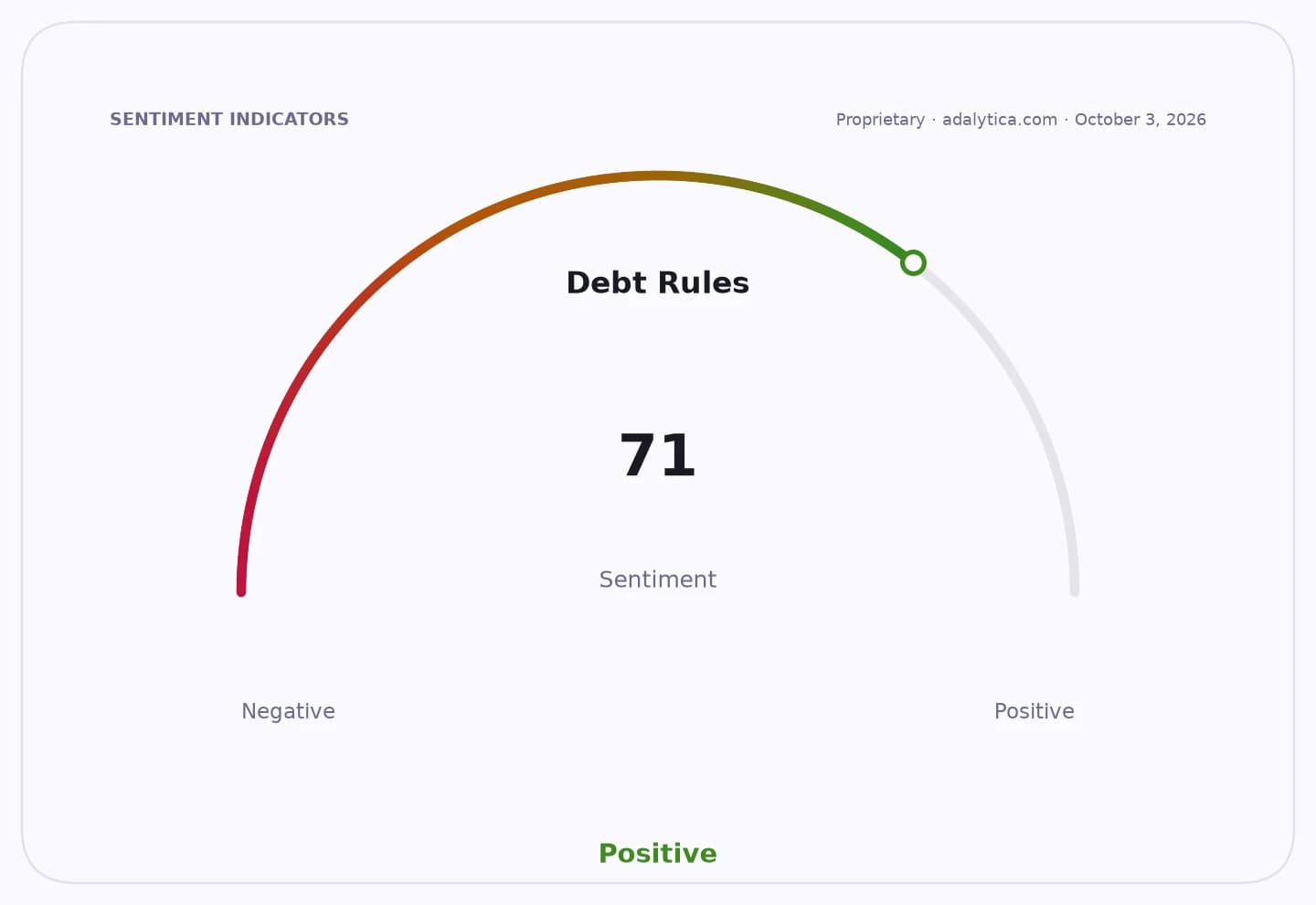
Sentiment IndicatorsⓘProprietary · adalytica.com · September 30, 2026
This is a snapshot — live sentiment, awareness and momentum for 130+ markets update continuously in the dashboard.Open AlphaPulse
That legal protection is straightforward in principle, but the practical risk is administrative error. Social media claims that some people were told at Poštanska štedionica that the 6,000 dinars had been sent to executors highlight how easily protected benefits can be mixed up with ordinary account inflows. For households already under financial strain, even a small wrongful deduction can create a cash-flow problem and add to debt stress.
The key for investors, lenders and policymakers is that this is less a credit-market story than a consumer-protection and payment-system story. It underlines how vulnerable low-income households remain to enforcement actions and how important it is for banks and public officials to distinguish state transfers from private funds. If the transfer is taken despite the legal exemption, the recipient should immediately file a complaint to the public executor and present evidence showing the payment came from the state, such as a Treasury Administration statement or a payment certificate from the relevant fund.
The broader economic narrative is Serbia’s effort to use small, one-off transfers to cushion households while debt pressures remain pervasive. That support may be modest, but for families with outstanding obligations it can be the difference between keeping up with bills and falling further behind. The policy also reflects a wider balancing act: governments want to provide relief without allowing those funds to be absorbed by creditors, while creditors and enforcement offices want clear, verifiable rules that reduce disputes.
For households, the immediate takeaway is simple: the 6,000 dinars should not be seized, but documentation matters. For banks and executors, the story is a reminder that compliance failures can quickly become reputational and legal risks.
| Entity | Gains | Losses |
|---|---|---|
| Borrowers/recipients | ▲Protected state aid | ▼Risk of wrongful deduction |
| Banks | ▲Clearer compliance rules | ▼Complaint handling burden |
| Public executors | ▲Defined exemption framework | ▼More dispute resolution |
| State aid recipients | ▲Keep emergency cash | ▼Need proof of source |