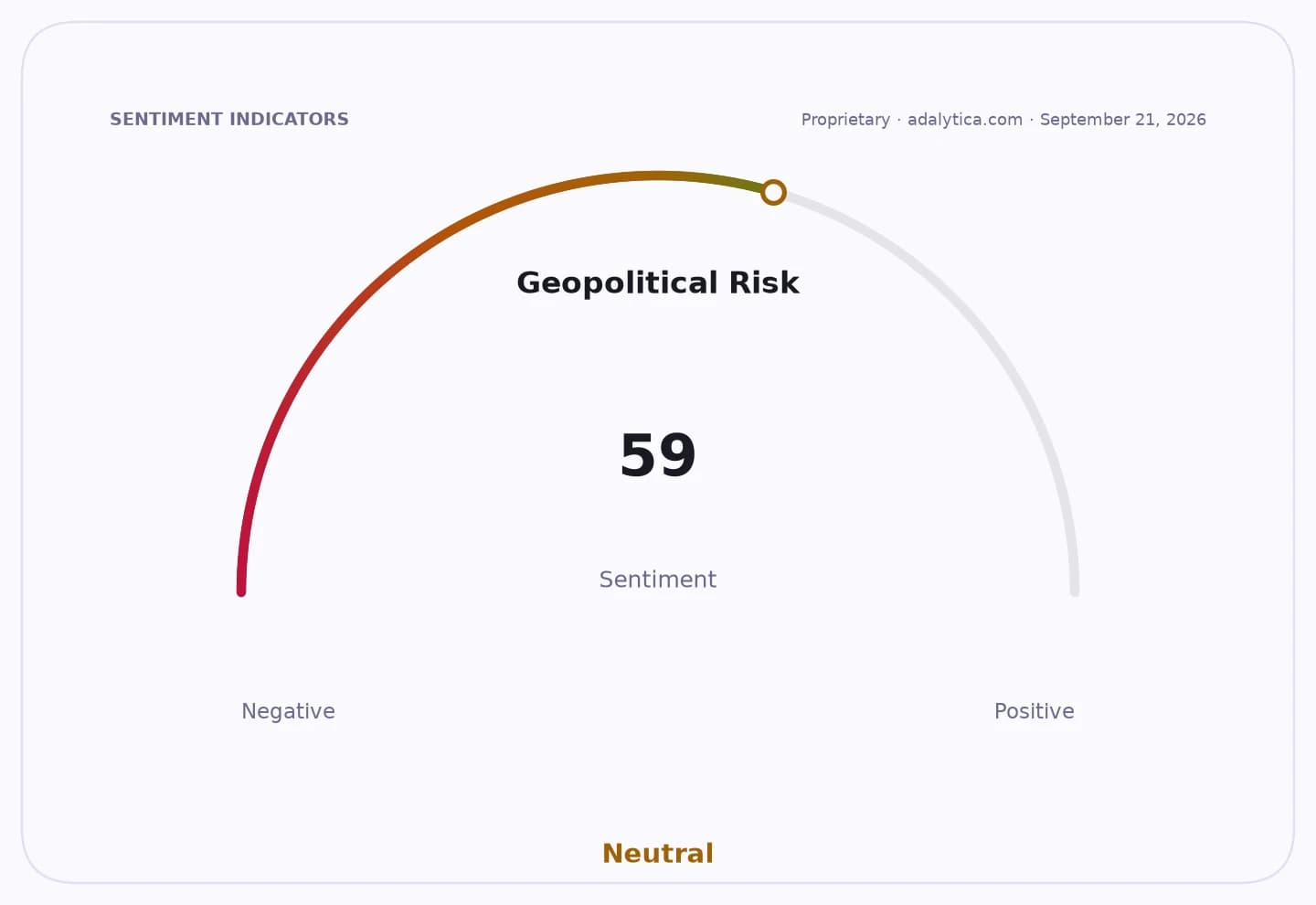
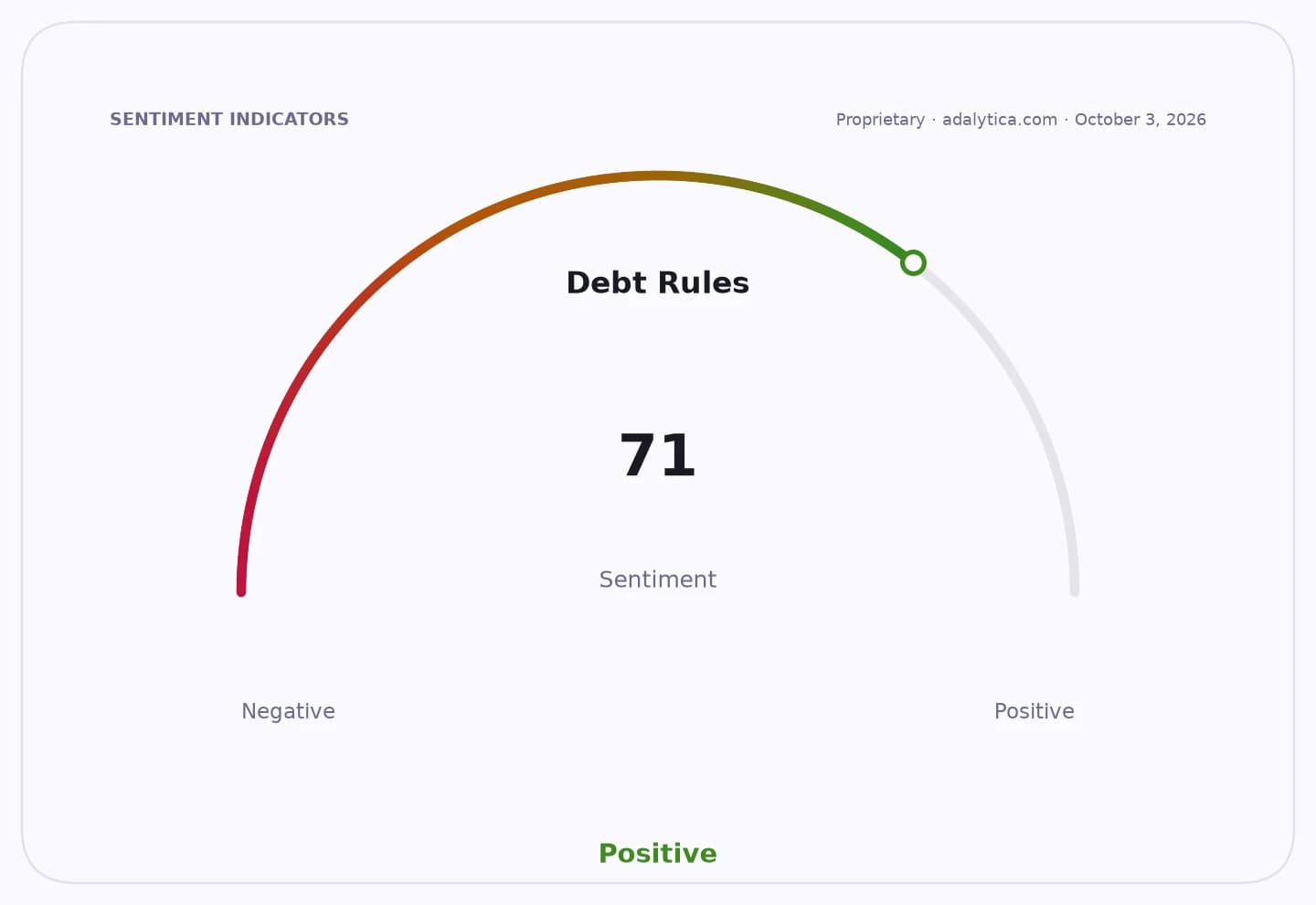
The European Court of Human Rights has made final its March ruling backing Slovenia over claims tied to old foreign-currency deposits placed at Ljubljanska banka’s Sarajevo branch, removing the last major legal hurdle in a long-running succession dispute that has hung over the country for years.
Slovenia Gets Final ECtHR Ruling on Deposits
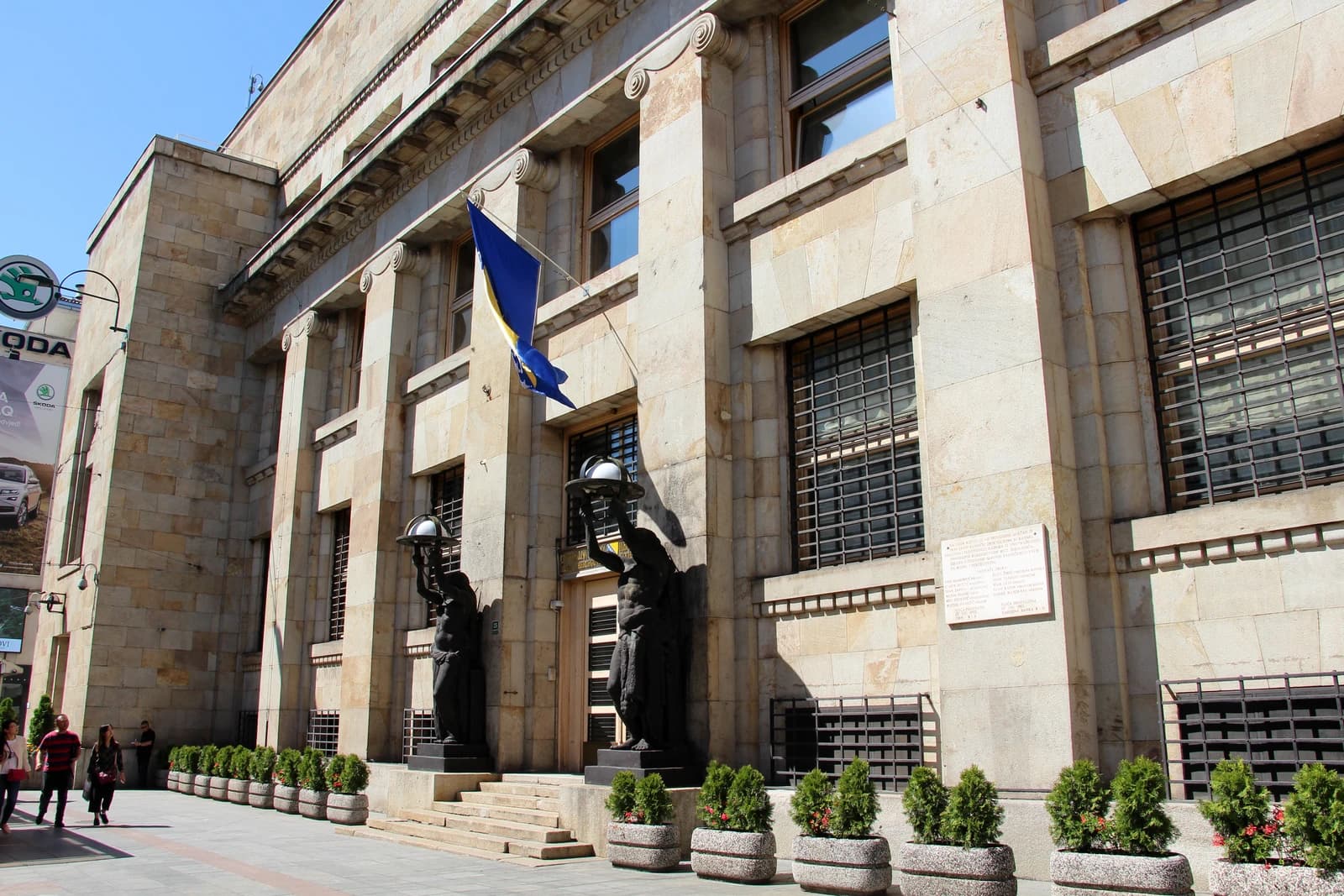
The court in Strasbourg said a five-judge panel of its Grand Chamber refused to send the Landika case back for review, meaning the earlier judgment now stands. For Slovenia, the decision is important less for any immediate market impact than for closing a decades-old liability question that stemmed from the breakup of Yugoslavia and the fate of deposits that were effectively stranded during the transition.
Sentiment IndicatorsⓘProprietary · adalytica.com · September 26, 2026
This is a snapshot — live sentiment, awareness and momentum for 130+ markets update continuously in the dashboard.Open AlphaPulse
Ljubljana has argued that it is not responsible for claims linked to deposits that were transferred under Bosnian law without LB’s involvement. In March, the court accepted that reasoning, finding the Landika claim materially different from the landmark 2014 Ališić case, in which the court had ruled in favor of savers seeking repayment of old savings.
Slovenia’s foreign ministry said it welcomed the finality of the decision and expects proceedings before the court over the so-called old foreign-currency deposits to be concluded. It estimates there were about 60 similar complaints before the ECtHR, which now may be dismissed or ruled on in line with the Landika judgment.
For investors, the significance is mainly on the sovereign-risk side. A confirmed legal end to the Strasbourg track reduces the chance of fresh fiscal costs, limits headline risk around successor-state liabilities, and removes a potential source of uncertainty for Slovenia’s public finances and broader legal reputation. The case also underscores how unresolved post-Yugoslav claims can continue to surface decades later, even when they no longer pose a major balance-sheet threat.
The ruling does not resolve the underlying political and diplomatic issue over how successor-state obligations should be split among former Yugoslav republics. But it does strengthen Slovenia’s legal position and narrows the field for remaining claimants, making it more likely that any further disputes will be handled outside the ECtHR framework.
| Entity | Gains | Losses |
|---|---|---|
| Slovenia | ▲Legal finality | ▼Residual claim risk |
| Bosnian LB savers | ▲None | ▼Prospect of repayment via ECtHR |
| Former Yugoslav successor states | ▲Pressure to settle succession issues | ▼Prolonged uncertainty |
| Slovenian public finances | ▲Lower contingent liability | ▼— |