The Varna Administrative Court has put off three high-profile cases over the demolition of buildings in Baba Alino until October, keeping 40 apartments in legal limbo and prolonging a dispute that now carries real economic stakes for the developer, the city and local residents.
Varna Court Delays Baba Alino Demolition Cases
That matters because demolition fights are not just local planning quarrels; they decide who bears the cost of illegal or disputed construction, how quickly land can be restored, and whether buyers, lenders and contractors can trust the rules around property rights. In this case, the court also ordered technical expert reports and requested building documents from the Primorski district and the Varna prosecutor’s office, signaling that the judges want a fuller record before ruling on whether the city’s June demolition orders should stand.
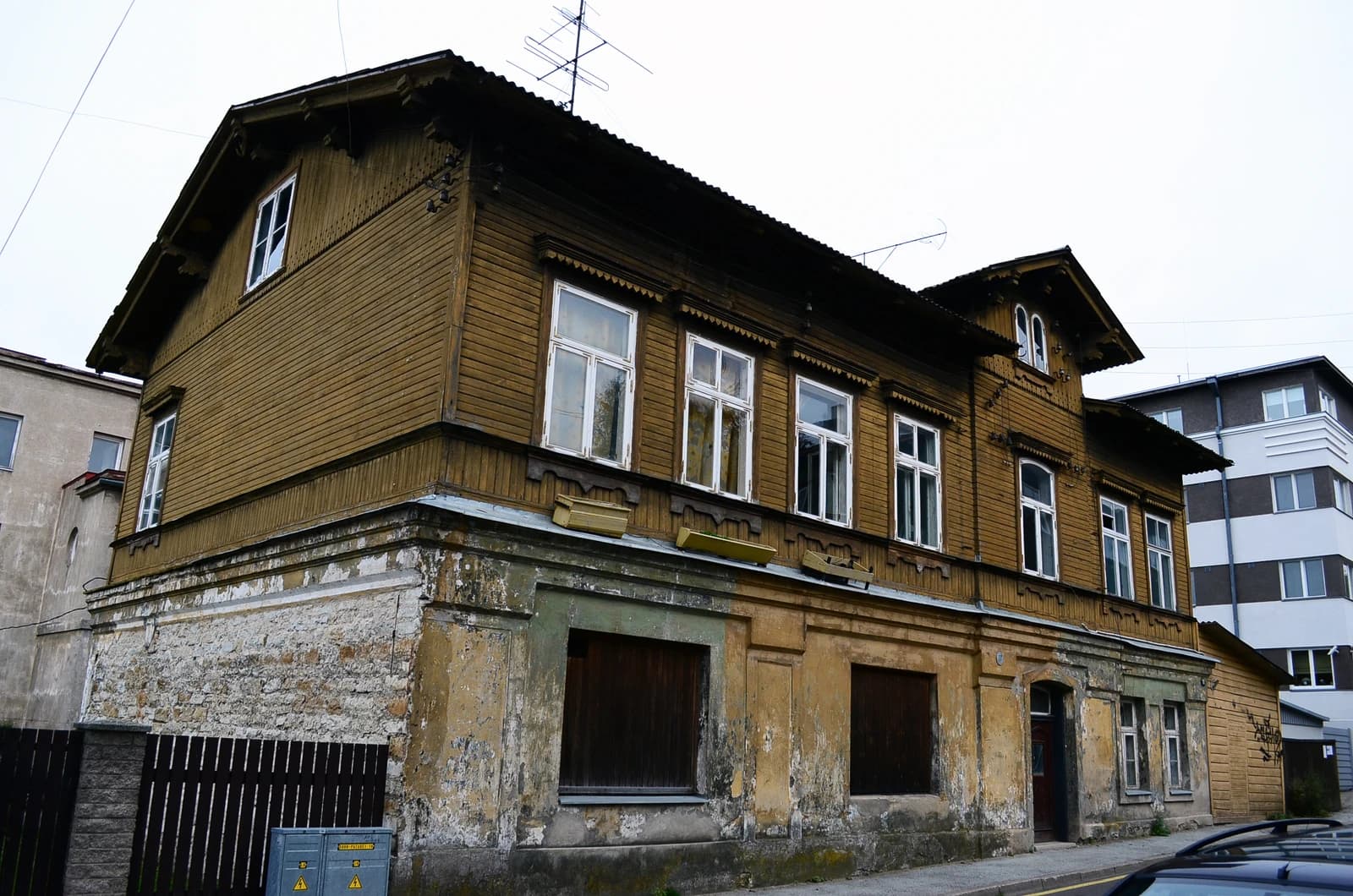
The cases concern 12 buildings in the Baba Alino area, with three of them heard back-to-back by the same panel. They stem from appeals by investor Forest Club against orders issued by Varna mayor Blagomir Kotsev. The company’s lawyers argued the buildings were properly documented and that cadastral entries and notarial deeds were issued on that basis. They also said most of the disputed structures received tolerance certificates in 2023, though those papers were seized in a police operation at the firm’s office in May.
For investors, the key issue is not simply whether the buildings are eventually demolished or preserved. It is whether the legal process confirms the durability of permits, ownership records and compliance documents in a market where urban land values can be highly sensitive to enforcement risk. A ruling favoring the city would reinforce a tougher regulatory backdrop for developers and could raise the cost of capital for projects that depend on uncertain paperwork. A ruling for the investor would do the opposite, suggesting that documentation and cadastral registration can still outweigh later claims of illegality.
The broader backdrop is a growing crackdown on unauthorized construction, with courts and municipalities under pressure to balance public safety, environmental concerns and property rights. Supporters of the “Vazrazhdane” party gathered outside the court calling for fairness, while some expected demolition and ecological restoration in the area. For long-term investors, the lesson is straightforward: when the legal status of a property is unclear, the real risk is not the next court date but the years of uncertainty that follow. This is the kind of dispute worth watching, especially for anyone exposed to Bulgarian real estate, urban infrastructure or land development.
| Entity | Gains | Losses |
|---|---|---|
| Varna city hall | ▲Stronger enforcement case | ▼Legal uncertainty |
| Forest Club | ▲Chance to preserve assets | ▼Demolition risk |
| Local residents / environment | ▲Potential restoration | ▼Delayed resolution |
| Buyers / lenders | ▲Clearer title if ruled | ▼Confidence during limbo |