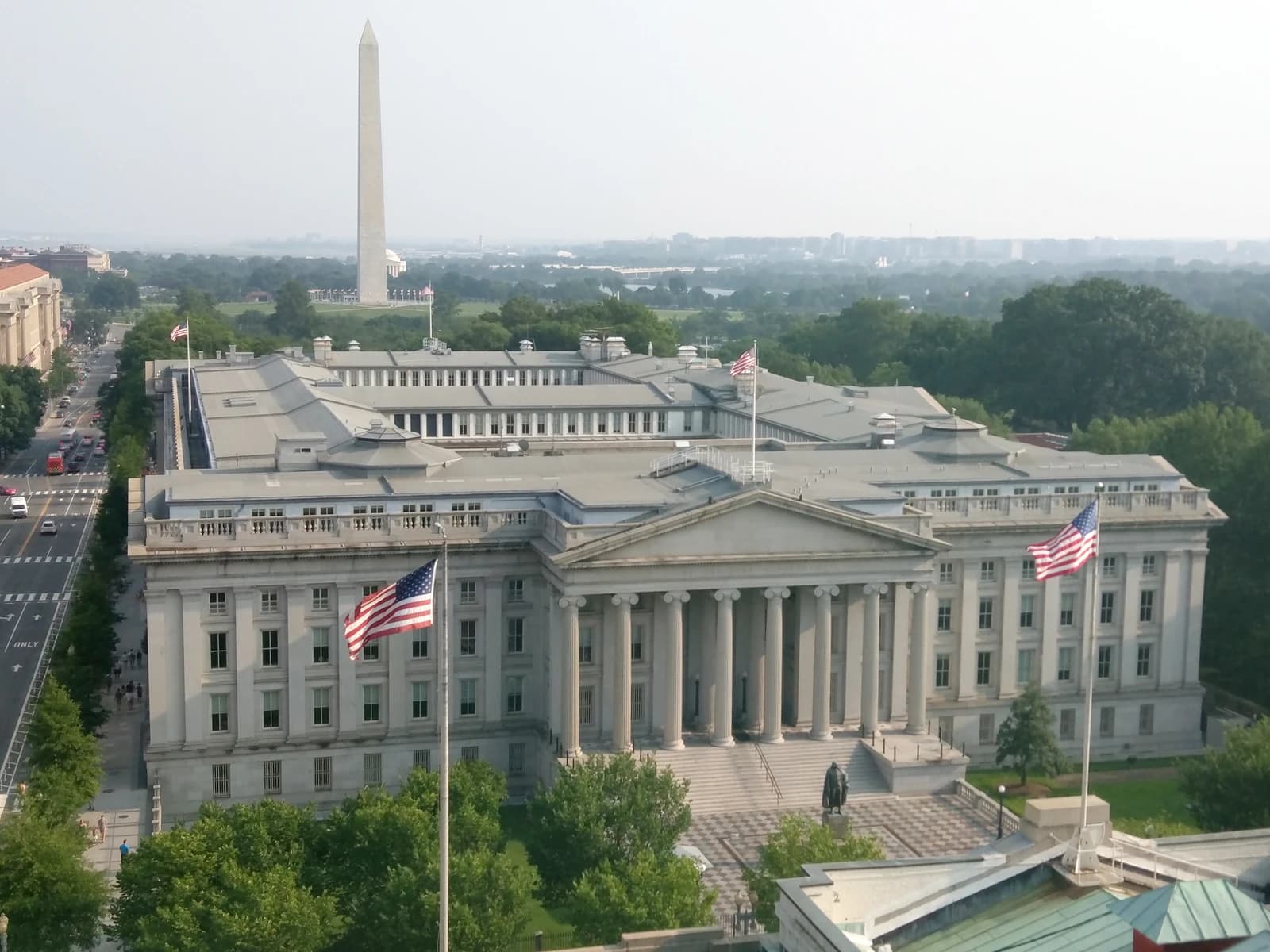
Citizens in Trinidad and Tobago were left unable to cash government cheques after the Treasury Building’s Paybranch Unit in Port of Spain shut down because of technical difficulties, highlighting how quickly a basic public payment bottleneck can turn into a cash-flow problem for households that rely on state disbursements.
Trinidad and Tobago Treasury cheque cashing shuts
The closure matters because government cheques are not an abstract administrative detail; for many recipients they are immediate spending power for rent, food and transport. When the Treasury’s cashing facility goes offline, the effect is instant illiquidity at the household level, especially for pensioners, grant recipients and workers waiting on parliamentary or other state payments. In a high-cost environment, even a short disruption can ripple through small merchants and local service providers that depend on that cash turning over quickly.
Sentiment IndicatorsⓘProprietary · adalytica.com · October 2, 2026
This is a snapshot — live sentiment, awareness and momentum for 130+ markets update continuously in the dashboard.Open AlphaPulse
Finance Minister Davendranath Tancoo said the problem stemmed from an electrical issue and would be fixed as soon as possible, but the episode underscores the fragility of public-sector payment infrastructure. The Ministry of Finance said the Treasury Management Branch is responsible for cashing government cheques and disbursing parliamentary funds, which means the closure affects more than one payment stream. That raises the stakes for reliability: when a single operational failure can halt access to public money, confidence in the state’s basic service delivery takes a hit.
The political fallout was immediate. Opposition MP Stuart Young used the disruption to accuse the government of being distracted from citizens’ everyday concerns, turning a technical failure into a broader critique of governance. That is economically relevant because public trust matters when households are already under pressure and when governments must keep payments flowing smoothly to avoid amplifying hardship.
For investors, the story is a reminder that operational resilience is now a valuation issue across financial infrastructure, payments and public administration. The market tends to focus on growth, margins and technology adoption, but the hidden edge lies in systems that keep money moving when a single point of failure hits. That is why payment processors, banking rails, backup power providers and digital disbursement platforms deserve attention: the long-term winner is whichever system can replace manual cheque cashing with faster, more resilient settlement.
The broader implication is clear. Trinidad and Tobago’s Treasury disruption is small in scale, but it exposes a larger opportunity for modernization of government payments. If authorities want to avoid repeat shutdowns, the logical next step is greater digitization, redundancy and automation. That shift would be a tailwind for modern payment infrastructure and a warning shot for legacy cash-based workflows that are vulnerable to the kind of breakdown that left citizens standing outside a closed Treasury.
| Entity | Gains | Losses |
|---|---|---|
| Government payment digitization | ▲Greater resilience | ▼Manual cheque systems |
| Citizens reliant on grants/cheques | ▲Faster future access | ▼Immediate cash flow |
| Treasury/Finance Ministry | ▲Pressure to modernize | ▼Credibility after shutdown |
| Payment processors/banks | ▲More digital disbursement demand | ▼Legacy cashing model |