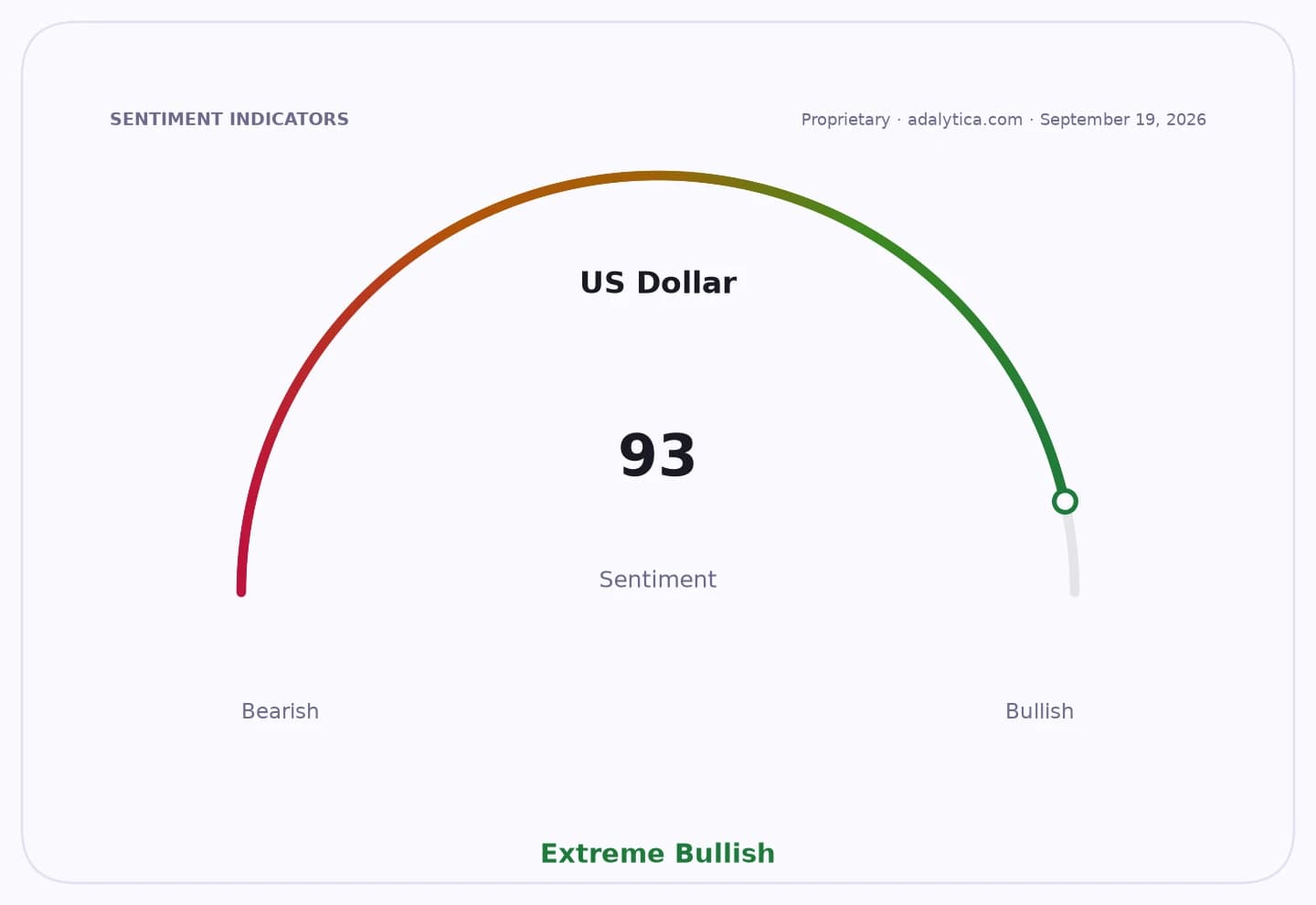
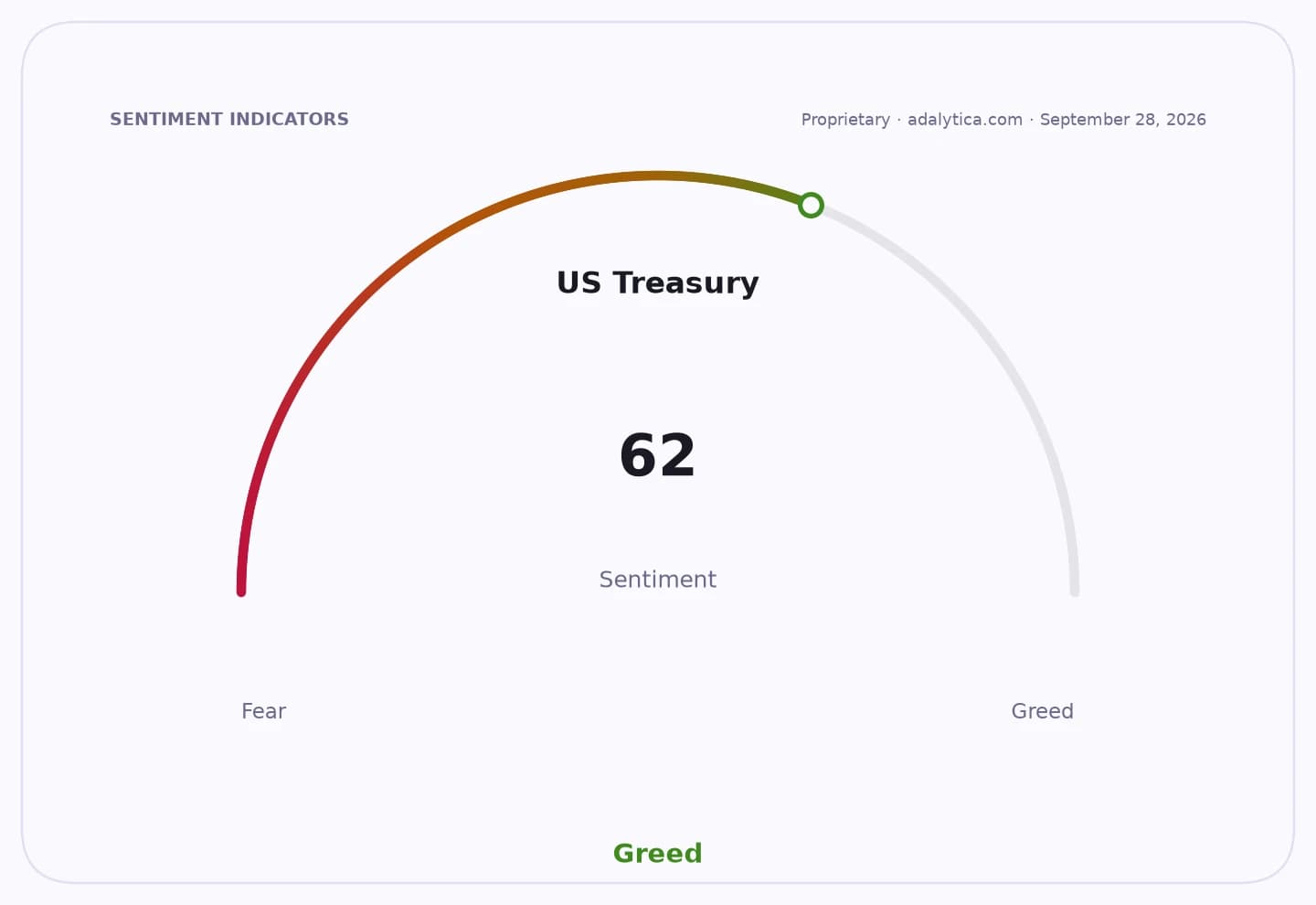
The Trump administration is weighing a push to export dollar-backed stablecoins through private-sector partnerships, a move aimed at reinforcing the dollar’s global reach and generating new demand for U.S. Treasuries.
U.S. to Promote Dollar Stablecoins Abroad
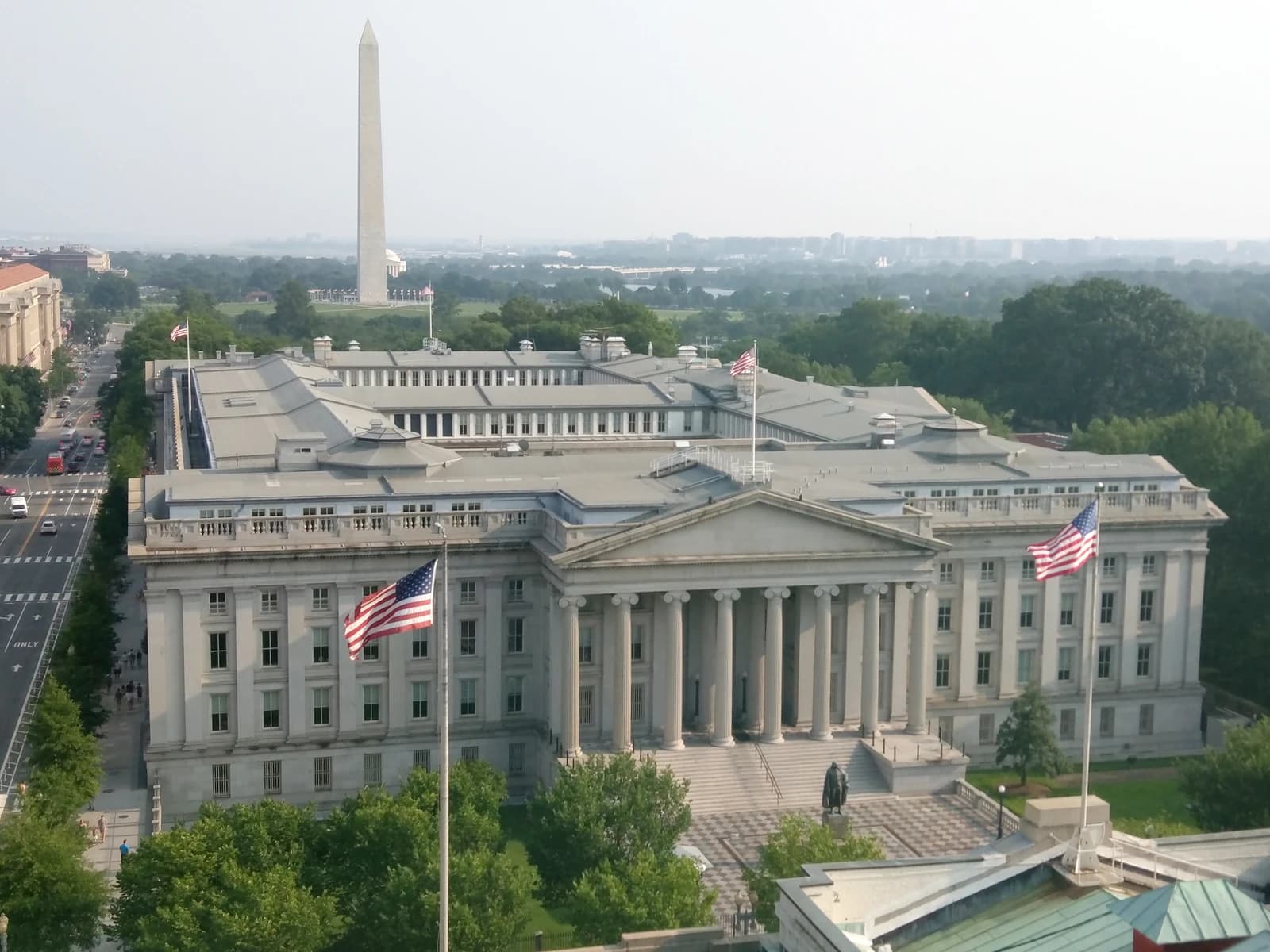
The plan would enlist the Treasury and State departments, along with the U.S. International Development Finance Corporation, to promote stablecoins such as Tether’s USDT and Circle’s USDC outside the United States, Bloomberg reported. Together, those two tokens account for almost 90% of the more than $292.49 billion stablecoin market, underscoring how concentrated the sector already is around dollar-linked assets.
Sentiment IndicatorsⓘProprietary · adalytica.com · October 1, 2026
This is a snapshot — live sentiment, awareness and momentum for 130+ markets update continuously in the dashboard.Open AlphaPulse
For Washington, the economic logic is clear: wider use of dollar stablecoins could extend the dollar’s role in cross-border payments while channeling reserve flows into Treasury bills and other short-dated government debt. Treasury Secretary Scott Bessent has framed stablecoins as a tool to defend dollar supremacy, noting the currency still features in nearly 90% of global foreign-exchange transactions.
For investors, the initiative points to a policy-backed demand story for both crypto infrastructure and U.S. government debt. Stablecoin issuers hold large pools of Treasury securities to back their tokens, so a broader global adoption of dollar-pegged coins could deepen the market for short-term U.S. debt even as it creates a new distribution channel for dollars outside the banking system.
The trade-off is that the same mechanism could pressure emerging-market currencies and financial systems. By allowing funds to move across blockchain rails without traditional banks, stablecoins can make capital flows harder for regulators to track and potentially accelerate capital flight during periods of stress, a risk long highlighted by the IMF and the Bank for International Settlements.
That tension explains why the administration is pairing the overseas push with domestic rulemaking. The Genius Act, signed in July 2025, set a regulatory framework for stablecoins, while the pending Clarity Act is meant to bring more structure to the broader crypto market. Banking groups have signaled conditional support, but only if Congress bars stablecoin issuers from paying interest or rewards that could pull deposits out of the banking system.
The next catalyst is legislative. If the White House can align the banking lobby, crypto issuers and Congress, stablecoins could become a policy tool for extending dollar dominance abroad — and a fresh source of demand for Treasuries at a time when Washington needs it.
| Entity | Gains | Losses |
|---|---|---|
| U.S. Treasury | ▲More demand for bills | ▼Less policy flexibility |
| Dollar stablecoins | ▲Wider global adoption | ▼Tighter regulation risk |
| Emerging markets | ▲Capital controls pressure | ▼Currency outflows |
| Banks | ▲Clearer rules | ▼Deposit competition |