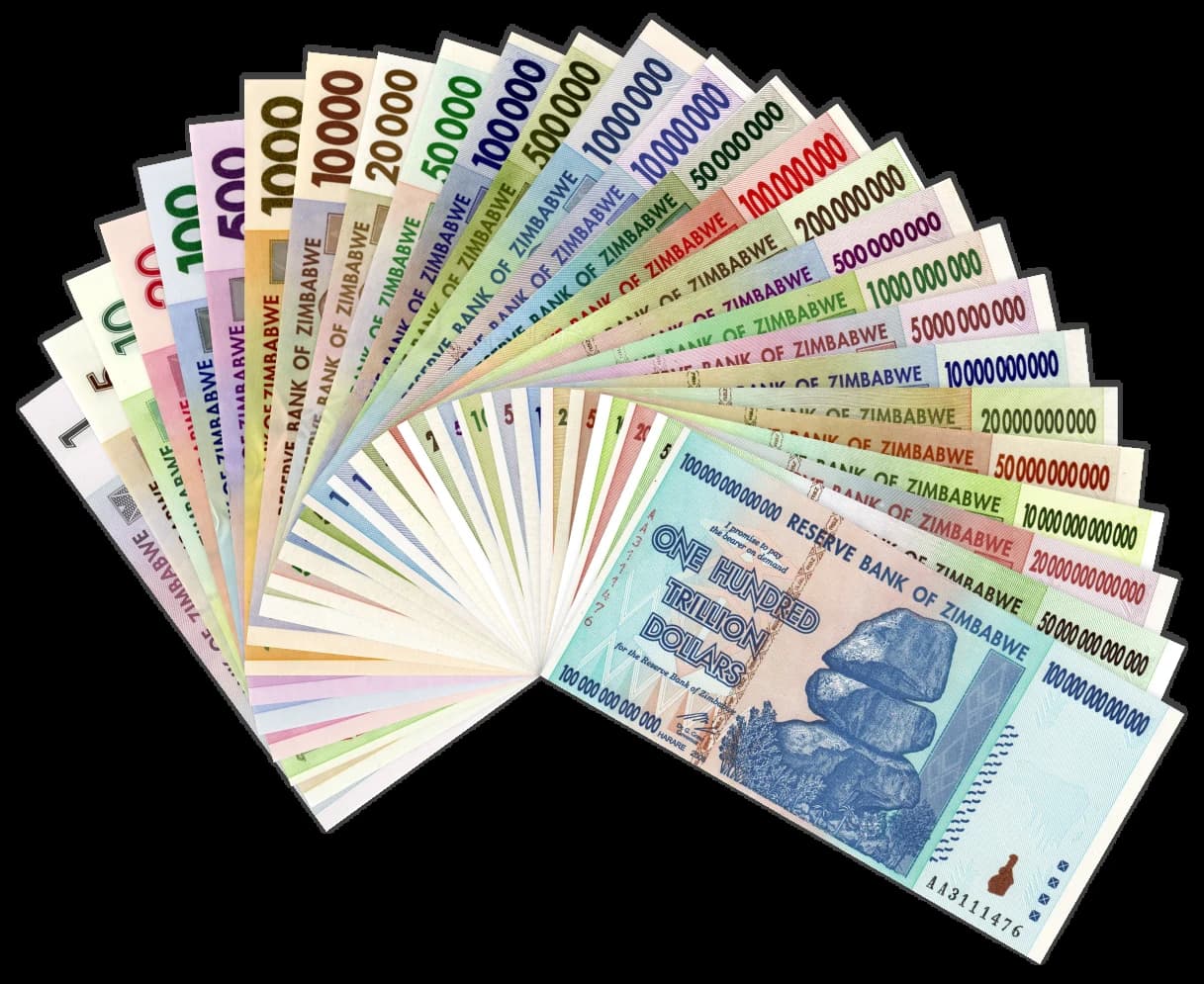
Latin America’s stablecoin boom is becoming less about which token wins and more about where the dollars behind those tokens sit, and that shift could reshape banking, regulation and capital flows across the region.
Latin America Stablecoin Boom Shifts Dollar Reserves
That is the economically important point buried inside Washington’s stablecoin debate. In the U.S., policymakers are focused on who may issue a token, what reserves must back it and how those reserves are supervised. In Latin America, the bigger question is what happens when a growing share of private dollar balances migrates offshore and sits in reserve accounts outside local financial systems.
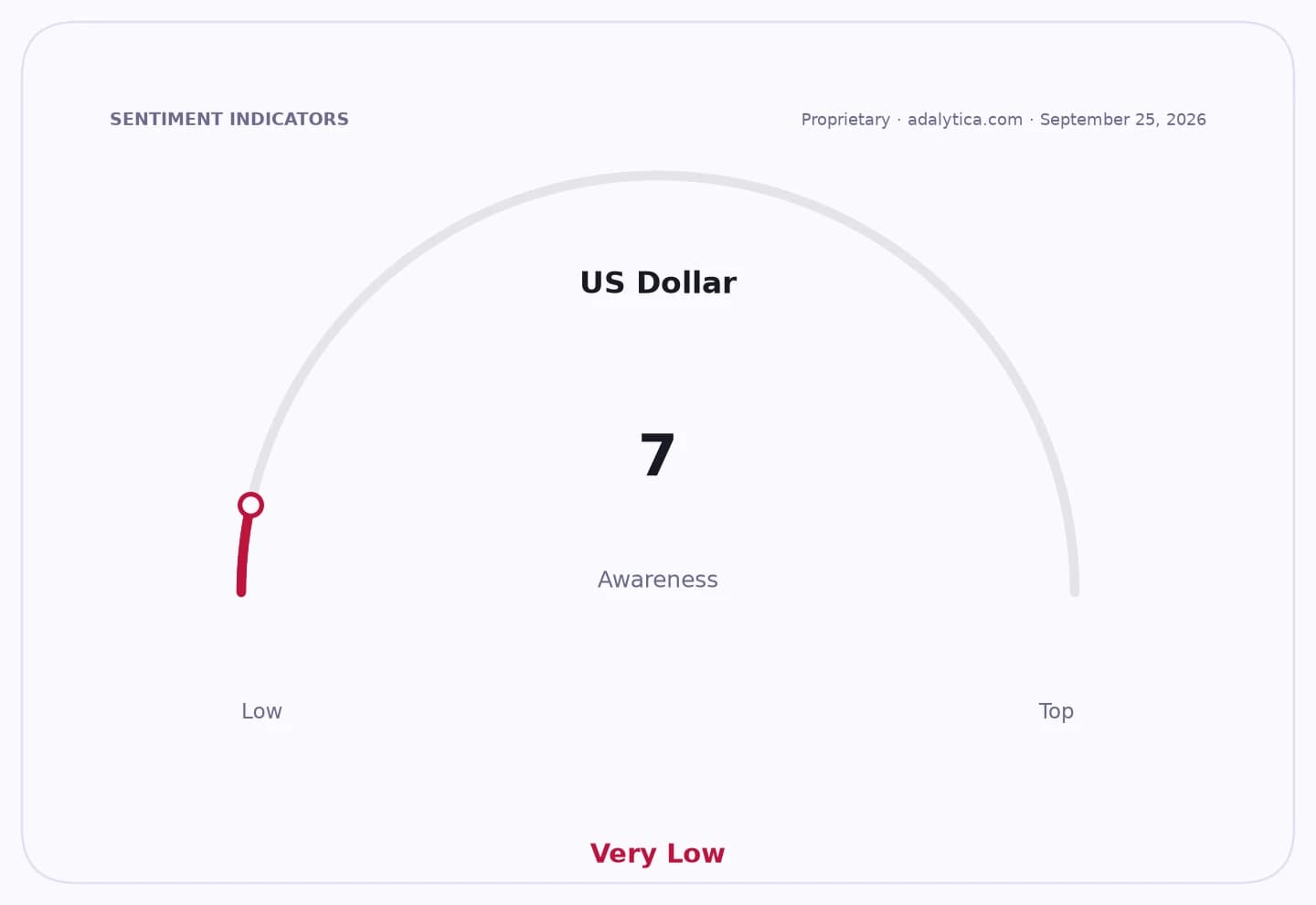
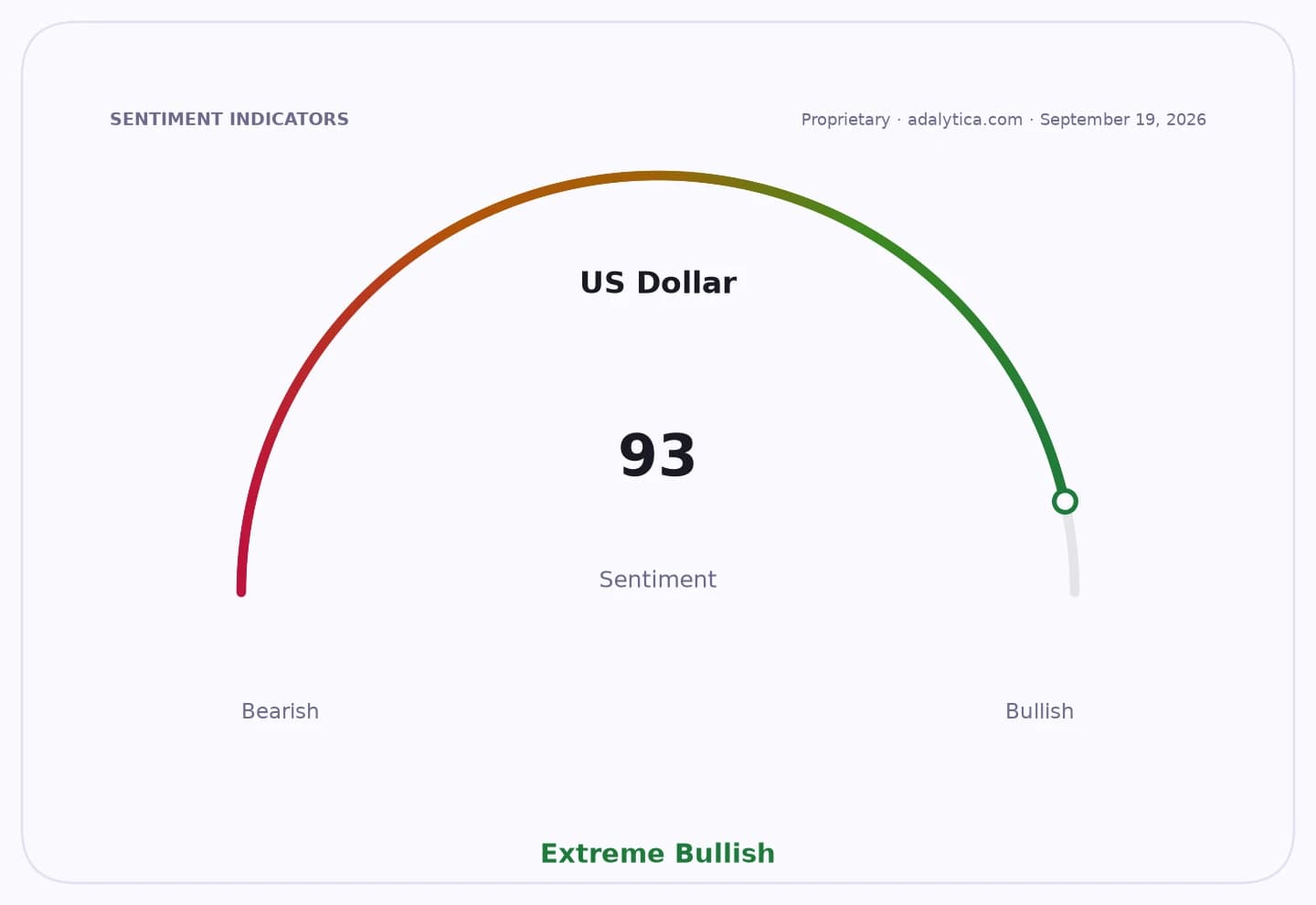
Sentiment IndicatorsⓘProprietary · adalytica.com · September 19, 2026
This is a snapshot — live sentiment, awareness and momentum for 130+ markets update continuously in the dashboard.Open AlphaPulse
For investors, that matters because stablecoins are no longer just a crypto use case. They are turning into a parallel dollar infrastructure in economies where local currencies are weak and inflation scars remain fresh. If those balances stay offshore, local banks, regulators and governments lose a chunk of the dollar liquidity they would otherwise hope to capture. If they are pulled onshore, the winners could include domestic banks, payment firms and regulated financial platforms that can intermediate those funds.
The scale of the trend is already visible. Argentina remains the most dollarized crypto market in the world by volume share, while in Brazil institutional stablecoin volume jumped from 5% of local crypto turnover in 2024 to 84% in 2025. Mexico’s Senate is also debating legislation around peso-backed stablecoins, underscoring how quickly the region is moving from experimentation to policy response.
The lesson is that Latin America is not simply importing U.S. dollar tokens; it is outsourcing part of its savings base to offshore structures. A dollar held in New York may look identical on a screen to one held in Buenos Aires or São Paulo, but the domestic policy consequences are not the same. One can support the local financial system in a crisis; the other cannot.
That difference is why regional governments are likely to push beyond the Washington framework and ask a more uncomfortable question: should stablecoin reserves be required to stay in-country? Kenya has already floated a rule that would require issuers to keep at least 30% of customer funds in local banks, and the logic is even stronger in Latin America, where hard currency is chronically scarce.
For long-term investors, the opportunity is in the rails, not the token labels. Banks, payment processors, exchanges and fintechs that can offer compliant dollar storage, transfer and yield products may gain share as this market matures. The risk is that governments respond with rules that reduce offshore liquidity or force issuers to restructure reserve management.
Either way, the direction is clear: stablecoins are evolving from a crypto product into a macro issue for Latin America. The region is likely to spend the next few years deciding whether those dollars remain a private offshore convenience or become part of its domestic financial system. Investors should keep that shift on their watchlist.
| Entity | Gains | Losses |
|---|---|---|
| Latin American banks | ▲New dollar deposits | ▼Offshore stablecoin platforms |
| Fintechs/payment firms | ▲Higher transaction volumes | ▼Cash-only incumbents |
| Local regulators/governments | ▲More control over liquidity | ▼Unregulated capital flight |
| Stablecoin holders | ▲Easier dollar access | ▼If reserve rules tighten |