Albania’s government has frozen increased salaries for judges and prosecutors, escalating a constitutional showdown that could affect judicial independence, public finances and the credibility of the country’s wider justice reform agenda.
Albania freezes judges’ pay in constitutional dispute
The Treasury’s refusal to process the higher August pay for magistrates is not a routine payroll dispute. It pits the finance ministry and the executive against the country’s judicial governance bodies, the High Judicial Council and the High Prosecutorial Council, after the two institutions set the new pay formula themselves following a Constitutional Court ruling. For investors and policy watchers, the standoff matters because it raises the risk of institutional friction in a country where rule-of-law reforms are central to governance, EU accession progress and confidence in state capacity.
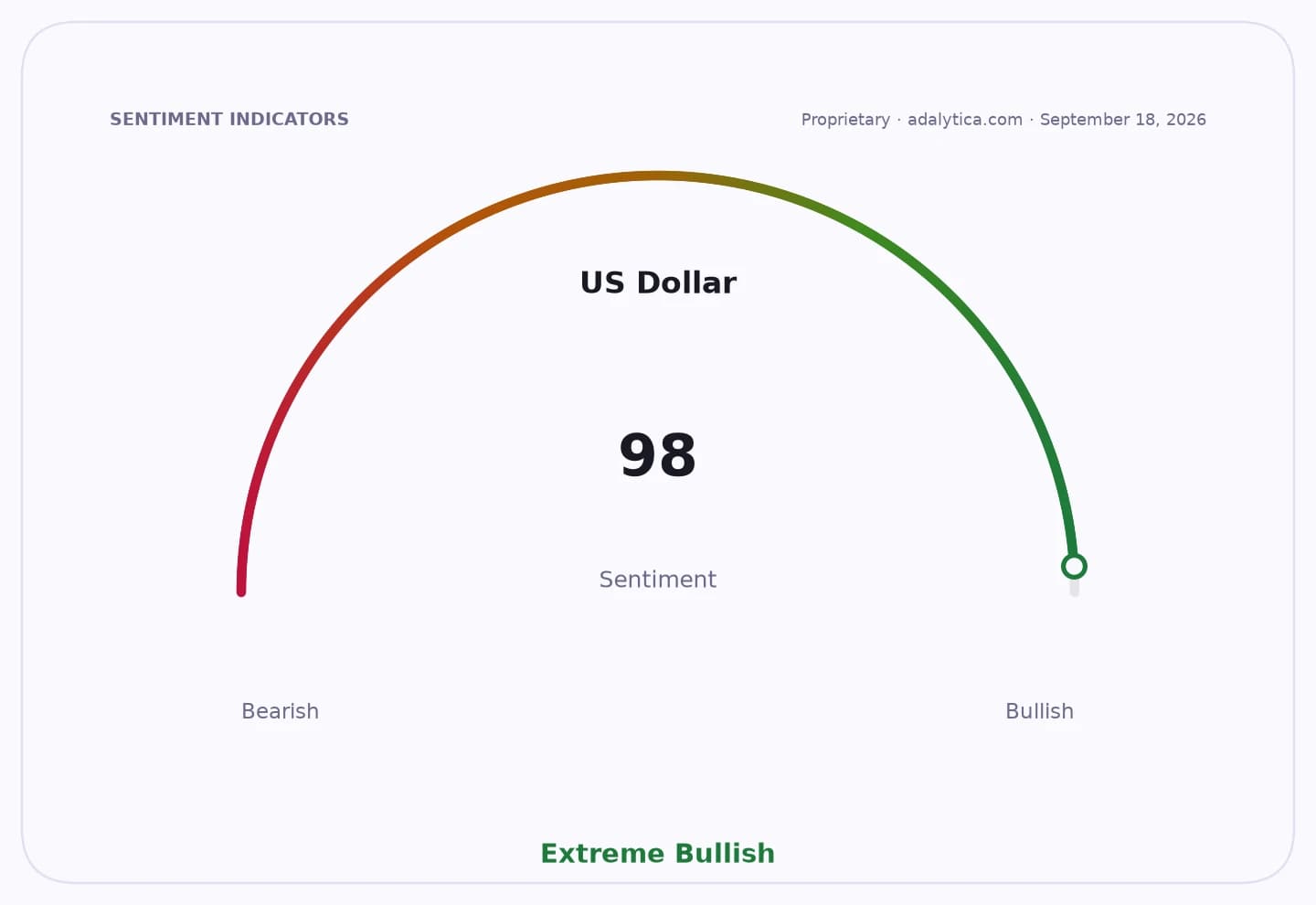
Sentiment IndicatorsⓘProprietary · adalytica.com · September 4, 2026
This is a snapshot — live sentiment, awareness and momentum for 130+ markets update continuously in the dashboard.Open AlphaPulse
The finance ministry says the issue is not a blockade but a verification process, arguing that salary changes must ultimately be approved by parliament and that the Treasury cannot execute a formula set by judicial bodies alone. It wants salaries recalculated using the old methodology until lawmakers formalize the change. The ministry also said it would make funds available once parliament approves the necessary amendments, an indication that the dispute is as much about legal authority as it is about cash.
The judiciary is pushing back hard. The High Judicial Council has demanded immediate payment of magistrates and other justice-sector staff, saying list payments for August 2026 were submitted and should be transferred without delay. Judicial associations have warned that any postponement undermines the normal functioning of the justice system and weakens respect for a Constitutional Court decision. That raises the stakes beyond wages: if the executive is seen to be able to slow-walk or reinterpret a binding court ruling, it could damage the predictability of institutions that investors rely on when pricing sovereign and legal risk.
Prime Minister Edi Rama has added political heat to the dispute, accusing the judicial councils of failing the justice reform and arguing that their pay demands are out of step with the rest of the public sector. His comments suggest the government is also managing a political message, not just a budget process, by framing the issue as institutional overreach rather than administrative delay.
For markets, the immediate direct impact is limited, but the broader implications are not. Albania does not face a currency or debt shock from this payroll dispute alone — euro-denominated assets and the lek are not reacting to a fiscal squeeze — but the episode is a reminder that governance risk can matter more than headline spending numbers in smaller emerging markets. Adalytica’s trade signal snapshot on the S&P 500 shows neutral U.S. risk appetite, while the dollar remains firm on a short-term technical basis; neither points to a broad external shock, leaving this as a domestic institutional story rather than a global market catalyst. Still, for international lenders, foreign investors and EU-facing reform monitors, the more relevant question is whether Albania can keep judicial reform credible if the state itself is split over who controls pay-setting authority.
The likely resolution now depends on either parliamentary action or a compromise that lets the Treasury release funds while preserving the government’s legal argument. If the dispute drags on, it could deepen tensions between the executive and judiciary, complicate reform implementation and reinforce concerns that Albania’s institutions are still negotiating the boundaries of power rather than operating within them.
| Entity | Gains | Losses |
|---|---|---|
| Government/Finance Ministry | ▲Budget control | ▼Reform credibility |
| Judiciary councils and magistrates | ▲Higher pay claim | ▼Payment timing |
| Parliament | ▲Final authority | ▼Pressure to act |
| Investors and lenders | ▲Clarified legal framework if resolved | ▼Institutional risk if stalemate persists |