Authorities will soon verify the savings of every household member before approving housing support and some welfare payments, a shift that makes bank balances and shared finances central to whether applicants qualify at all.
Czech housing support adds household savings checks
The change matters because it raises the bar for access to means-tested aid at a time when governments are under pressure to target support more precisely and cut leakage from social programs. It also pushes the welfare system deeper into household-level financial scrutiny, widening the gap between people who look cash-poor on paper and those whose broader family or flatshare finances may still disqualify them.
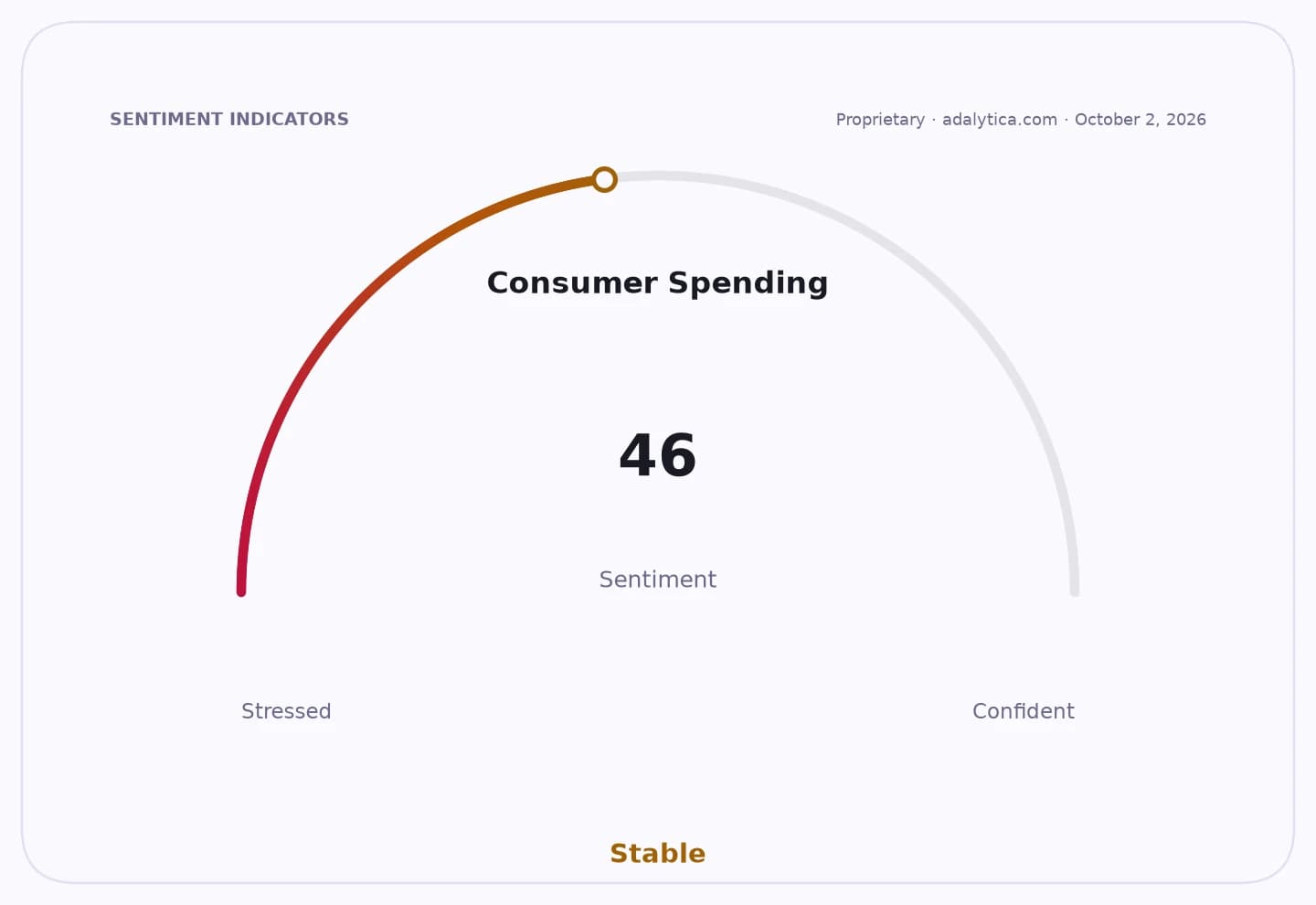
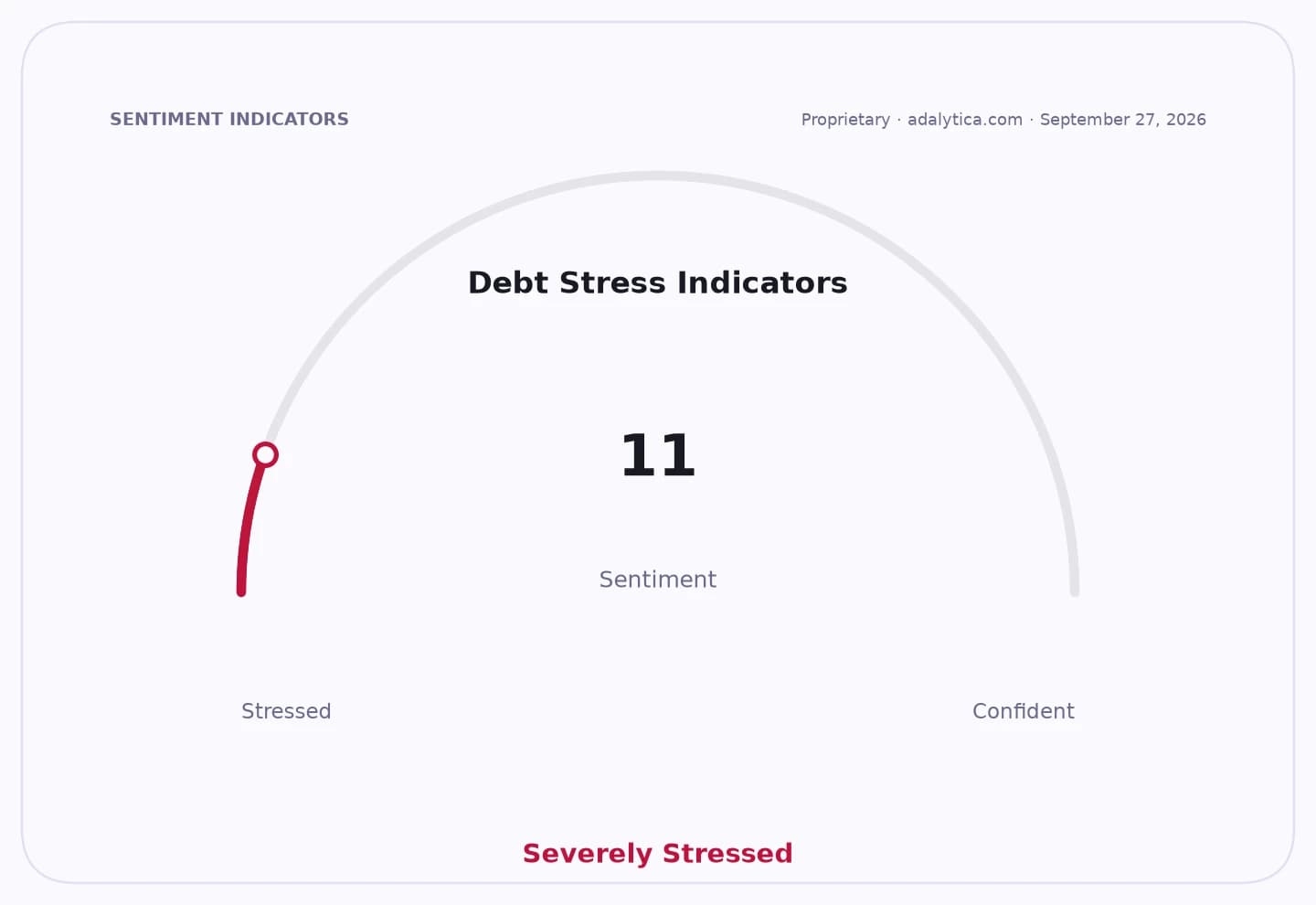
Sentiment IndicatorsⓘProprietary · adalytica.com · September 27, 2026
This is a snapshot — live sentiment, awareness and momentum for 130+ markets update continuously in the dashboard.Open AlphaPulse
Under the new housing support framework cited in the Czech report, savings are no longer assessed only on the individual applicant. The definition of a household extends beyond spouses and children to others sharing a home and costs, meaning an applicant can be judged on money held by a partner, roommate or other cohabitant. That can reduce eligibility even when the applicant’s own account looks modest.
For housing support, authorities compare actual household income with a notional income figure and then add savings, which are spread over the term of the tenancy. A household with 48,000 koruna saved on a two-year lease would have 2,000 koruna added to monthly income for the purpose of the calculation. The rule effectively turns savings into an income substitute, making cash reserves a direct factor in support entitlements.
The policy also gives the state more tools to challenge incomplete disclosures. Applicants who omit savings may be asked to provide them, and failure to do so can lead to rejection. Authorities can conduct on-site checks and, under the social assistance law, seek account balances and account numbers from banks for both applicants and household members. That means attempts to hide money by moving it between institutions, including foreign accounts and certain payment platforms, are less likely to work.
The economic logic is straightforward: tighter asset tests lower fiscal outlays and concentrate aid on households with the least resilience. But the trade-off is a greater compliance burden and a higher risk that some low-income households will miss out because they share accommodation with someone who has savings, or because they fail to navigate a ruleset that is more complex than a basic income test.
For investors, the story is less about direct market impact than about the broader policy direction. Governments across Europe are moving toward more granular verification of welfare claims, using bank data and household definitions to improve enforcement. That can support public finances over time, but it also highlights persistent strain in household budgets, which is relevant to lenders, consumer finance groups and retailers watching how much disposable income remains after housing costs.
The most immediate risk is political. More aggressive means-testing can improve efficiency, but it also invites criticism over privacy and fairness, especially where flatmates or extended households are treated as one economic unit. If implementation is cumbersome or viewed as punitive, the rules could become a flashpoint even as they are designed to save money.
| Entity | Gains | Losses |
|---|---|---|
| Government / welfare agencies | ▲Better targeting of aid | ▼Higher admin burden |
| Taxpayers / public finances | ▲Lower benefit leakage | ▼More enforcement costs |
| Applicants with no savings | ▲Better chance of eligibility | ▼Little change |
| Applicants with household savings | ▲Stricter asset test | ▼Lower or denied support |