Finland will raise its household deduction in 2027 and apply the higher benefit retroactively to all of 2026, in a move the government says is meant to support employment, spur renovation spending and give the economy a lift.
Finland raises household deduction for 2027 and 2026
The maximum deduction will rise to 2,100 euros from 1,600 euros, while the deduction rate increases to 40% from 35%, according to the government. The break applies to labor costs, not materials, and households can also apply for an adjusted tax card for 2026 to reflect the change and a lower deductible threshold for commuting expenses.
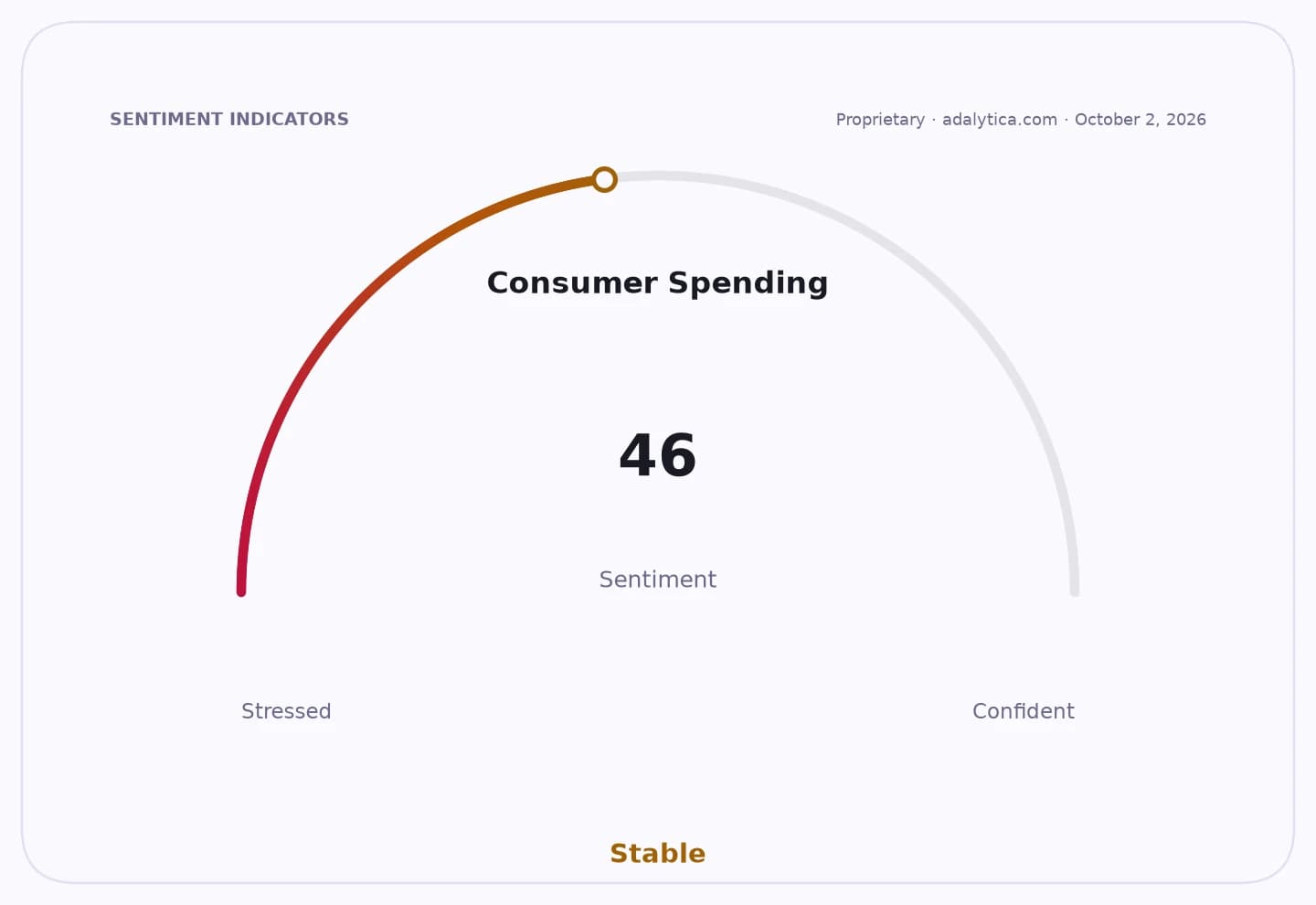
Sentiment IndicatorsⓘProprietary · adalytica.com · October 2, 2026
This is a snapshot — live sentiment, awareness and momentum for 130+ markets update continuously in the dashboard.Open AlphaPulse
The policy is designed to channel more private demand into services that are hard to outsource and often labor-intensive: home repairs, cleaning services and care work for older people. That makes it a small but direct fiscal stimulus for domestic employment at a time when policymakers are trying to support growth without a broad-based spending package.
Supporters say the deduction can also push more work out of the grey economy by making legal services cheaper. The Taxpayers’ Association backed the increase but said the system should have been made more generous and more stable, arguing households are put off when rules keep changing from one government to the next.
That criticism goes to the heart of the policy’s economic value. A larger deduction can improve take-up and strengthen demand for contractors, cleaners and home-care providers, but frequent revisions can dilute the effect by making households uncertain about what support will be in place when they decide to spend.
The broader tax package also includes a temporary extra deduction for replacing an old oil boiler with another heating system, such as geothermal energy, with a maximum benefit of 3,500 euros and a 60% deduction rate for labor costs. The commuting deduction self-risk will fall to 800 euros from 900 euros, and to as low as 150 euros for people who were unemployed or on parental leave during part of the year.
For investors, the main significance is indirect but relevant: the measure points to a Finnish government trying to shore up domestic demand and labor-market participation while balancing a strained fiscal backdrop. Companies tied to home improvement, cleaning, maintenance and elder care may see a modest tailwind, while the policy is likely to do little for material suppliers because the benefit excludes materials.
The next test is whether the higher deduction actually boosts usage enough to move the needle on hiring and household services, and whether the government keeps the rule stable long enough for consumers and businesses to plan around it.
| Entity | Gains | Losses |
|---|---|---|
| Finnish households | ▲Lower after-tax service costs | ▼Less certainty from rule changes |
| Home-service providers | ▲More demand for labor services | ▼Pressure to stay priced competitively |
| Finnish government | ▲Slight jobs and activity boost | ▼Lower tax revenue |
| Material sellers / suppliers | ▲Little direct benefit | ▼Miss out on deduction-driven demand |