Spanish families hoping to cut their tax bill for back-to-school spending need to keep more than just paper receipts: the real value of the deduction now depends on having a nominative invoice, a traceable payment and the right regional paperwork.
Spain school expense deductions need invoices and traceable payments
That matters economically because Spain does not offer a nationwide deduction for school expenses, leaving relief to the autonomous communities and making the benefit uneven, conditional and easy to lose. For households already facing the seasonal spike in September spending on books, uniforms, language classes, transport and school meals, the difference between a valid invoice and a simple cash till receipt can determine whether that outlay becomes a tax saving or a sunk cost.
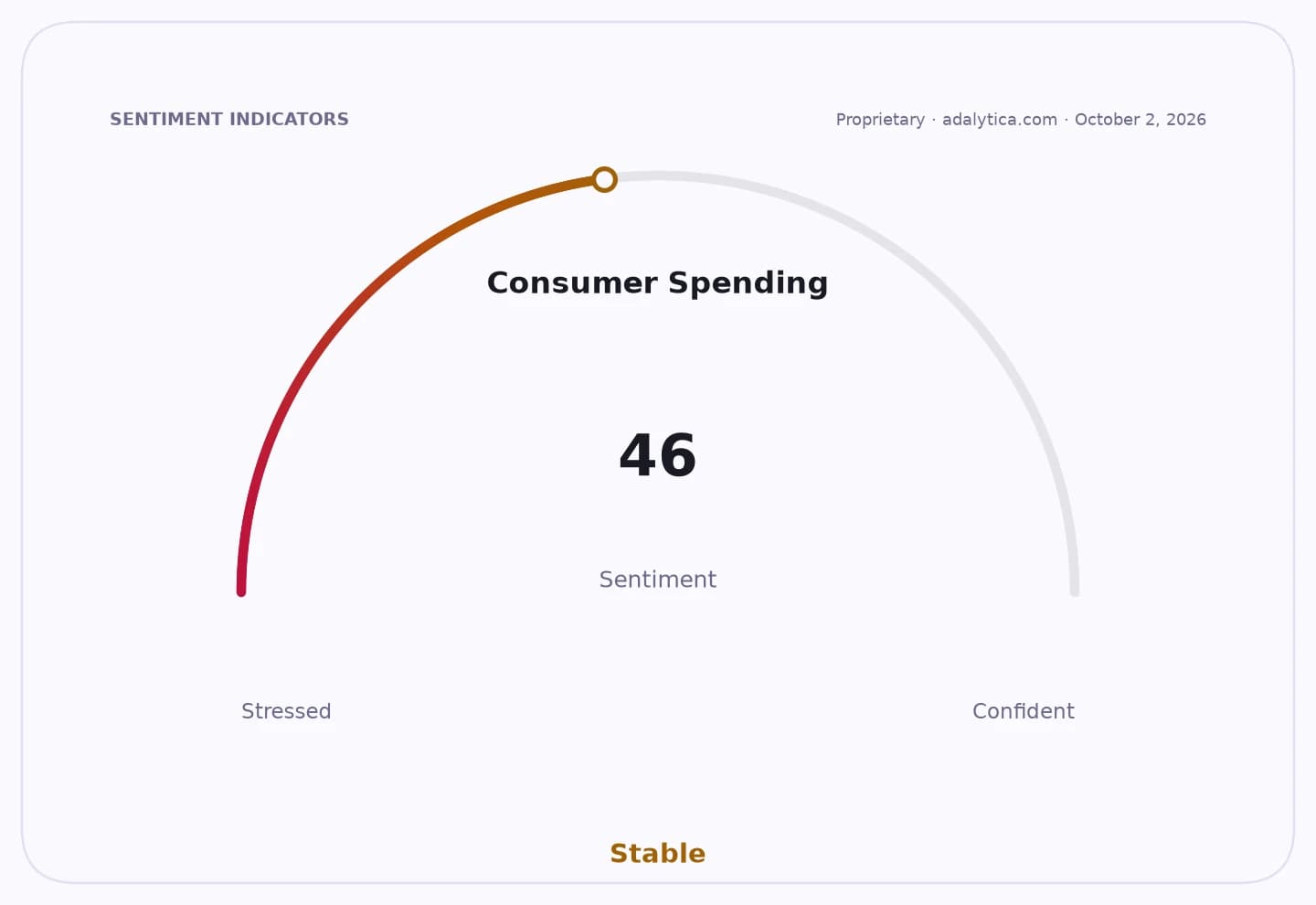
Sentiment IndicatorsⓘProprietary · adalytica.com · October 3, 2026
This is a snapshot — live sentiment, awareness and momentum for 130+ markets update continuously in the dashboard.Open AlphaPulse
The rules vary sharply by region. Madrid allows a 15% deduction on tuition at private non-concerted schools, 15% for language instruction and 5% for exclusive school clothing. Other regions, including Cantabria and Asturias, can allow deductions of up to 100% of textbook purchases within income limits, while Canarias includes transport, meals and remedial tutoring. That patchwork makes residency a material factor in after-tax household spending, and it turns compliance into a financial issue rather than a clerical one.
The key practical point for taxpayers is documentation. A generic store receipt is not enough if Hacienda asks for proof. The invoice must identify the parent or legal guardian, the retailer or school, the date, the itemized concepts and the VAT charged. Payments also generally need to be traceable through a bank card, transfer or nominative cheque; cash purchases are at higher risk of being rejected because they cannot be matched to a bank trail.
For investors, the story is less about the tax break itself than the spending it supports and the sectors that capture it. Education-related retailers, language academies, private schools and school transport providers all benefit when households can justify more formalized spending. But the policy also keeps demand fragmented and locally governed, which limits the scale of any nationwide consumer boost. The benefit is capped by income thresholds and reduced by grants or subsidies, so the cash return is often smaller than the sticker cost of schooling suggests.
The broader narrative is that Spanish back-to-school relief is becoming a documentation game. Families that keep full invoices and bank records for at least four years are likelier to capture the deduction; those that rely on cash tickets or incomplete paperwork may forfeit it. As September spending rolls through household budgets, the winners are the taxpayers and vendors that stay inside the audit trail, while the losers are anyone who treats the deduction as automatic.
| Entity | Gains | Losses |
|---|---|---|
| Families with full invoices | ▲Tax relief captured | ▼Missed deduction risk |
| Schools and academies | ▲Higher formal spending | ▼Cash-only transactions |
| Tax authorities | ▲Better traceability | ▼Fewer claims rejected |
| Cash buyers | ▲None | ▼Deduction eligibility |