A debt settled with a write-off, or quita, can close the account, but it does not clean the borrower’s credit record in Mexico and can restrict access to new financing for up to six years.
Mexico debt settlements stay on credit reports
That is the key message for consumers weighing whether to accept discounted settlements from banks or finance companies in 2026. The arrangement can provide immediate relief by reducing the amount owed, but regulators say the trade-off is a negative mark that remains visible to lenders in the Buró de Crédito and can follow the borrower for years.
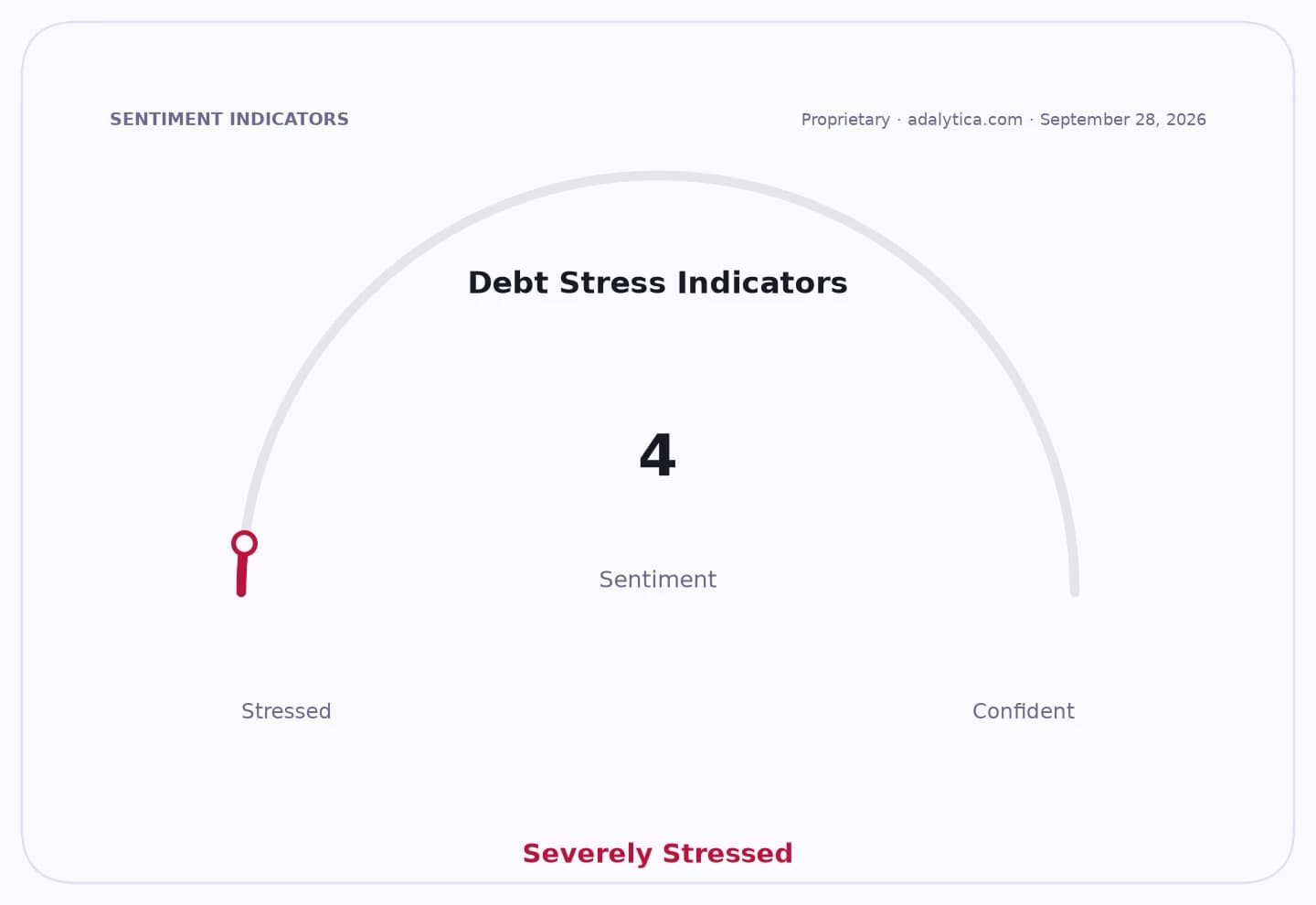
Sentiment IndicatorsⓘProprietary · adalytica.com · September 28, 2026
This is a snapshot — live sentiment, awareness and momentum for 130+ markets update continuously in the dashboard.Open AlphaPulse
Mexico’s Condusef says a write-off is a negotiated reduction in the original debt, not a deletion of the obligation from the credit file. The settlement is recorded in the special credit report, often with codes such as LC or LG that indicate a restructured account settled with a discount. In other words, the balance may be extinguished, but the way it was paid stays on record.
That distinction matters because lenders use those files to assess future applications. A borrower who settles a 50,000-peso debt for 25,000 pesos, for example, may eliminate the claim, but the report will still show that the loan was not repaid under its original terms. Condusef says the negative entry can stay in place for as long as six years for debts above 1,000 UDIS, assuming the account is not in litigation and there is no fraud.
For households already under strain, the timing is significant. U.S. unemployment was at 4.1% in August and is forecast at 4.02% for September, while consumer prices remain elevated relative to pre-pandemic levels. In that backdrop, debt workouts are becoming more relevant as borrowers struggle to keep up with obligations. The issue is not unique to Mexico: across credit markets, lenders are watching for signs that households are stretching repayment capacity and increasingly resorting to settlements rather than full repayment.
That creates a clear split for investors and creditors. Banks and finance companies can recover part of a delinquent exposure faster through a write-off than through prolonged collections or legal action, but they also crystallize losses and keep a visible stress marker on the borrower’s profile. For consumer lenders, the practical question is whether write-offs are a manageable tool for resolving bad accounts or an early warning that credit deterioration is broadening.
The stock market has already been parsing those risks. American Express, Capital One Financial and Synchrony Financial have seen their shares move lower in recent sessions, with the group’s technical indicators showing weakening momentum: each was trading below its 50-day moving average, while relative strength readings on the latest data pointed to oversold conditions. That pattern does not prove a credit cycle turn, but it underscores how quickly investors sell consumer lenders when repayment behavior softens.
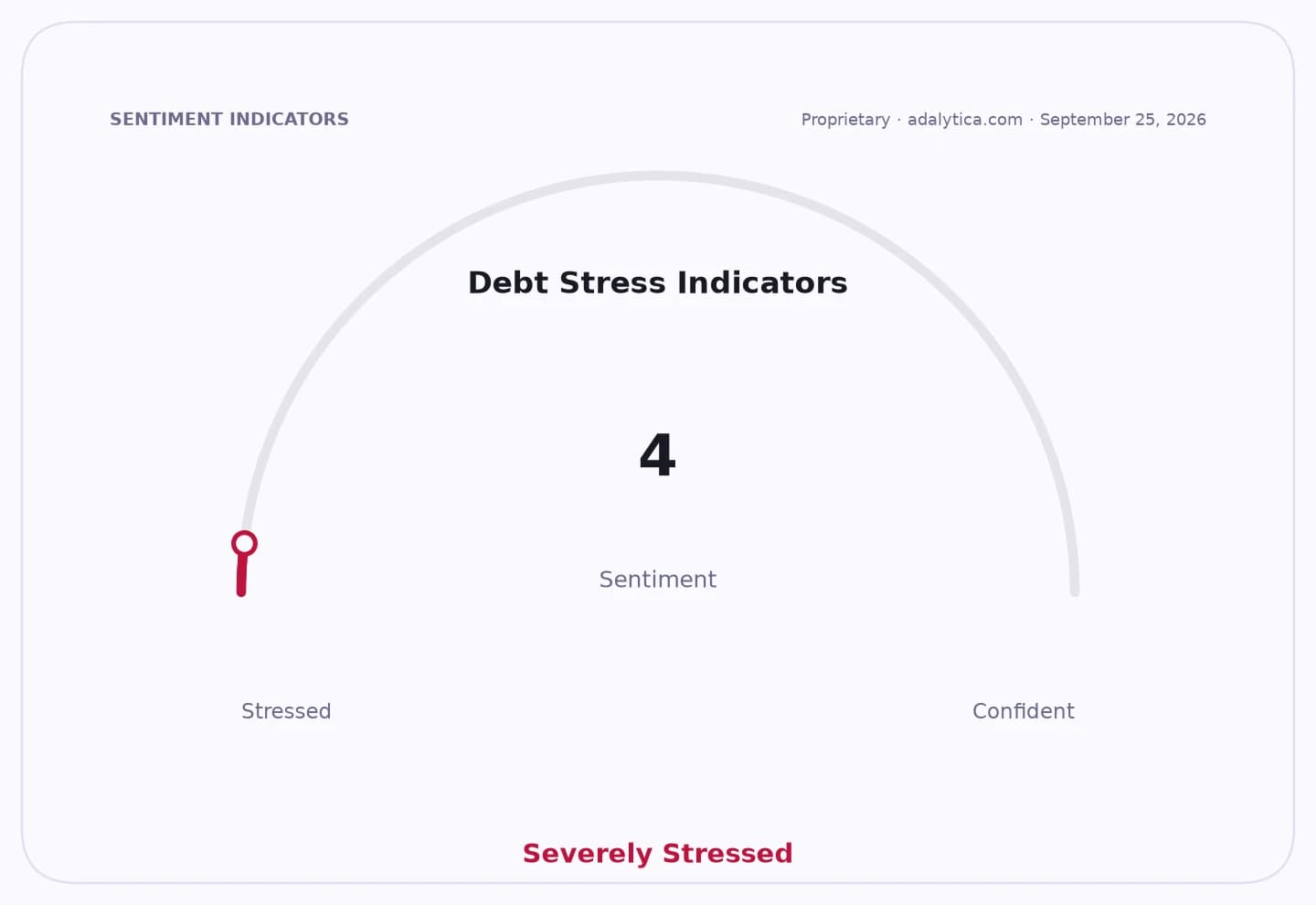
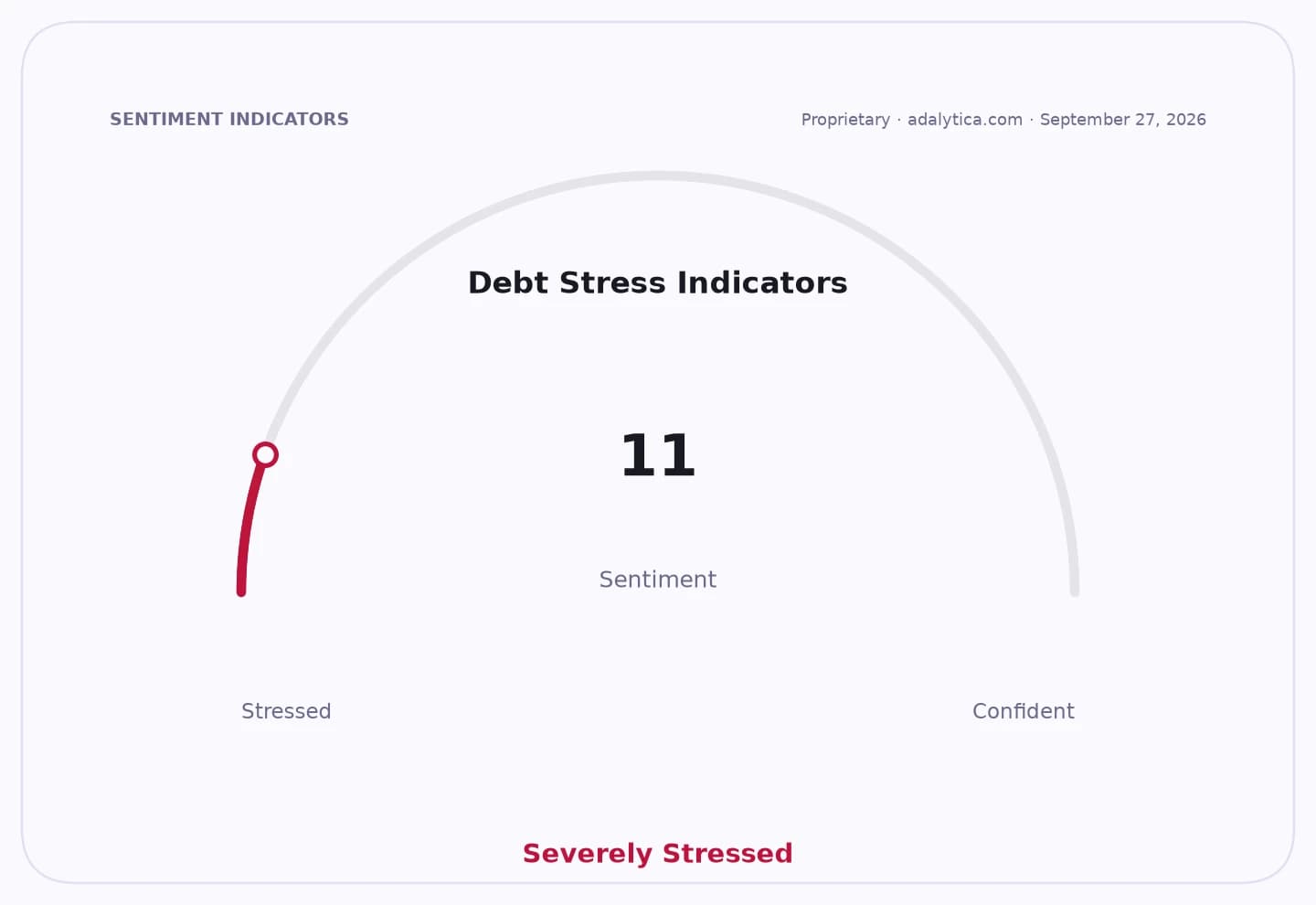
Adalytica’s Household Debt Stress Sentiment gauge, meanwhile, sits at 4.0 — labeled “Extreme Fear” — after a sharp 30-day drop, suggesting attention to borrowing stress is rising even as broader market sentiment remains more bullish. The contrast matters: investors may still be comfortable with equities overall, but debt-specific stress can pressure financial stocks long before it shows up in the wider market.
The regulatory message is also a warning against firms promising to “erase” a file for a fee. Condusef says no third party can legally delete a negative credit record simply because a borrower paid them. Only the credit institutions and information bureaus update the file according to the rules and the reported status of the account. That makes so-called credit repair shops a particular risk for consumers looking for a shortcut out of past defaults.
The practical investor takeaway is that write-offs are a settlement tool, not a clean slate. Borrowers get relief, lenders recover something, but the credit scar stays long enough to affect future borrowing decisions. For banks and consumer-finance names, the key monitor is whether these settlements remain isolated cases or become a more common end point for overstretched households.
| Entity | Gains | Losses |
|---|---|---|
| Borrowers with distressed debt | ▲Immediate balance relief | ▼Damaged credit file |
| Banks and lenders | ▲Faster recovery vs. litigation | ▼Losses on principal |
| Consumer finance stocks | ▲Less legal uncertainty | ▼More credit-risk pressure |
| Credit-repair vendors | ▲None | ▼Regulatory scrutiny |