WASHINGTON - The Trump administration is preparing to get tougher on student loan defaulters, a shift that would put more borrowers at risk of collections and wage garnishment even as Washington keeps fighting over how much federal debt should be forgiven.
Trump administration to tougher student loan defaulters
The move matters economically because student loans sit at the center of household balance sheets for millions of borrowers, and a harder line on delinquent accounts would pull more cash out of consumer spending and back into federal coffers. It also marks a policy pivot away from broad relief toward enforcement, raising the odds that borrowers with missed payments face faster escalation from late-stage delinquency to collections.
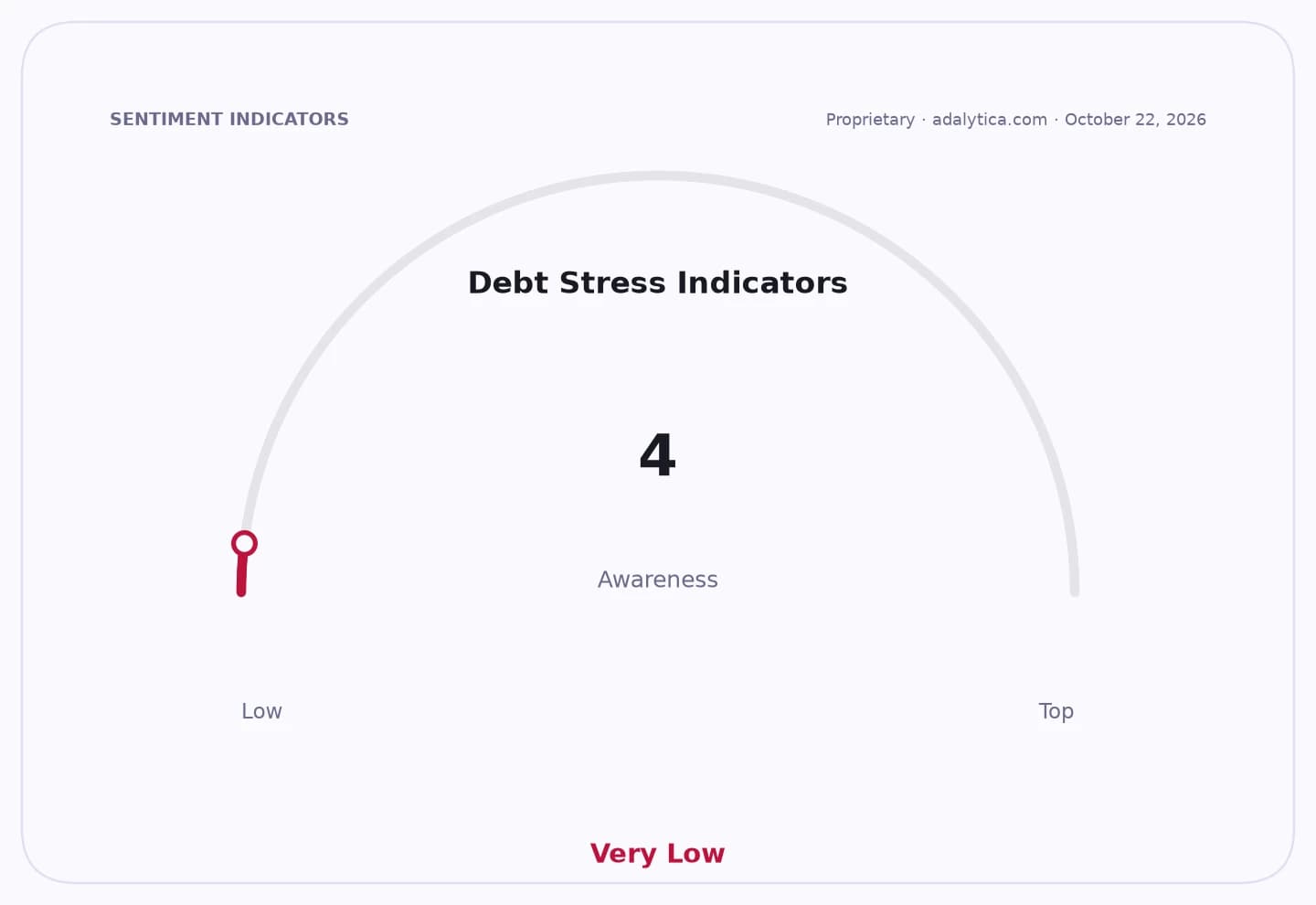
Sentiment IndicatorsⓘProprietary · adalytica.com · October 22, 2026
This is a snapshot — live sentiment, awareness and momentum for 130+ markets update continuously in the dashboard.Open AlphaPulse
That matters for investors because the student loan market touches banks, specialty lenders, servicers and consumer-credit names that earn fees or carry exposure tied to repayment behavior. Navient and Sallie Mae, which have long been linked to education lending and servicing, are among the companies most sensitive to changes in federal repayment policy, while Capital One and other consumer lenders watch for knock-on effects in credit quality and household strain.
The administration is considering hiring debt collectors to pursue borrowers in default, according to the report, a step that would signal a more aggressive recovery effort after years of political wrangling over student debt cancellation. The backdrop includes the broader legal and political battle over forgiveness programs, which have repeatedly moved through the courts and reshaped expectations for borrowers and lenders alike.
The economics are straightforward: more aggressive collections can improve near-term recoveries for the government, but they also increase pressure on households already dealing with higher living costs and, in some cases, stretched credit. That can weigh on discretionary spending and raise delinquency risk in other consumer credit products if borrowers reallocate income to service old loans.
For the student loan industry, the key risk is that enforcement and forgiveness remain in conflict, leaving lenders, servicers and borrowers to navigate a policy environment that can shift quickly with the next court ruling or White House decision. Investors will be watching for any formal collection plan, fresh legal challenges and signs that the crackdown changes repayment behavior or default rates across the federal portfolio.
| Entity | Gains | Losses |
|---|---|---|
| U.S. Treasury / Department of Education | ▲Higher collections | ▼Political backlash |
| Delinquent borrowers | ▲None | ▼Wage garnishment, fees |
| Student loan servicers / collectors | ▲More business | ▼Reputational risk |
| Consumer lenders / retailers | ▲Policy clarity if defaults fall | ▼Weaker borrower spending |