Finnish borrowers are increasingly using consolidation loans to cut monthly payments and shorten repayment periods, underscoring how higher debt costs are still squeezing household finances even as some consumers move to refinance away from expensive card and instalment debt.
Finnish borrowers cut payments with consolidation loans
The clearest sign of that pressure is the experience of one borrower, identified as Matti, whose car loan had grown into an expensive long-tail obligation: an original 8,000-euro loan would have cost 17,000 euros including interest, while credit card balances added further drag. By combining the debts through Etua’s loan-comparison platform, he cut the repayment term from just under 10 years to six and lowered the monthly instalment, while also securing a lower effective annual rate of 10.68%, below both his card debt and the car loan he was replacing.
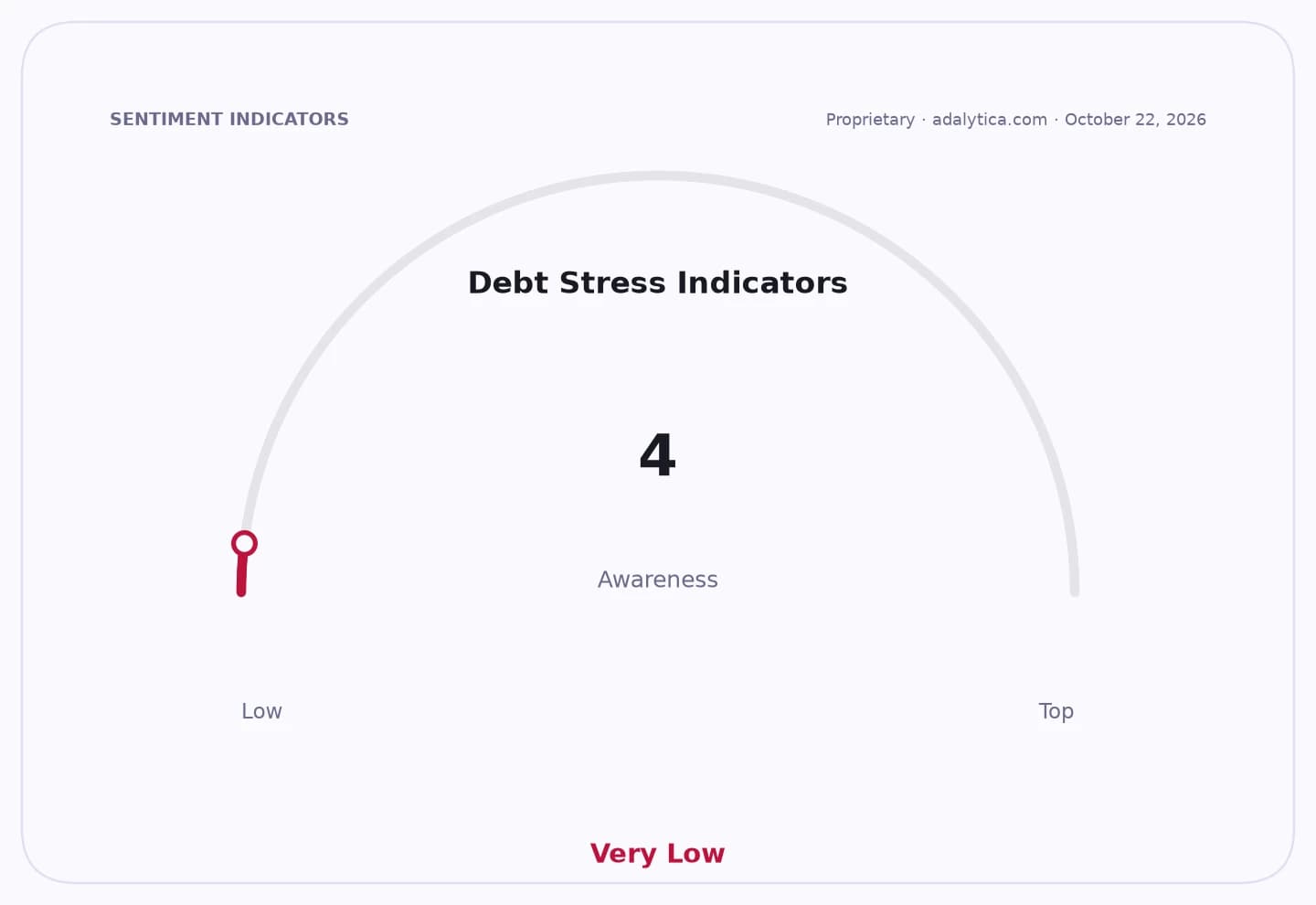
Sentiment IndicatorsⓘProprietary · adalytica.com · October 22, 2026
This is a snapshot — live sentiment, awareness and momentum for 130+ markets update continuously in the dashboard.Open AlphaPulse
That individual case fits a broader pattern in Etua’s February consolidation-loan data. Of customers who took out consolidation loans through the service, 87% reduced their monthly instalment, with the average payment falling by 208 euros. Nearly two-thirds cut at least 100 euros a month, and 29% reduced payments by at least 300 euros. The average effective annual rate on those loans was 12.08%, while only 29% of applicants received offers below 10%.
The economics are straightforward: consolidation does not erase debt, but it can improve cash flow and reduce the risk that high-cost revolving balances keep households trapped in a cycle of interest payments. For lenders and loan brokers, that means demand remains healthy for refinancing products that promise simplicity and lower monthly strain. For consumers, especially those carrying car finance, personal loans and credit card debt at double-digit rates, the appeal is immediate in a period when budgets remain tight.
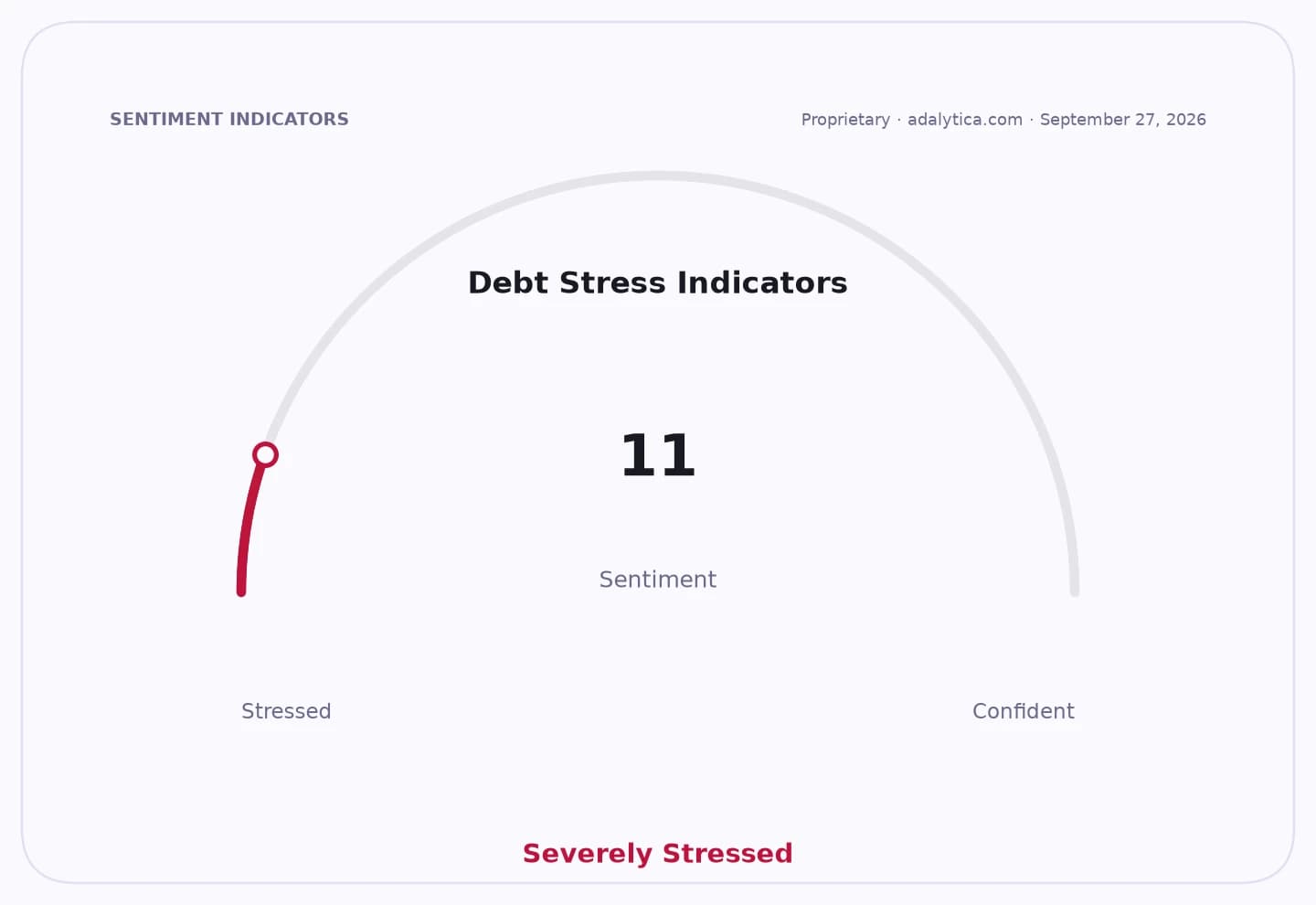
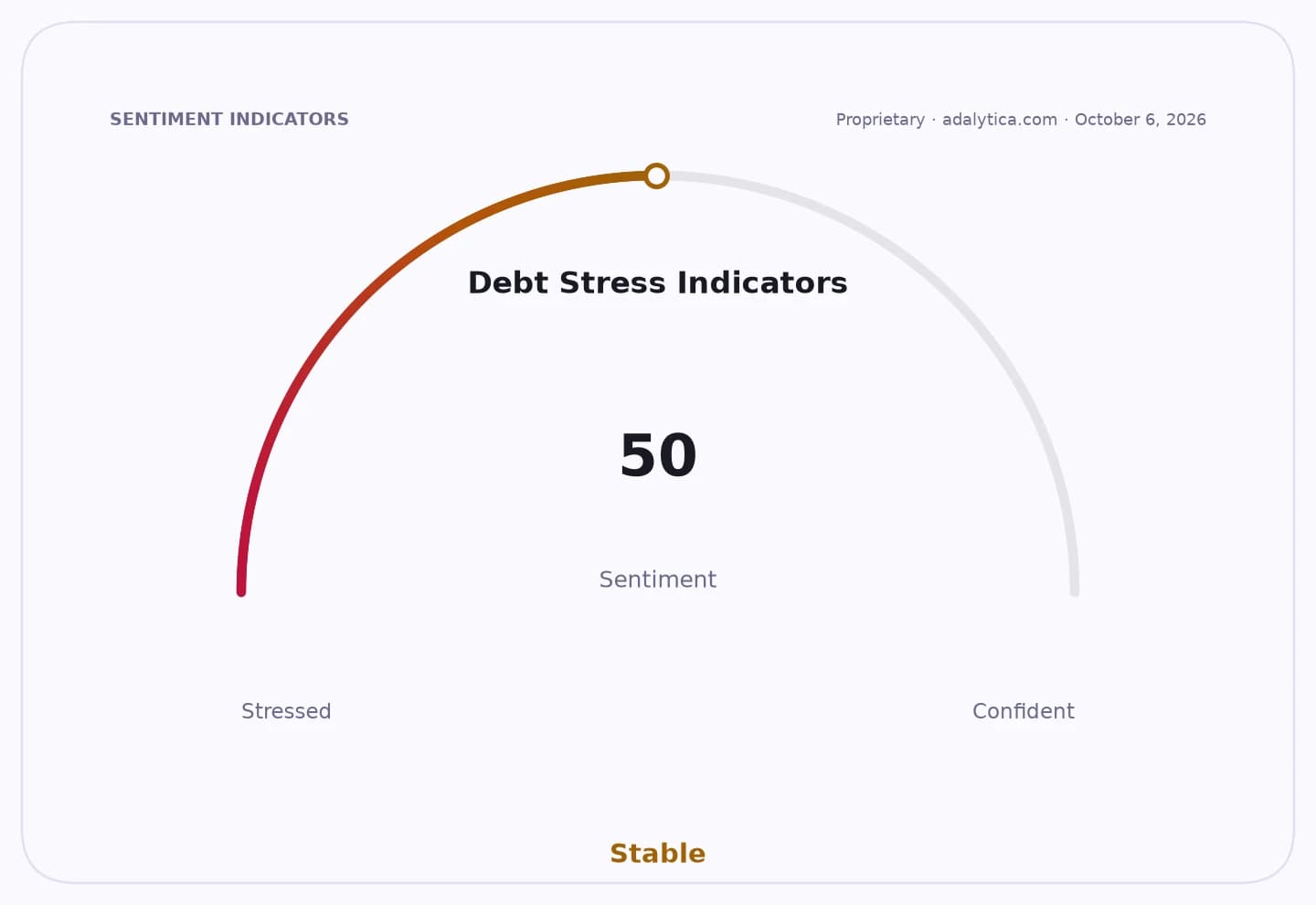
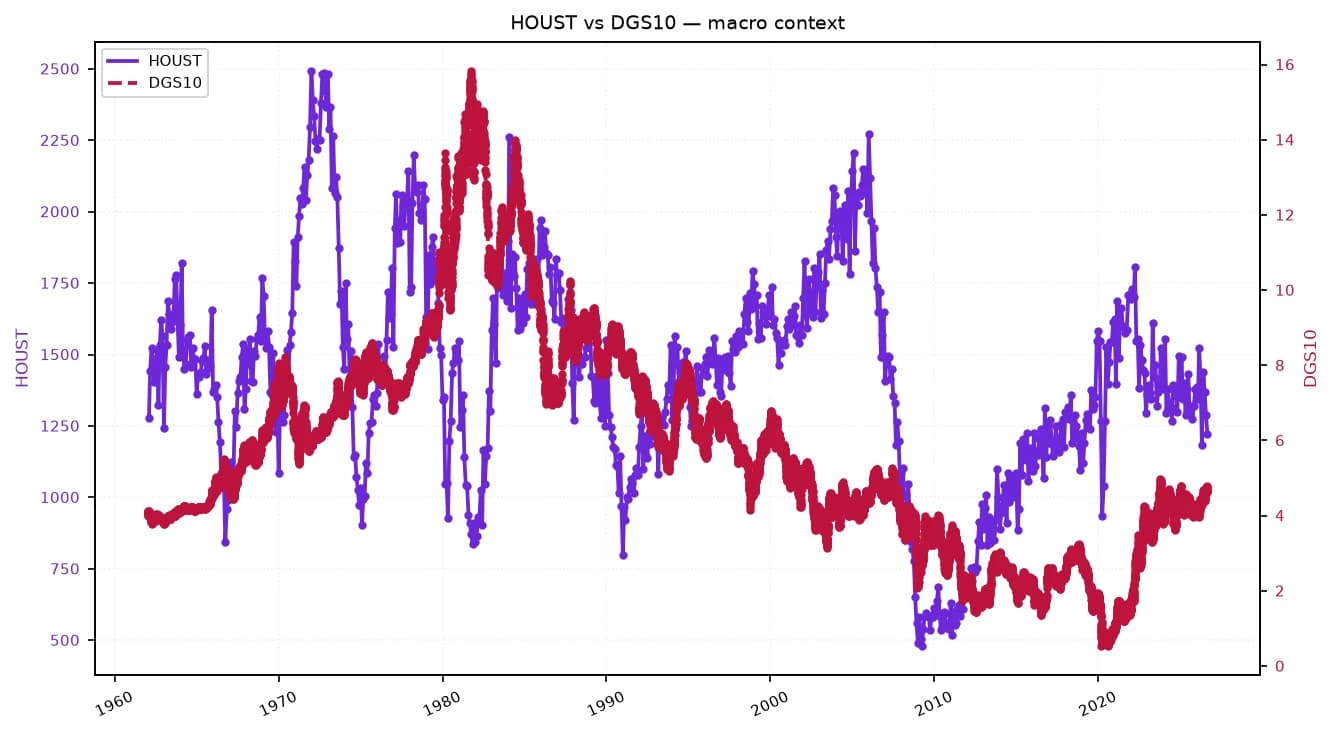
The backdrop also matters. The benchmark U.S. 10-year Treasury yield has been holding around 5.1%, a level that keeps global funding costs elevated and reinforces why expensive consumer credit remains a burden. Adalytica’s Household Debt Stress Sentiment gauge is also flashing elevated stress, with the latest reading at 79, suggesting pressure in consumer balance sheets remains high even as savings-related sentiment has improved. In that environment, borrowers are likely to keep searching for ways to refinance and reduce monthly outlays.
For investors, the trend points to continued activity in consumer-finance and loan-origination businesses that can attract rate-sensitive borrowers, but it also highlights the fragility of the household sector. Strong consolidation demand can boost volumes for comparison platforms and lenders, yet persistent use of debt reshuffling rather than outright deleveraging may also signal that many consumers are still one rate shock away from renewed distress.
The key watchpoint is whether household refinancing demand broadens beyond isolated cases into a sustained cycle of debt restructuring. If it does, consumer lenders may see steady origination opportunities; if not, the current appetite for consolidation may prove only a temporary pressure valve in a still-stretched household market.
| Entity | Gains | Losses |
|---|---|---|
| Borrowers with high-rate debt | ▲Lower monthly payments | ▼Long repayment burden |
| Etua and loan brokers | ▲Higher application volumes | ▼Pricing pressure on offers |
| Banks and consumer lenders | ▲New refinancing business | ▼Margin compression on cheaper loans |
| Credit card issuers and expensive car lenders | ▲— | ▼Lost high-interest balances |