When a mortgage starts swallowing more than 30% of monthly income, the risk is no longer just a bigger bill — it is a household cash-flow trap that can choke consumption and keep housing demand weak.
Mortgage Affordability Pressure Hits Housing Demand
That 30% threshold, highlighted by Indonesian financial planners and tied to guidance from the Financial Services Authority, is the key line borrowers should not cross if they want room for food, school fees and other essentials. For a worker earning Jakarta’s minimum wage of about 5.7 million rupiah a month, that means a home-loan installment of roughly 1.71 million rupiah at most. Go beyond that and the borrower is pushed into the choice regulators and advisers warn about most: stretch the tenor, find a cheaper home or increase income.
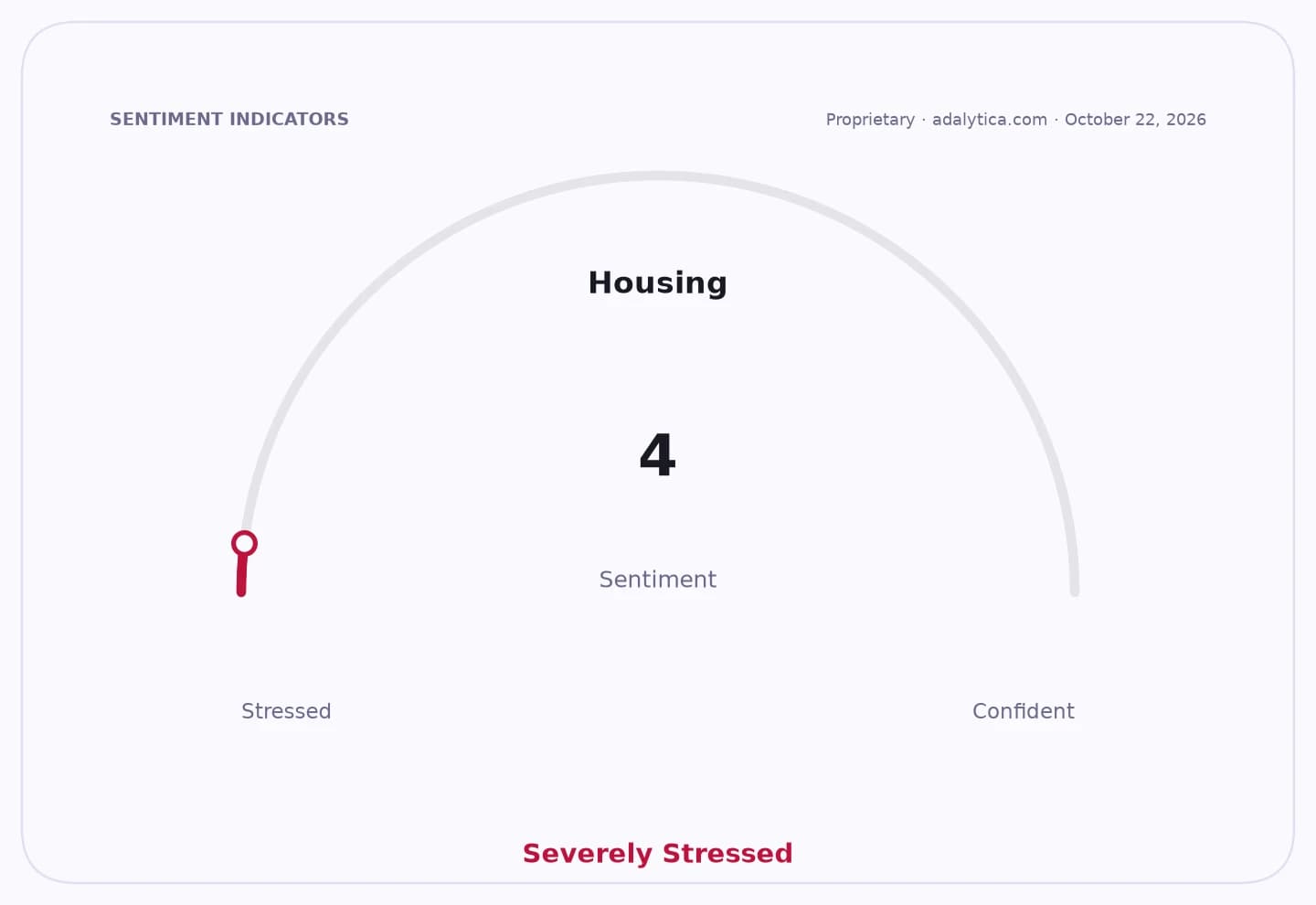
Sentiment IndicatorsⓘProprietary · adalytica.com · October 22, 2026
This is a snapshot — live sentiment, awareness and momentum for 130+ markets update continuously in the dashboard.Open AlphaPulse
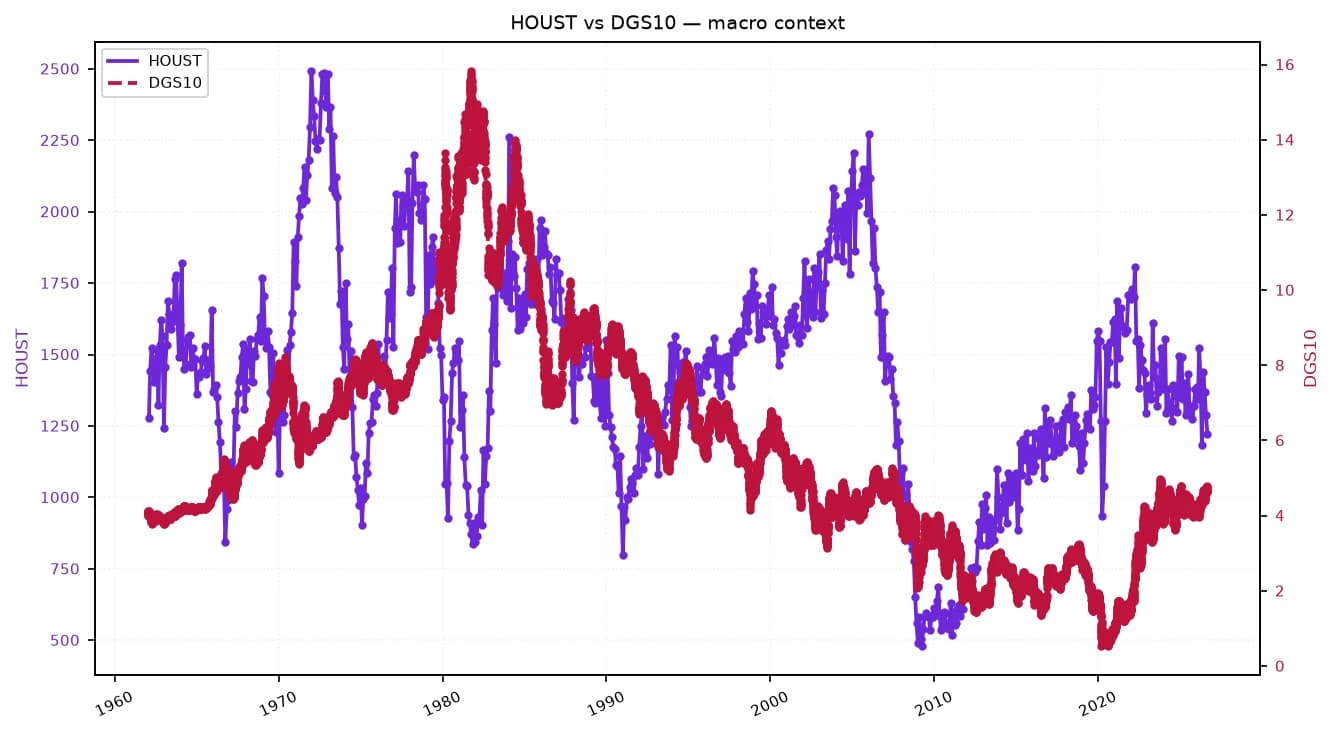
The reason this matters economically is simple. Housing is usually the biggest debt burden a family takes on, and once repayments absorb too much of pay, spending on everything else weakens. That is why affordability has become a macro problem, not just a personal finance tip. Across housing markets, high borrowing costs are already freezing transactions and keeping buyers on the sidelines. In the U.S., 10-year Treasury yields are still around 5.1%, a level that keeps mortgage rates elevated and supports the case for caution on leverage. Even with the bond market showing some stabilization, the bigger picture is unchanged: expensive money makes long-duration assets like homes harder to finance.
Investors should read this as another sign that housing demand recovery will remain selective. The U.S. 10-year Treasury ETF TLT has been trading around 81.64 after a volatile run, reflecting a market still wrestling with the path of rates. A sustained fall in yields would be the clearest relief valve for mortgage affordability, but until that happens, borrowers remain constrained and lenders face weaker origination volumes. That is exactly the kind of environment that favors the lowest-cost, most efficient mortgage platforms while pressuring marginal players that depend on rate-sensitive refinancing and stretched first-time buyers.
The setup also has broader implications for banks and housing-related equities. Tight affordability usually means fewer home purchases, slower loan growth and less momentum in housing-linked spending, from furnishings to renovations. For mortgage lenders such as Rocket Companies, the market is still pricing a difficult backdrop: the stock has slid to around $11.75 from above $20 late last year, underscoring how unforgiving this cycle has been for originators. If rates ease, those names can rebound sharply. If not, the 30% income rule will keep acting as a hard ceiling on how much housing demand can stretch.
The investable takeaway is straightforward: the market underestimates how long affordability pressure can suppress housing activity when rates stay high. For now, the trade is not to chase the first sign of a bottom in home demand, but to focus on the beneficiaries of a prolonged squeeze — disciplined lenders, rate-hedging instruments and eventually high-quality housing names that can survive until the cycle turns.
| Entity | Gains | Losses |
|---|---|---|
| Cautious borrowers | ▲Lower default risk | ▼Smaller home budget |
| Mortgage lenders | ▲Better loan quality | ▼Weaker origination volume |
| Housing buyers | ▲Financial flexibility | ▼Delayed homeownership |
| Rate-sensitive home stocks | ▲Relief if yields fall | ▼Pressure while rates stay high |