When a borrower misses debt payments, banks can move to enforce collateral, accelerate repayment and pursue other legal claims, a framework that matters more now as rising mortgage rates and repayment stress strain housing finance.
Banks, Mortgage Stress, and Creditor Rights
The issue is not just legal theory. As repayment pressure builds across mortgage programs, lenders need clear remedies to protect loan books, preserve collateral value and limit losses if borrowers default. For investors, that directly affects credit quality, loss severity and earnings visibility at banks and mortgage lenders exposed to housing.
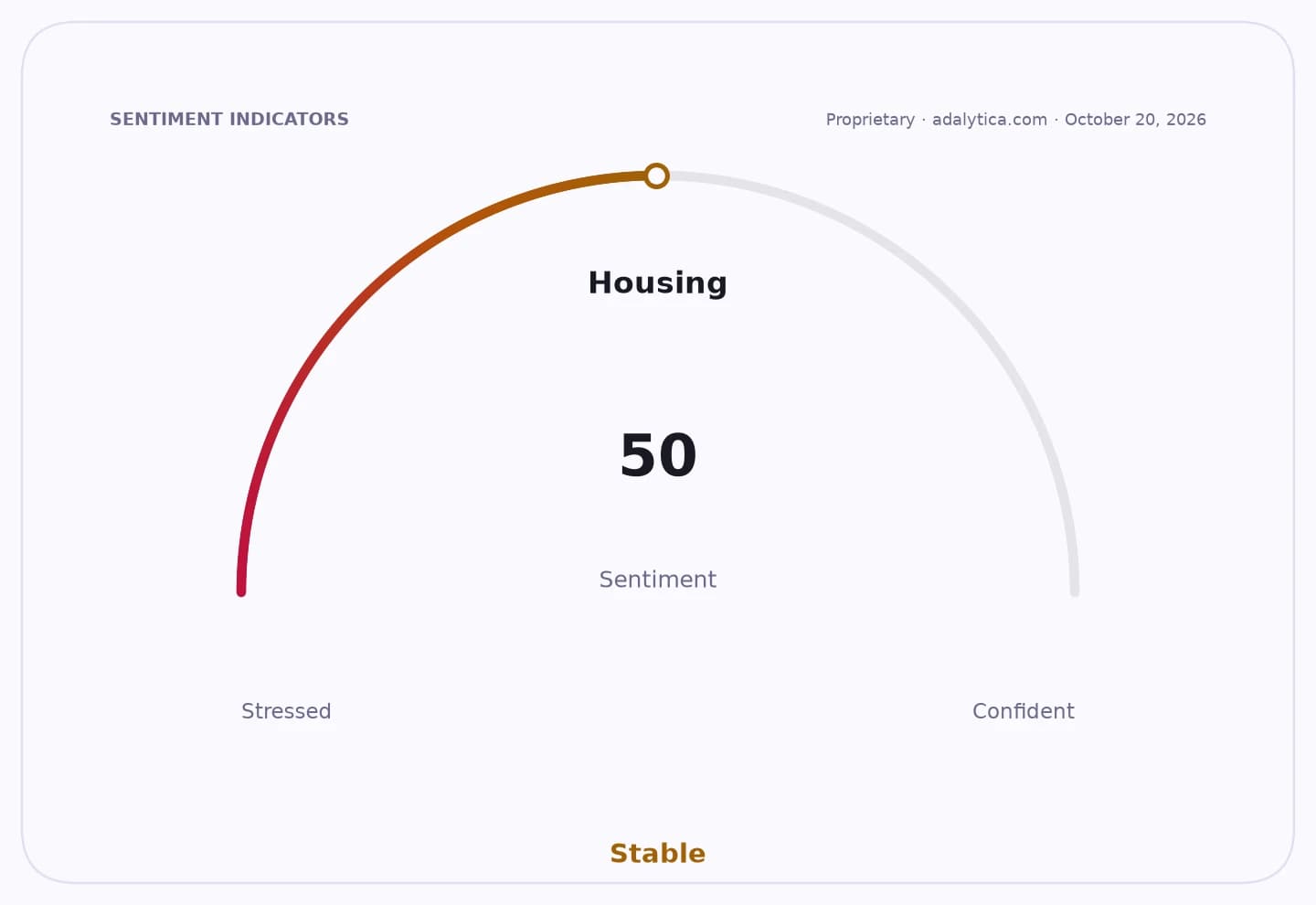
Sentiment IndicatorsⓘProprietary · adalytica.com · October 20, 2026
This is a snapshot — live sentiment, awareness and momentum for 130+ markets update continuously in the dashboard.Open AlphaPulse
The backdrop is a tougher mortgage market. Banks are still booking new insurance contracts through their branches even as higher borrowing costs make monthly payments harder to absorb. In Kazakhstan, Family Bank has approved a second tranche of 20 billion tenge for its Umay mortgage program, while Kyrgyzstan is expanding mortgage compensation for military and law enforcement personnel.
Those support measures point to a broader policy response: governments and lenders are trying to keep housing affordable without letting arrears destabilize balance sheets. But they also underscore why creditor rights matter. When repayment breaks down, the ability to seize collateral, demand immediate payment or take legal action becomes central to how much value a bank can recover.
HOUST vs UNRATE — macro contextadalytica.com
Explore this data interactively — full history, time series and cross-market comparisons.Open AlphaPulse
That matters for the housing-finance trade as well. U.S. homebuilder and mortgage-related ETFs have been volatile, with XHB recently trading at $96.22, below its 50-day moving average of $99.78, while ITB ended at $87.63 versus a 50-day average of $90.60. Regional-bank ETF KRE closed at $70.62, still near its 200-day average but well below recent highs, showing how sensitive the sector remains to housing and credit stress.
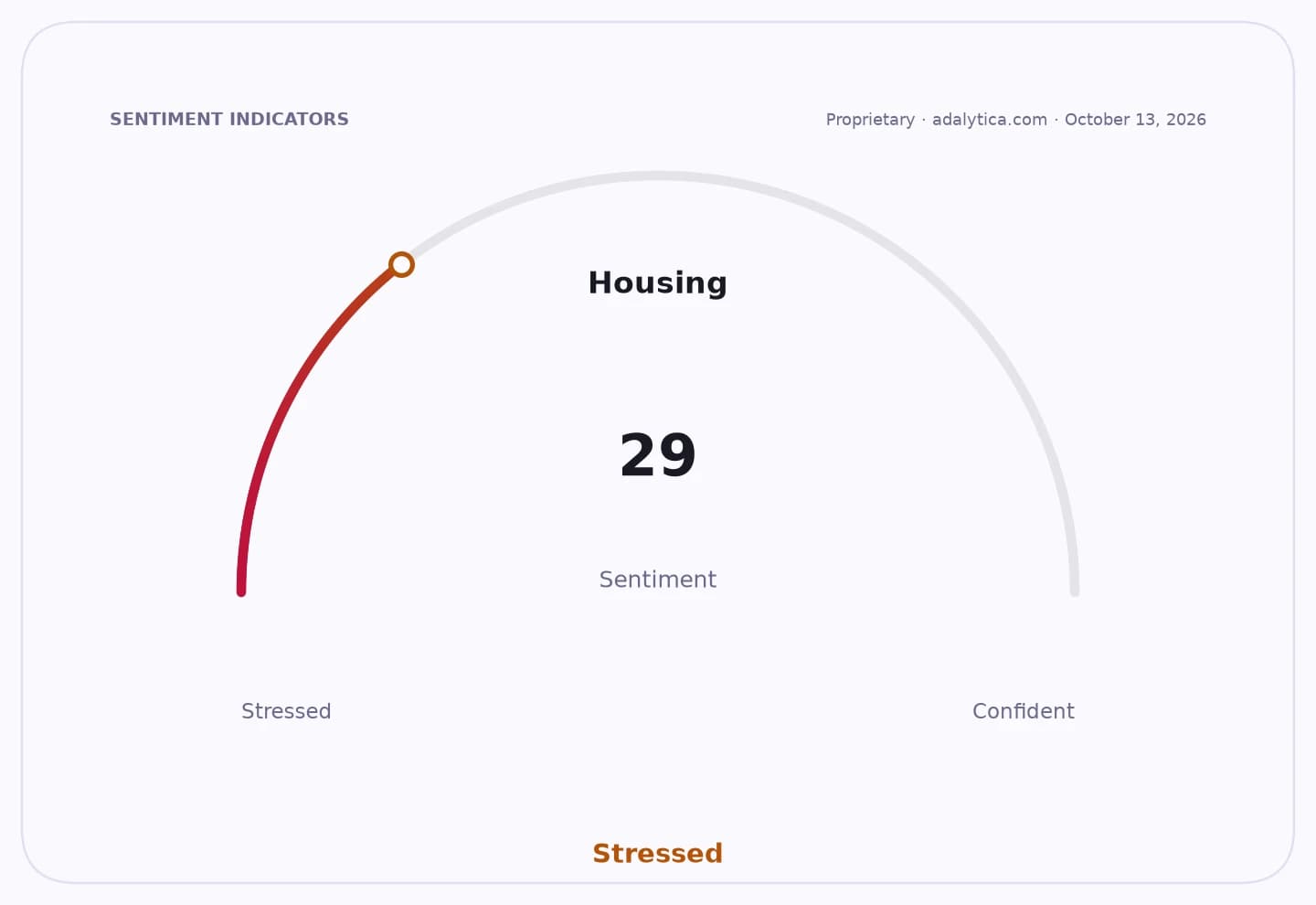
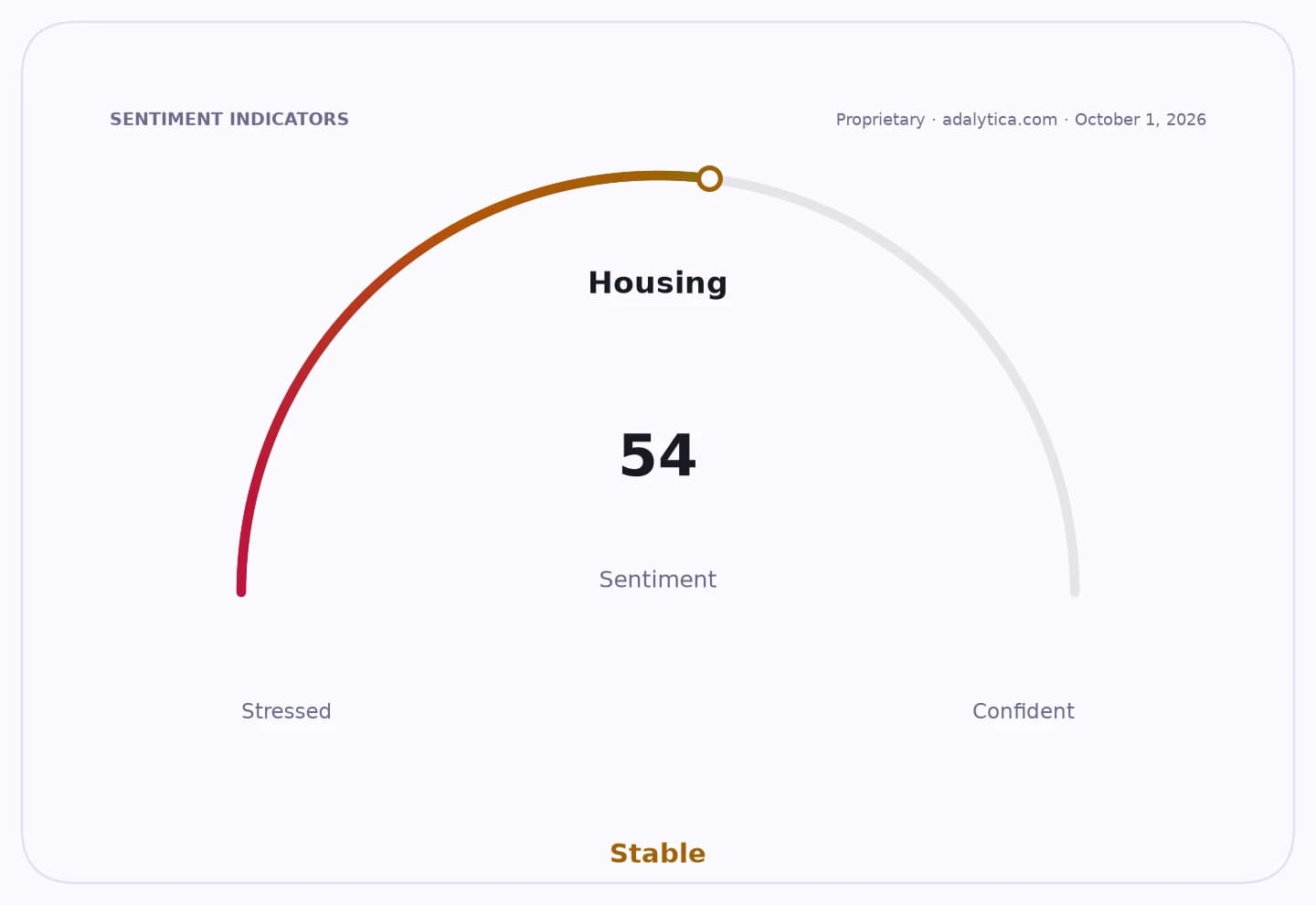
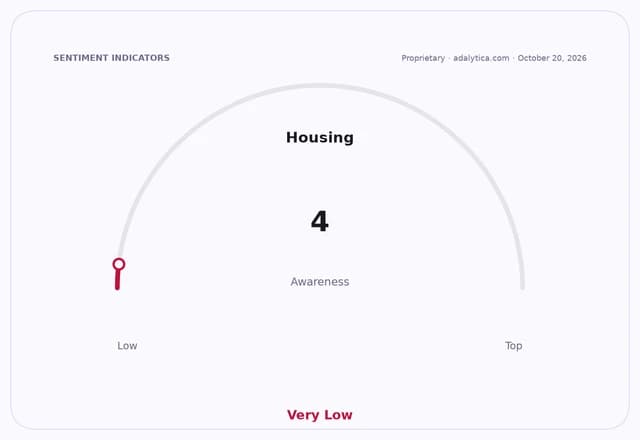
Macro conditions are not offering much relief. U.S. unemployment is running at 4.2%, the fed funds rate is 3.75% and CPI sentiment on Adalytica’s gauge has fallen to 18, labeled fear, suggesting investors are still wary of the inflation-and-rates mix that keeps mortgage affordability tight. Housing and rent inflation sentiment is neutral at 50, but awareness remains extremely low, implying the market is not yet pricing a clean easing in housing pressure.
For banks, the key question is whether repayment stress turns into losses or stays manageable through restructuring, collection and collateral enforcement. For borrowers, the message is simpler: default now carries clearer and faster legal consequences, and that will shape how lenders price risk, set terms and allocate capital in the next round of mortgage lending.
| Entity | Gains | Losses |
|---|---|---|
| Banks / lenders | ▲stronger recovery rights | ▼borrowers in default |
| Mortgage investors | ▲clearer loss protection | ▼weaker collateral values |
| Housing borrowers | ▲repayment support programs | ▼higher debt stress |
| Homebuilder and mortgage ETFs | ▲eventual policy support | ▼rate-driven volatility |