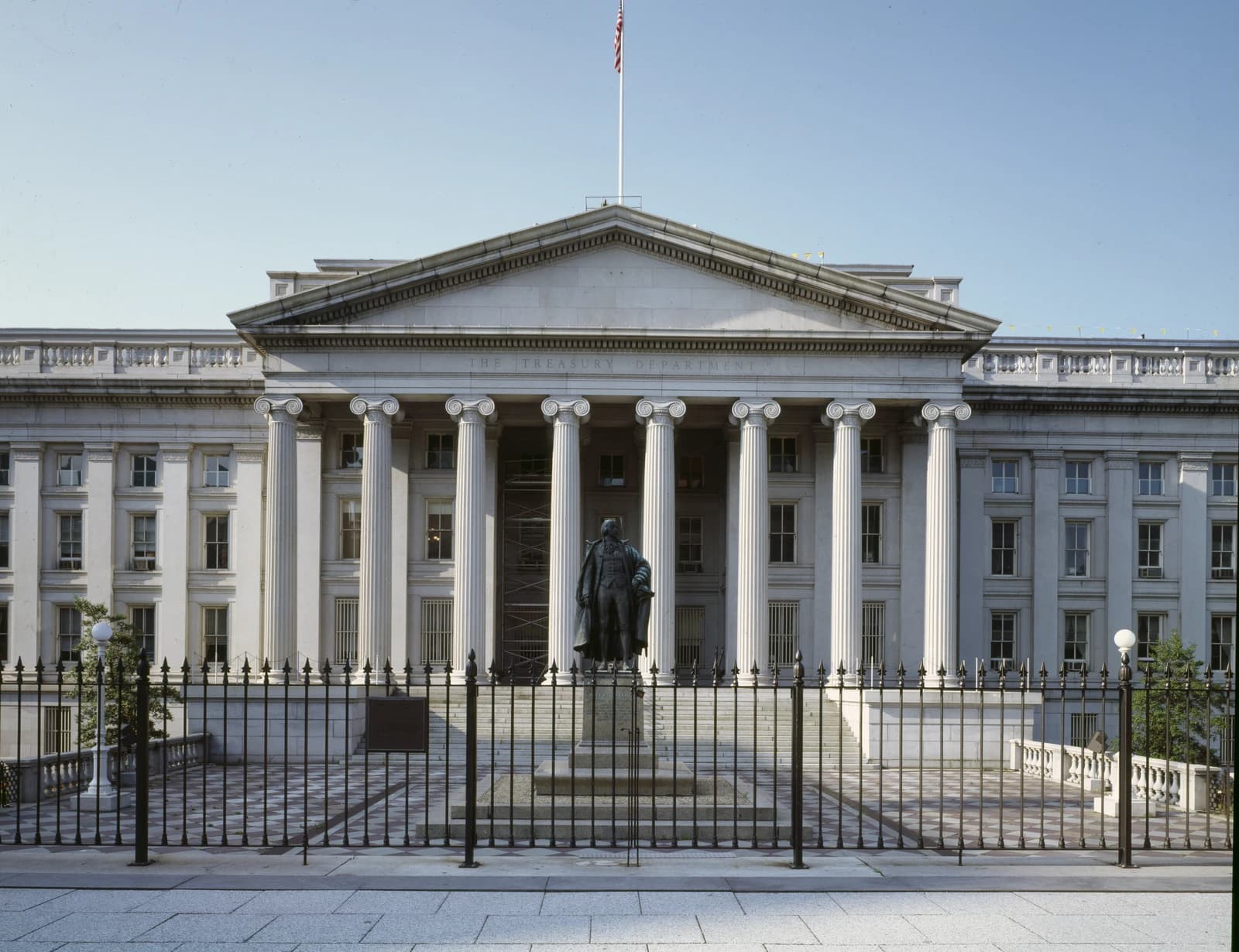
Treasury says it has flagged roughly $270 million in suspicious activity tied to student aid fraud, a sign that one of the federal government’s biggest education spending programs is being targeted at scale and that enforcement is about to get tougher.
Treasury flags $270 million in student aid fraud
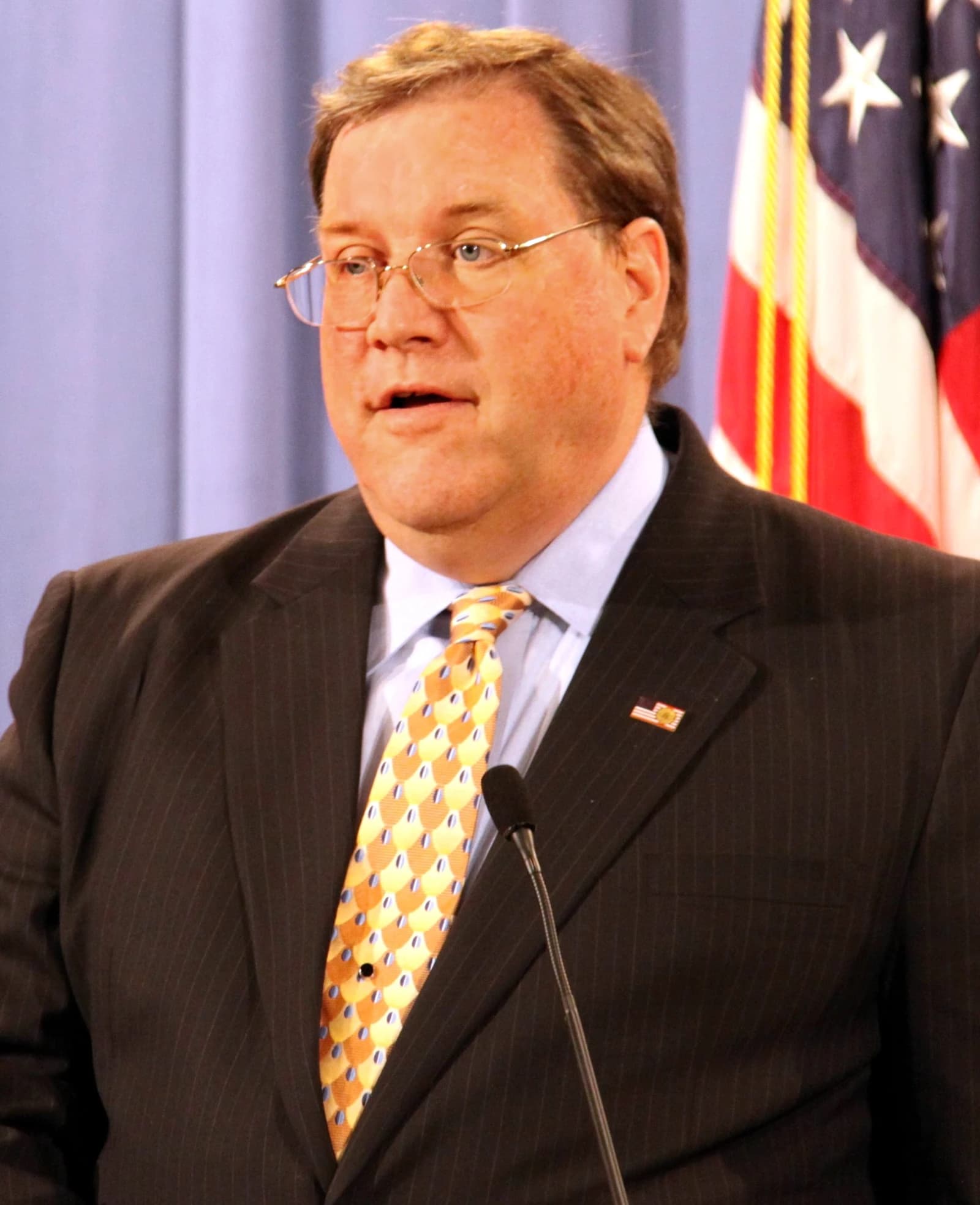
That matters because student aid is not just a social policy issue — it is a multi-billion-dollar funding channel that moves through schools, banks and payment systems, and fraud drains money from legitimate students while exposing taxpayers to losses. Treasury said its Financial Crimes Enforcement Network reviewed more than 20,000 potentially suspicious transactions since February, after issuing an alert to financial institutions in July. The department has now referred the suspected fraud to federal investigators.
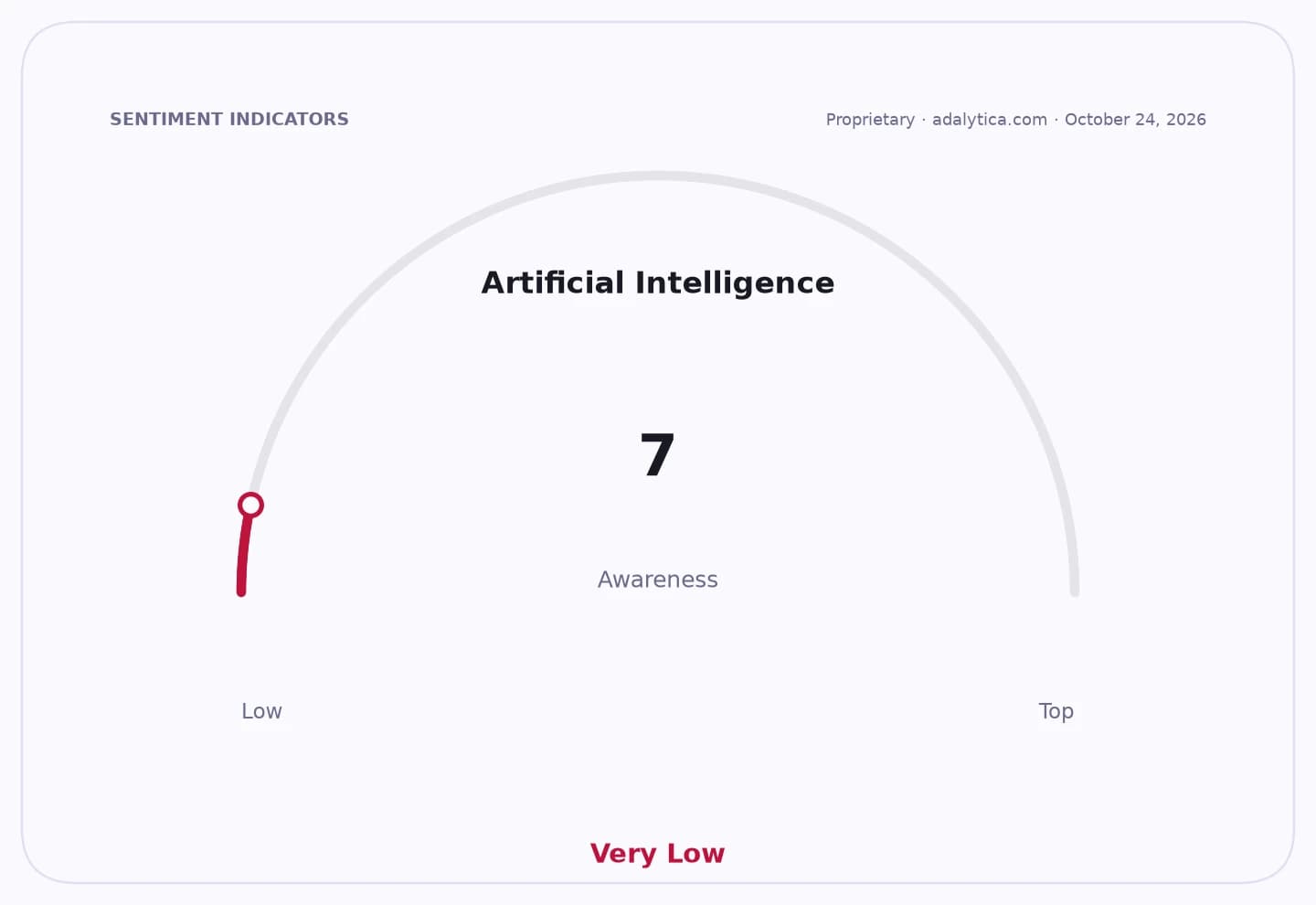
Sentiment Indicators
For investors, the immediate significance is in the direction of policy. A bigger enforcement push can mean tighter compliance demands for colleges, lenders, servicers and payment processors that touch federal aid flows. It can also mean more scrutiny of school recruiting, enrollment verification and identity checks, especially where “ghost student” and “straw student” schemes are involved. Treasury said those scams can steal identities, collect aid in false names, and in some cases involve corrupt school employees.
The scale is what makes this more than a one-off criminal case. Treasury said it has already helped prevent nearly $2 billion in attempted federal student aid fraud from reaching bad actors. That suggests the problem is broad enough to justify a sustained crackdown, not a temporary warning. The Department of Education has already held a fraud summit, and Treasury is now working with the White House task force headed by Vice President JD Vance.
Long term, this is likely to push the education-finance ecosystem toward more verification, more monitoring and fewer easy approvals. That is bad news for fraudsters and for any operators that relied on weak controls, but it may ultimately strengthen the sector by protecting aid dollars for real students. For investors in education lenders and for-profit school operators, the key question is whether tougher oversight turns into higher compliance costs, slower enrollment growth or both.
The bottom line: the government is moving from spotting suspicious transactions to building a wider anti-fraud campaign. Investors should watch for more enforcement actions, tighter program rules and any spillover into private education finance and schools that depend on federal aid. For now, this is a sector risk worth keeping on the watchlist, not a reason to panic.
| Entity | Gains | Losses |
|---|---|---|
| Federal investigators | ▲More leads, more enforcement power | ▼Higher case load |
| Legitimate students | ▲Better aid access, less theft | ▼Slower processing |
| Fraudsters | ▲Nothing | ▼Tighter controls, prosecutions |
| Lenders, schools, servicers | ▲Cleaner systems over time | ▼Higher compliance costs |