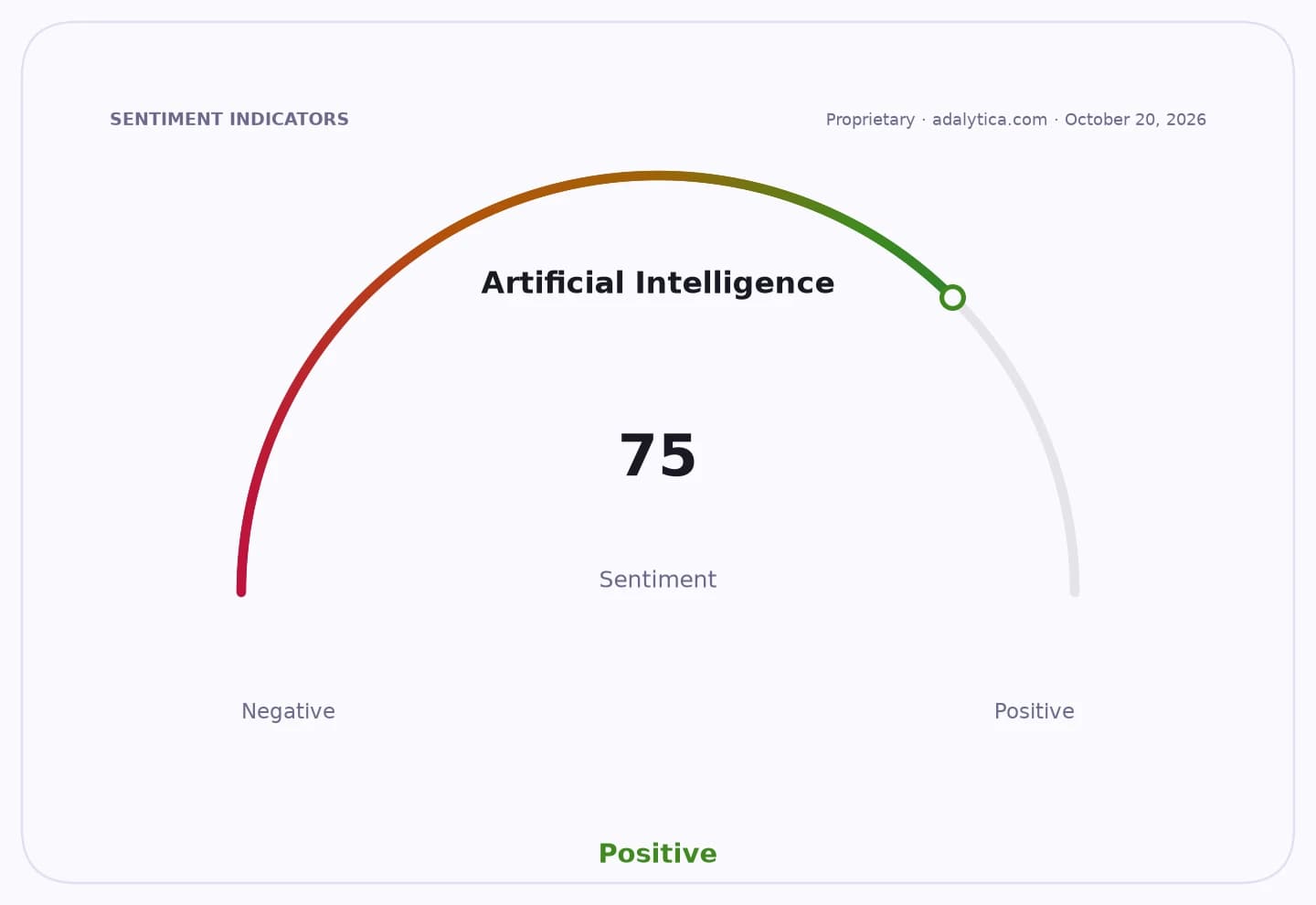
Deepfakes and AI-enabled social engineering are turning online fraud into a bigger economic drain in Kazakhstan, with authorities in Shymkent saying losses from such schemes already run into the billions and that even educated workers are being caught out by fake investment pitches and hacked WhatsApp accounts.
Kazakhstan Fraud Rises With AI Deepfakes and WhatsApp Scams
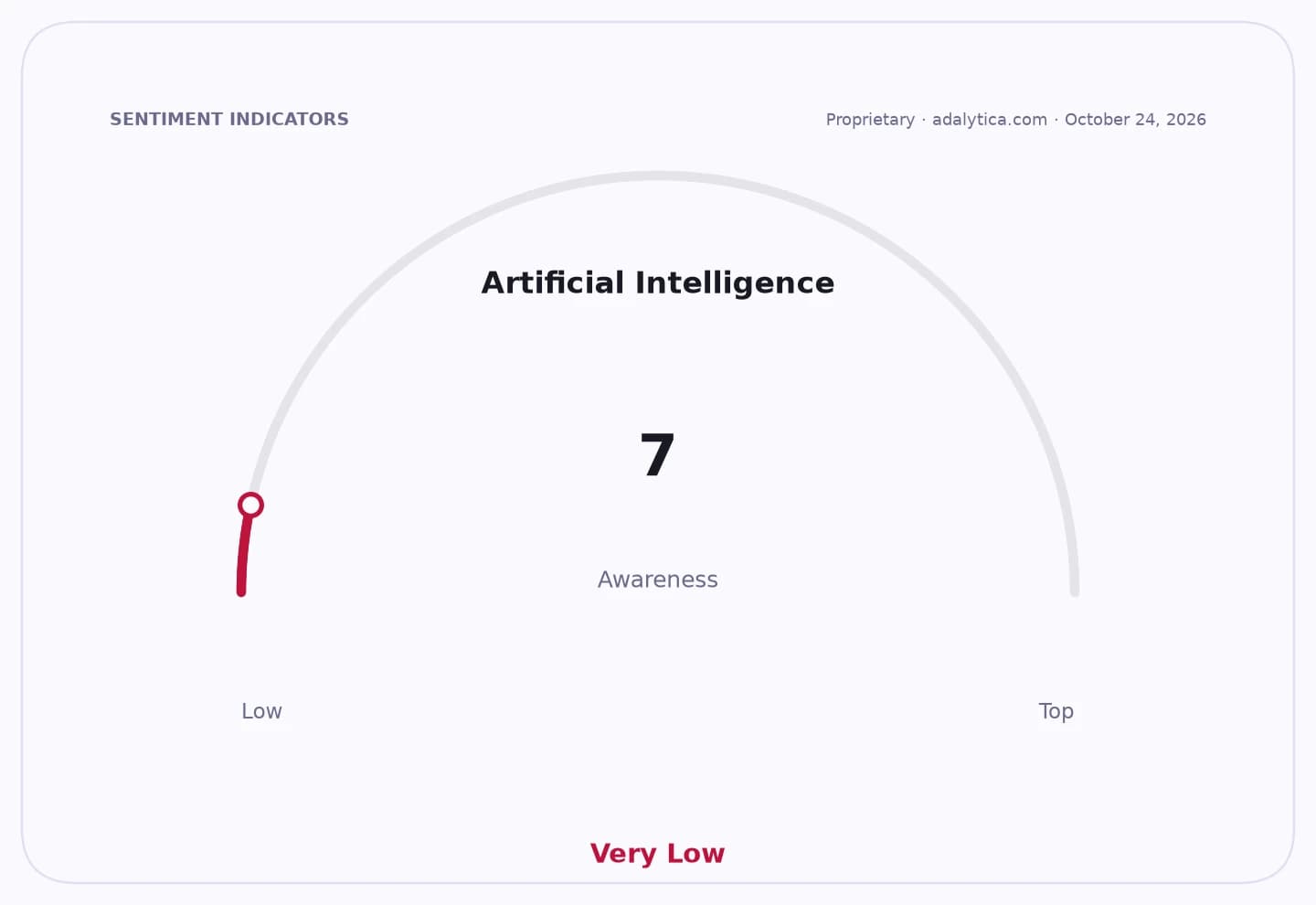
The warning matters because the fraud is no longer limited to crude phishing. Officials said scammers are using synthetic video and voice to impersonate trusted figures, while ordinary users and employees are unknowingly uploading work documents to unvetted chatbots that can send sensitive data to overseas servers. In one official estimate, about 4% of staff at companies and government agencies have carelessly entered service data into fraudulent AI systems, widening the risk from consumer losses to corporate and state data exposure.
Sentiment IndicatorsⓘProprietary · adalytica.com · October 24, 2026
This is a snapshot — live sentiment, awareness and momentum for 130+ markets update continuously in the dashboard.Open AlphaPulse
For investors, the story underscores how AI’s commercial boom is also creating a parallel fraud economy that can hit payments, telecoms, banks and digital platforms. PayPal, for example, has already told investors that AI-enabled threats, account takeovers and social engineering are a growing risk to its business. Microsoft has likewise warned that AI tools can open new attack surfaces and accelerate malicious content generation. That makes cybersecurity spending, identity verification and fraud detection an increasingly important line item across the digital economy.
Local authorities in Shymkent said there have been 57 internet-fraud cases this year involving workers in education and government, a sign that the target set is widening beyond the elderly and other obvious victims. Police said a typical WhatsApp takeover can be monetized by sending urgent pleas for 15,000 to 20,000 tenge to 100 to 150 contacts, pushing total losses to 1.5 million to 3 million tenge per campaign. Officials also flagged fake investment ads on TikTok and Facebook using the names of major companies and public figures to lure older victims with promises of doubling or tripling their money.
The broader economic cost is more than the headline theft. Fraud erodes trust in digital payments, raises compliance and security costs for firms, and can slow adoption of AI tools by businesses and households alike. As synthetic media gets cheaper and more convincing, the edge shifts toward platforms, banks and regulators that can verify identity quickly enough to keep pace.
For investors, the key takeaway is that AI monetization and AI risk are now inseparable. The upside remains in compute, software and digital commerce, but so does the need for stronger authentication, fraud controls and data governance. The next inflection point will be whether regulators and companies can blunt these attacks before they become a larger drag on consumer confidence and transaction growth.
| Entity | Gains | Losses |
|---|---|---|
| Cybersecurity vendors | ▲Higher demand for fraud tools | ▼Slower adoption if trust weakens |
| Banks and payment firms | ▲Stronger case for authentication spend | ▼Higher fraud losses and compliance costs |
| Scammers | ▲Easier impersonation and reach | ▼Greater law-enforcement scrutiny |
| Consumers and workers | ▲Better awareness and protection | ▼Direct losses and data exposure |