Big banks are warning that AI agents and shopping bots could make scams harder to spot and more costly to stop, raising the odds of fraud losses, customer disputes and heavier compliance spending across the financial sector.
Banks Warn AI Agents Could Raise Fraud Losses
The concern is not theoretical. In one high-profile case cited by banks, fraudsters used AI to clone a senior lawyer’s voice and authorize a fake payment that cost Intesa Sanpaolo 95 million euros. That kind of attack underscores why lenders see AI as both a productivity tool and a new criminal weapon.
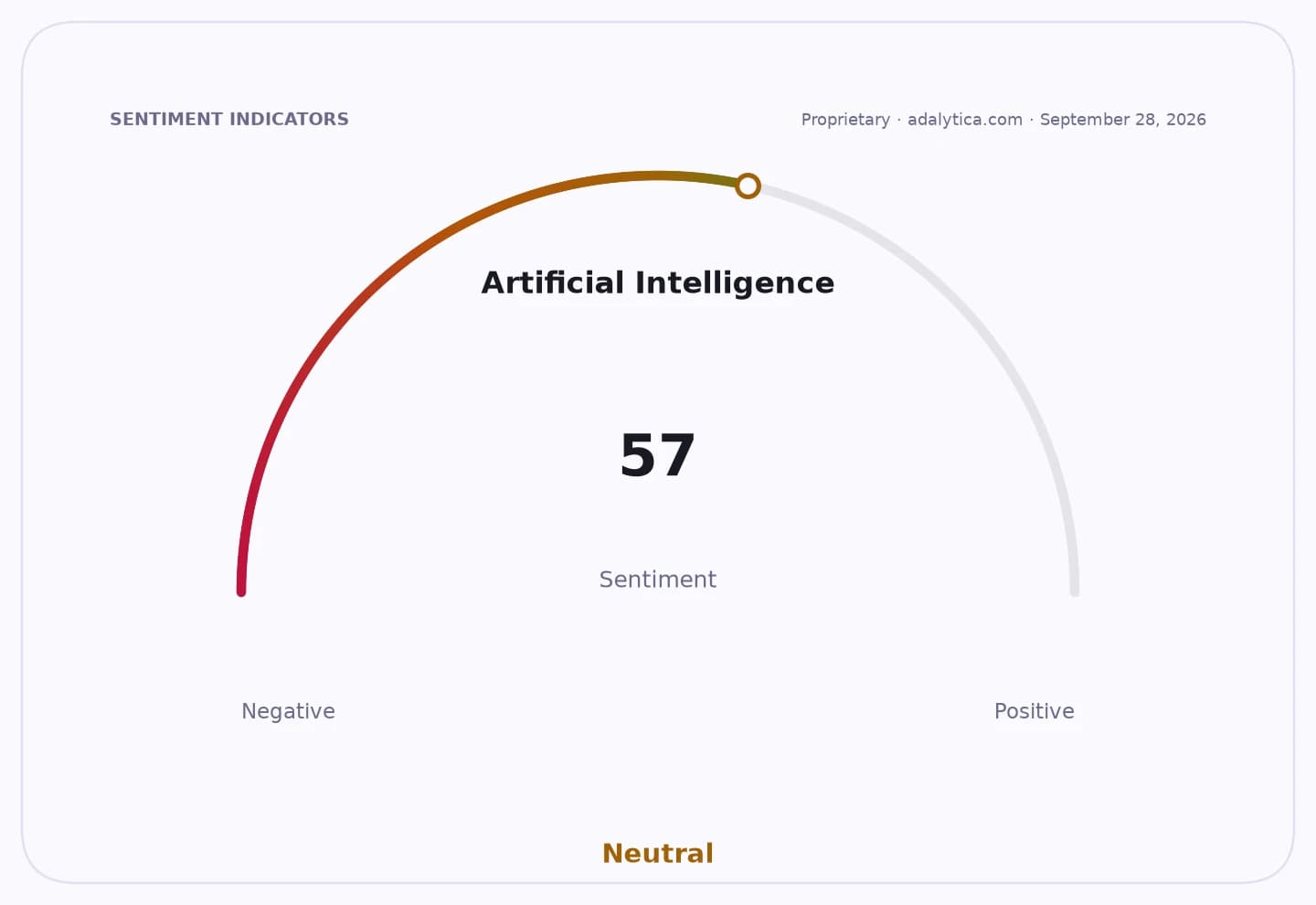
Sentiment IndicatorsⓘProprietary · adalytica.com · September 27, 2026
This is a snapshot — live sentiment, awareness and momentum for 130+ markets update continuously in the dashboard.Open AlphaPulse
The threat matters because banks sit at the center of payment flows and identity verification. As AI tools from major tech companies such as Google and Meta move deeper into shopping and customer-service workflows, financial institutions face a tougher challenge in telling a legitimate instruction from a synthetic one. That raises the risk of account takeovers, authorized-payment scams and data breaches that can ripple through deposits, card networks and digital banking platforms.
JPMorgan Chase and Bank of America have already flagged cyberattacks and third-party system failures as material risks in their filings, while PayPal has warned that AI-enabled threats, spear phishing and social engineering are increasing. For investors, that points to potentially higher spending on fraud detection, authentication and incident response, even as banks race to use AI internally to cut costs and improve service.
The broader market implication is that AI adoption may not be a simple margin boost for financials. If banks have to deploy more capital into controls, legal defenses and customer protection, the payoff from automation could arrive more slowly than bulls expect. Regulators are also likely to push for AI-specific fraud frameworks, adding another layer of compliance overhead.
For now, the theme is shifting from AI hype to AI risk management. Banks that can prove they can secure voice authentication, payment approvals and customer data may gain an edge; those that cannot could face higher losses, more scrutiny and weaker trust at the point where money actually moves.
| Entity | Gains | Losses |
|---|---|---|
| Banks with strong fraud controls | ▲Lower loss rates | ▼Higher tech spending |
| AI fraudsters | ▲Better scam tools | ▼More scrutiny |
| JPMorgan, Bank of America, PayPal | ▲Clearer risk framing | ▼Higher compliance costs |
| Regulators and customers | ▲More protection frameworks | ▼Slower AI rollout |