A data leak involving Oricon News and Nikkei-related information, with TV Tokyo also affected, has sharpened concerns that service users may be among those exposed, turning what could have been a contained corporate incident into a broader trust and compliance problem for Japan’s media and information services sector.
Oricon News and Nikkei Data Leak Investigation
The immediate economic significance is not the breach itself but the potential scope of the damage. If user data was included, the incident could force disclosure costs, customer notification expenses, legal exposure and tighter scrutiny from regulators and business partners. For media groups that rely on subscriber data, distribution relationships and advertising-driven audience analytics, a leak undermines one of the most valuable assets they hold: confidence in their platforms and data-handling systems.
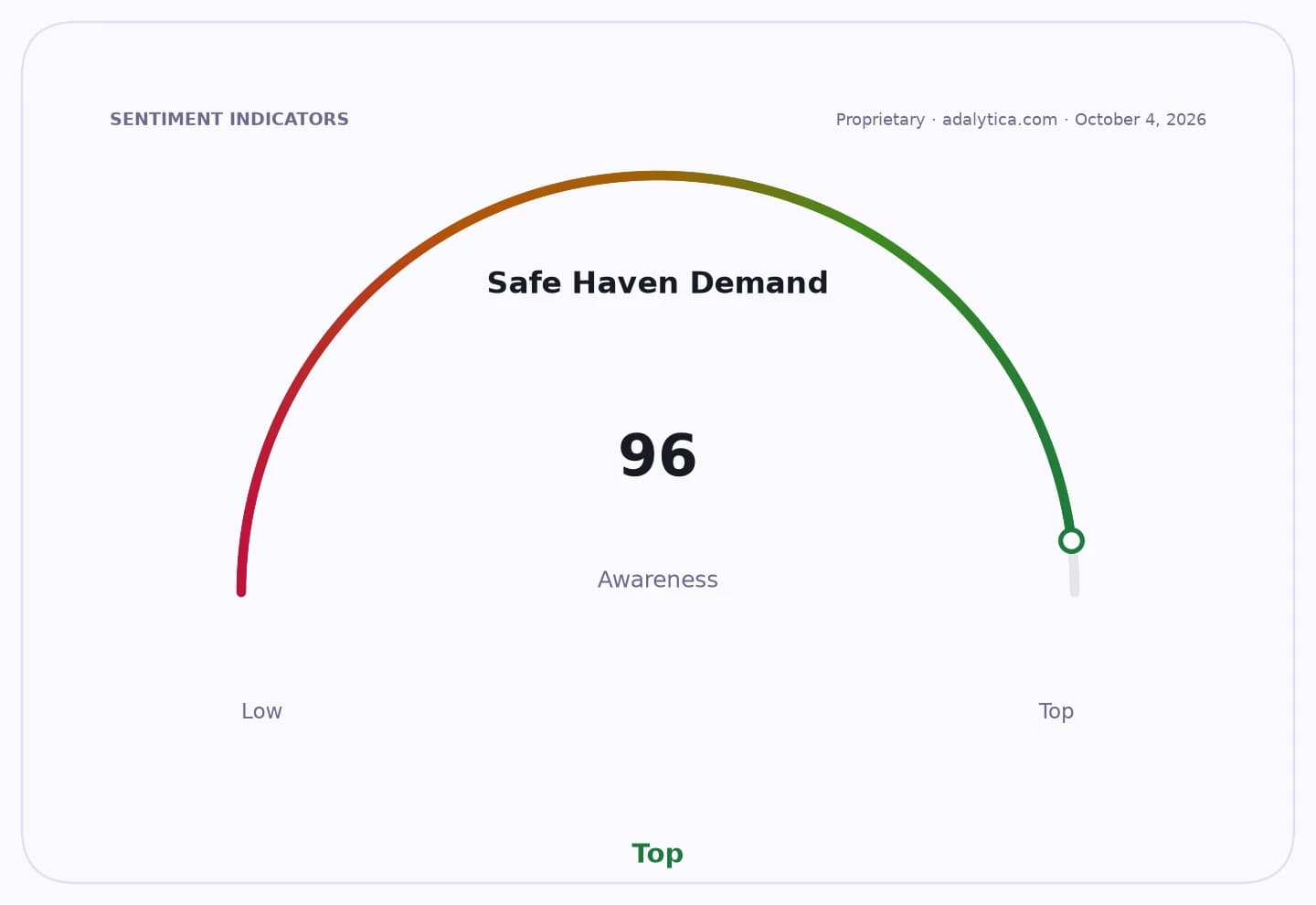
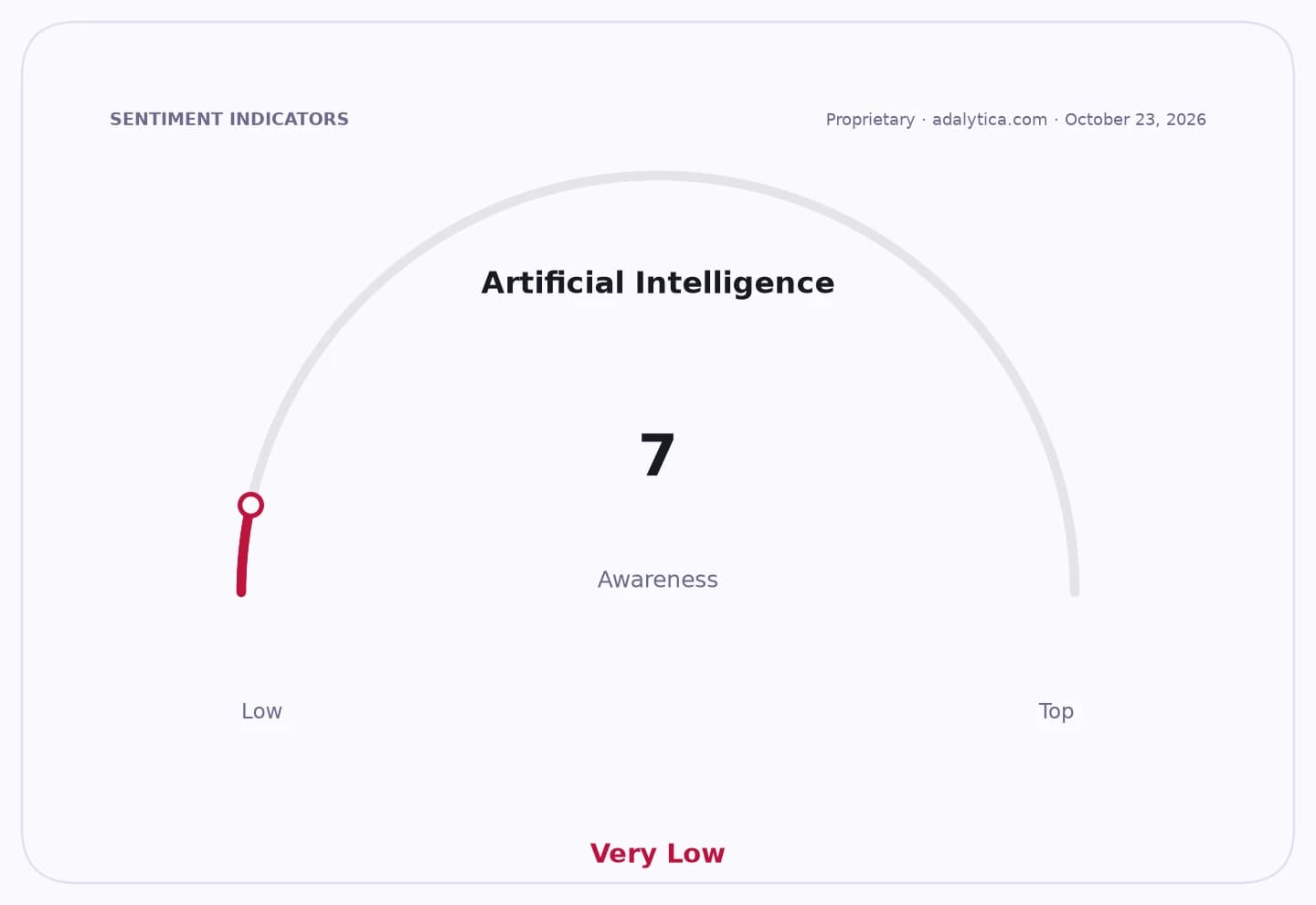
Sentiment IndicatorsⓘProprietary · adalytica.com · October 21, 2026
This is a snapshot — live sentiment, awareness and momentum for 130+ markets update continuously in the dashboard.Open AlphaPulse
The market relevance is clear. Cyber incidents increasingly translate into operational disruption and reputational damage long before any direct financial penalty is known. Companies exposed to user-data risk often face higher compliance spending, insurance costs and a longer drag on customer retention. For listed media and content businesses, the hit can be especially sensitive because their margins are typically thinner than those of larger technology or telecom peers, leaving less room to absorb remediation costs.
The mention that TV Tokyo may also be affected broadens the story beyond a single newsroom or publisher and suggests a shared vendor, service or distribution channel could be involved. That raises the possibility of a wider ecosystem vulnerability rather than an isolated compromise. In that scenario, investors would focus less on the initial breach and more on whether other organizations using the same systems or providers are at risk of follow-on exposure.
The development also fits a wider pattern of rising cybersecurity pressure on both public and private institutions. Japanese companies, like peers globally, are facing heavier expectations to secure personal data while maintaining digital services that are increasingly central to revenue generation. The challenge for investors is that the downside from a breach is often asymmetric: the financial cost may be manageable, but the damage to brand trust and future customer acquisition can linger.
For now, the key question is whether authorities and the affected firms can determine the scale of the leak quickly and whether personal information was actually accessed. The faster the investigation identifies the scope and source, the better the chance of limiting broader contagion across media platforms and service providers. If user records were compromised, the incident could become a case study in how a single security lapse spreads from an IT problem into a wider commercial and investor risk.
| Entity | Gains | Losses |
|---|---|---|
| Attackers | ▲Leaked data value | ▼Reputation risk if traced |
| Affected media firms | ▲Opportunity to tighten controls | ▼Trust, users, and margin |
| Customers/service users | ▲Faster security response | ▼Privacy and fraud risk |
| Cybersecurity vendors | ▲Higher demand for defenses | ▼ |