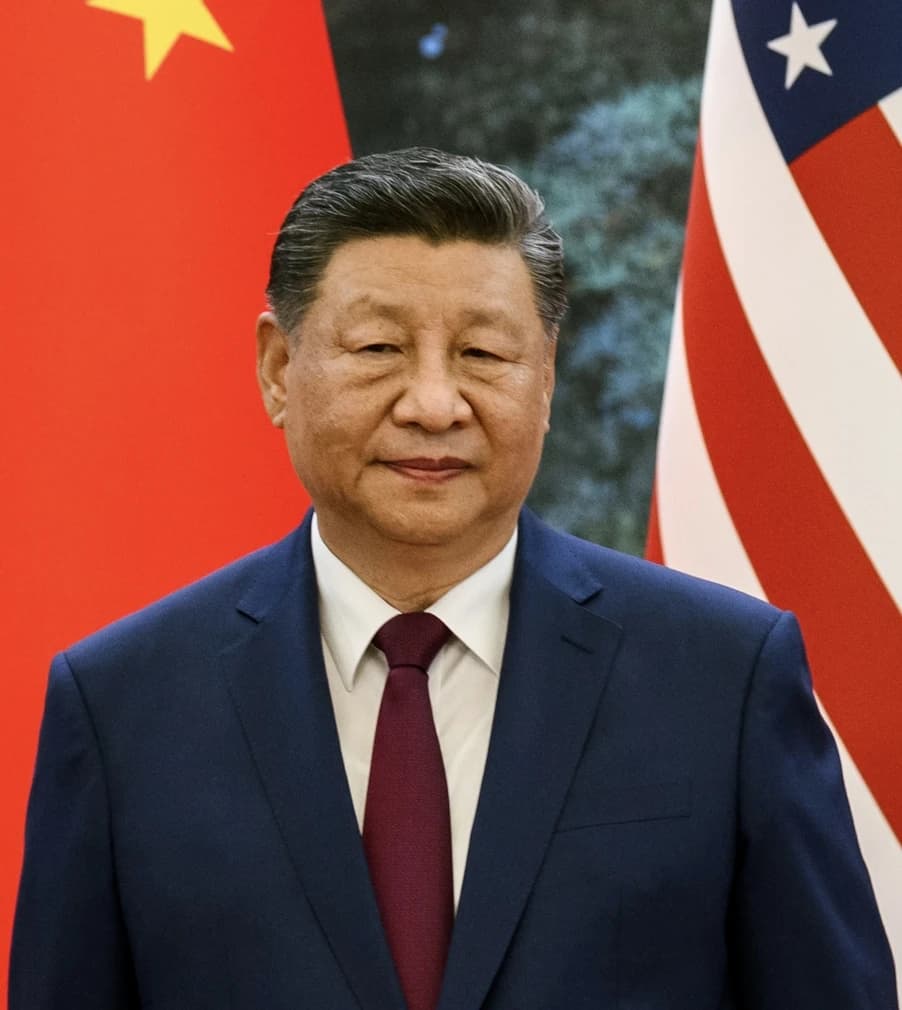
President Xi Jinping is sharpening the Communist Party’s anti-corruption campaign just weeks before a major conclave, a reminder that the political and economic agenda in China is still being shaped by discipline, control and the fear of backlash from powerful vested interests.
China anti-corruption push before party conclave
The most important detail is not the florid language — Xi’s pledge to “uproot sick trees” — but the timing. By surfacing fresh remarks from a January speech in the party’s flagship Qiushi magazine now, Beijing is signaling that corruption remains a central governing priority ahead of a key party gathering later this month. For investors, that matters because anti-graft drives in China are never just about ethics. They can reshape who gets favored access to capital, which industries face scrutiny and how much room state-linked firms have to operate.
Sentiment Indicators
CCP Policy Direction
That political message comes through clearly in the market mood around China. The iShares MSCI China ETF, ticker MCHI, has slipped to about $48.96 from more than $63 earlier this year, while the broader FXI China large-cap ETF has fallen to roughly $32.69, both trading below their 200-day moving averages. FXI’s relative strength index near 26 suggests the fund is technically oversold, but the bigger takeaway is that investors are still demanding a meaningful policy catalyst before rerating China assets.
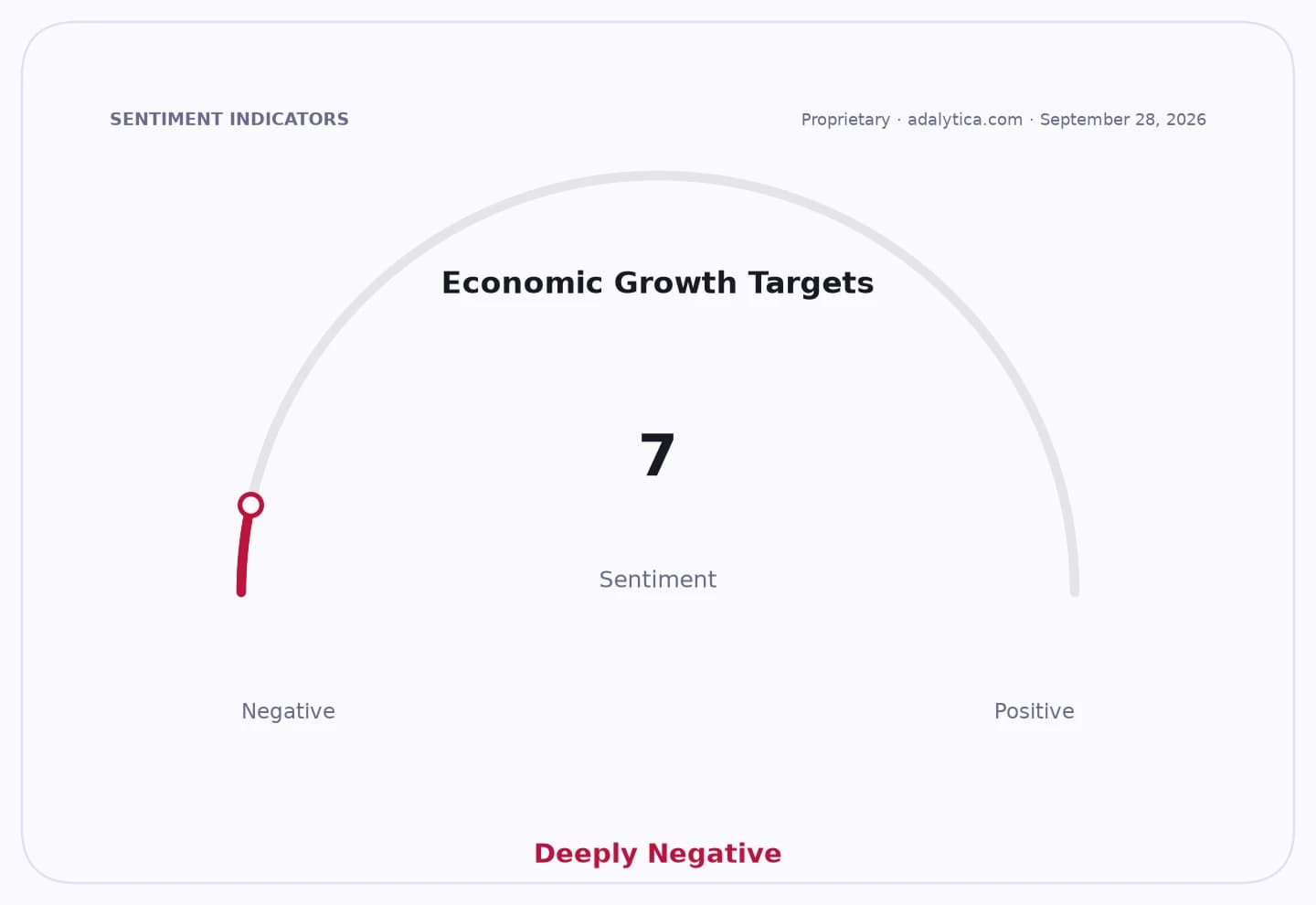
A fresh anti-corruption push can cut both ways for the economy. On one hand, it can reduce leakage, deter fraud and improve the quality of public spending over time. On the other, it can slow decision-making, freeze hiring and make executives and officials more cautious about approving projects. That is especially relevant in China’s current environment, where growth expectations remain fragile and confidence is already uneven. Adalytica’s China economic growth target sentiment sits in “Extreme Fear,” reflecting how little margin of safety investors are seeing.
CCP Policy Direction vs FXIadalytica.com
Explore this data interactively — full history, time series and cross-market comparisons.

The latest message also fits a broader pattern of tightening discipline across the state apparatus. Beijing has been leaning harder on officials, regulators and executives as it tries to restore public trust after a string of corruption and fraud cases. That includes the recent sentencing of former securities regulator Yi Huiman, which reinforced the sense that no part of the policy chain is off limits.
For investors, the practical question is not whether China will keep cracking down — it will — but where the pressure lands next. State-owned enterprises, financial firms, local governments and sectors dependent on government approvals are the most exposed. By contrast, companies with cleaner governance, stronger balance sheets and less reliance on political favor may look relatively safer if the campaign deepens.
The long-term investment case for China still rests on whether Beijing can balance discipline with growth. If the anti-corruption drive improves efficiency without choking off credit and business confidence, it could support a healthier market over time. If it instead becomes another source of policy uncertainty, the discount on China equities may linger. Either way, this is a story investors should keep on the watchlist, not because it is dramatic, but because it reaches into the machinery that drives the world’s second-largest economy.
| Entity | Gains | Losses |
|---|---|---|
| Xi Jinping / CCP leadership | ▲Political control | ▼Corruption networks |
| Chinese consumers / taxpayers | ▲Less leakage | ▼Slower approvals |
| Governance-focused investors | ▲Cleaner policy environment | ▼Short-term uncertainty |
| State-linked firms and officials | ▲— | ▼Greater scrutiny |