China’s stock market recovered late in the session as state-backed ETF buying helped pull the Shanghai Composite back into positive territory, underscoring Beijing’s determination to defend confidence after weeks of pressure on equities and AI-heavy names.
Shanghai Composite Rises on State-Backed ETF Buying
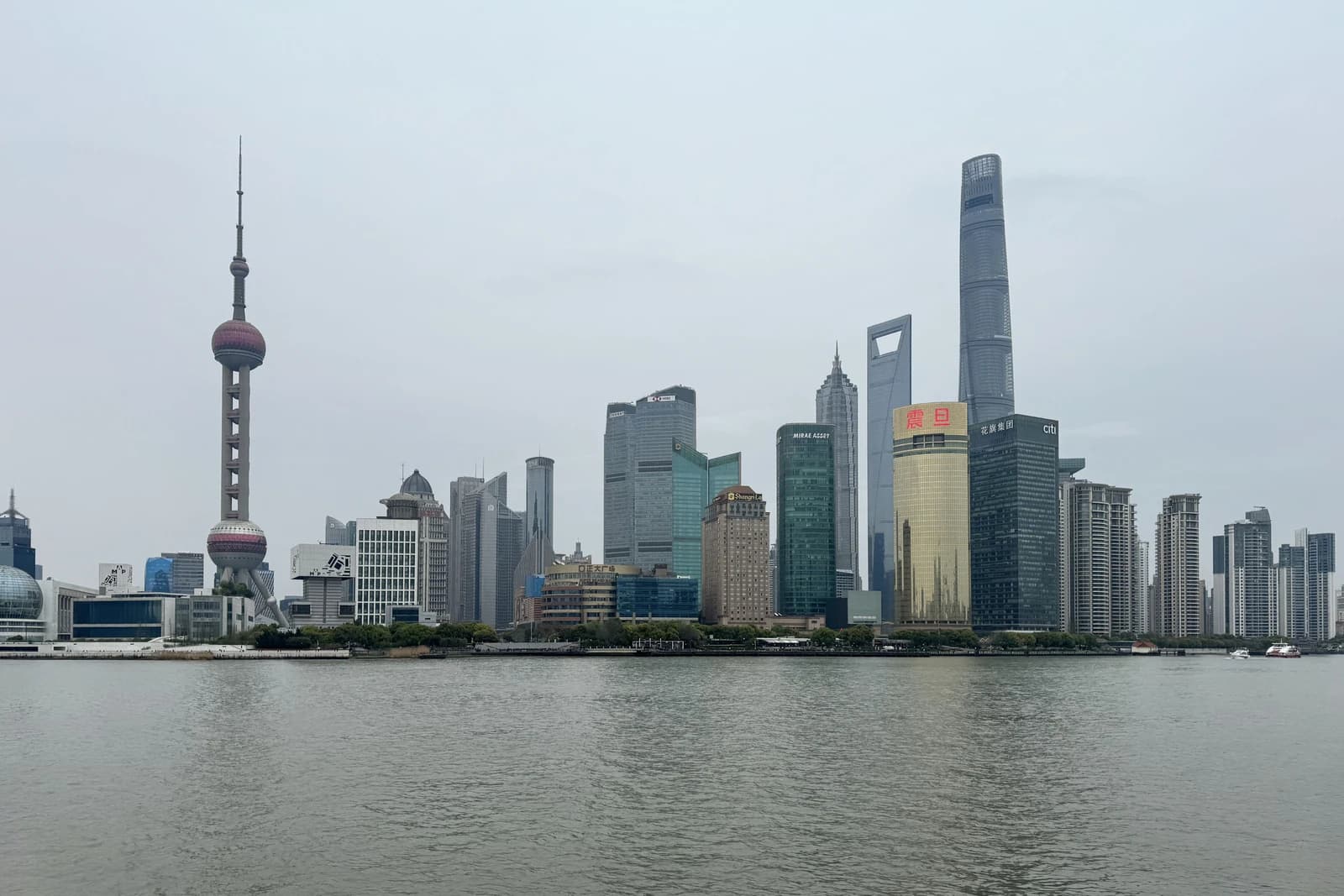
The Shanghai Composite closed up 32.45 points, or 0.89%, at 3,690.48 on Friday after swinging from losses earlier in the day. The rebound mattered because it was driven less by a shift in growth or earnings expectations than by direct policy support: investors moved into nine government-favored ETFs with turnover reaching 60 billion yuan ($8.99 billion), led by the E Fund ChiNext ETF, which drew 15 billion yuan, its biggest inflow since July.
Sentiment Indicators

That scale of buying matters economically because it highlights how much of the market’s near-term stability depends on official intervention. Chinese authorities have been trying to contain selling pressure and revive a rally that began in late 2024 on stimulus hopes but has since faded. Friday’s action suggests policymakers remain reluctant to let weakness in equities become a broader confidence problem, especially with domestic risk appetite still fragile and China’s technology sector under scrutiny.
For investors, the message is two-sided. On one hand, heavy ETF flows can provide a powerful floor under benchmark indices and prevent forced liquidation from feeding on itself. On the other, such support does not resolve the deeper issue: valuations in parts of the market, especially AI-linked shares, have been volatile while earnings visibility remains uneven. The rally in Cambricon Technologies, SMIC and Zhongji Innolight shows how quickly beaten-down technology names can bounce once selling pressure eases, but it also underlines how dependent these moves are on liquidity rather than fundamentals.
The broader narrative is that Beijing is now actively managing market psychology as much as market structure. China’s late-session bid helped the Shanghai Composite end the week down only 0.69%, but the week’s net decline still points to a market that has lost momentum. If state support keeps intensifying, it may stabilize indices in the near term; if it fails to restore private-sector buying, however, investors may see more of the same: sharp intraday swings, selective rebounds in policy-backed sectors and continued skepticism over the durability of China’s equity recovery.
| Entity | Gains | Losses |
|---|---|---|
| Chinese policymakers | ▲Market stability | ▼Need for heavier intervention |
| State-backed ETF buyers | ▲Support prices | ▼Capital tied to defense buying |
| Shanghai Composite / large-cap China stocks | ▲Late-session rebound | ▼Weak organic demand |
| Short sellers / cautious investors | ▲— | ▼Near-term upside case |