Xi Jinping’s pledge to “uproot” corrupt officials has sharpened investor concern that Beijing is preparing to extend a sweeping anti-graft drive just weeks before a Communist Party conclave that is likely to set the tone for policy and personnel decisions.
China Equities Slip on Xi Anti-Graft Warning
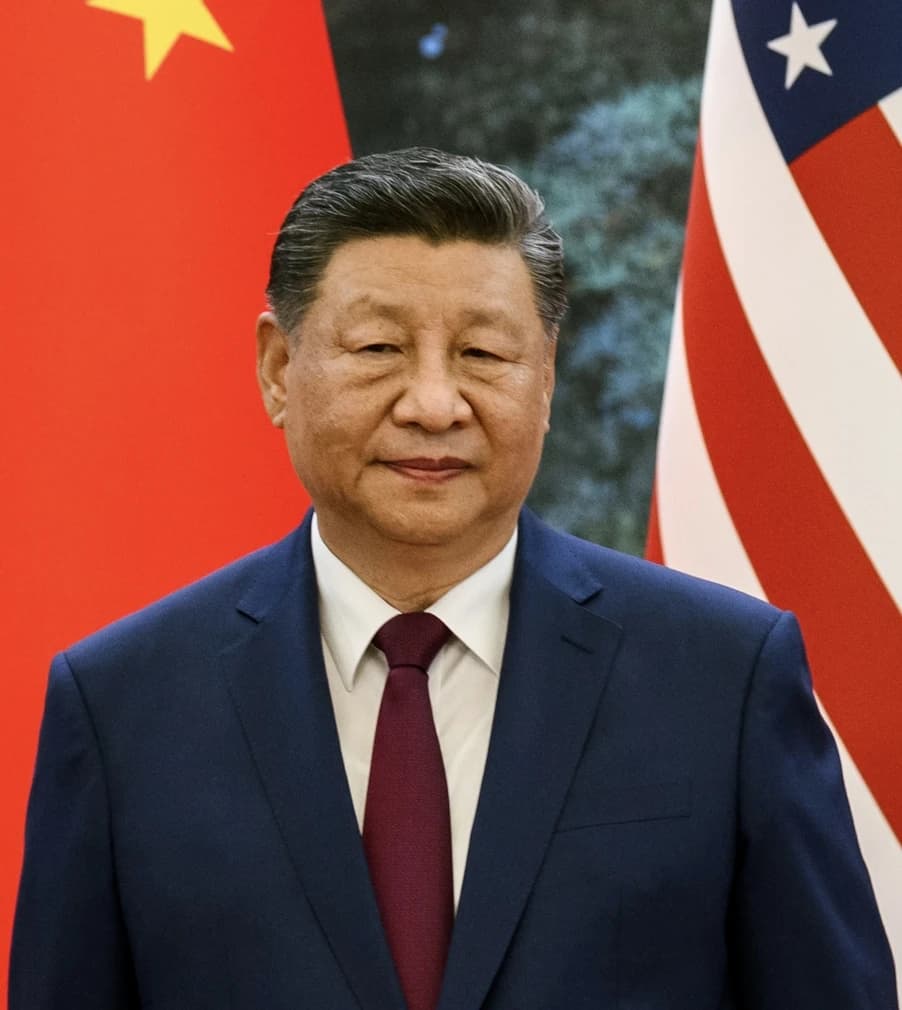
That matters because anti-corruption campaigns in China are never just about discipline: they can reshape bureaucratic incentives, slow spending and procurement, and alter the balance of power inside state-owned enterprises, local governments and regulated industries. When the campaign is framed in the language Xi used — “we cannot stop for a moment or retreat even half a step” — markets read it as a signal that political risk, not just growth support, is again rising up the agenda.
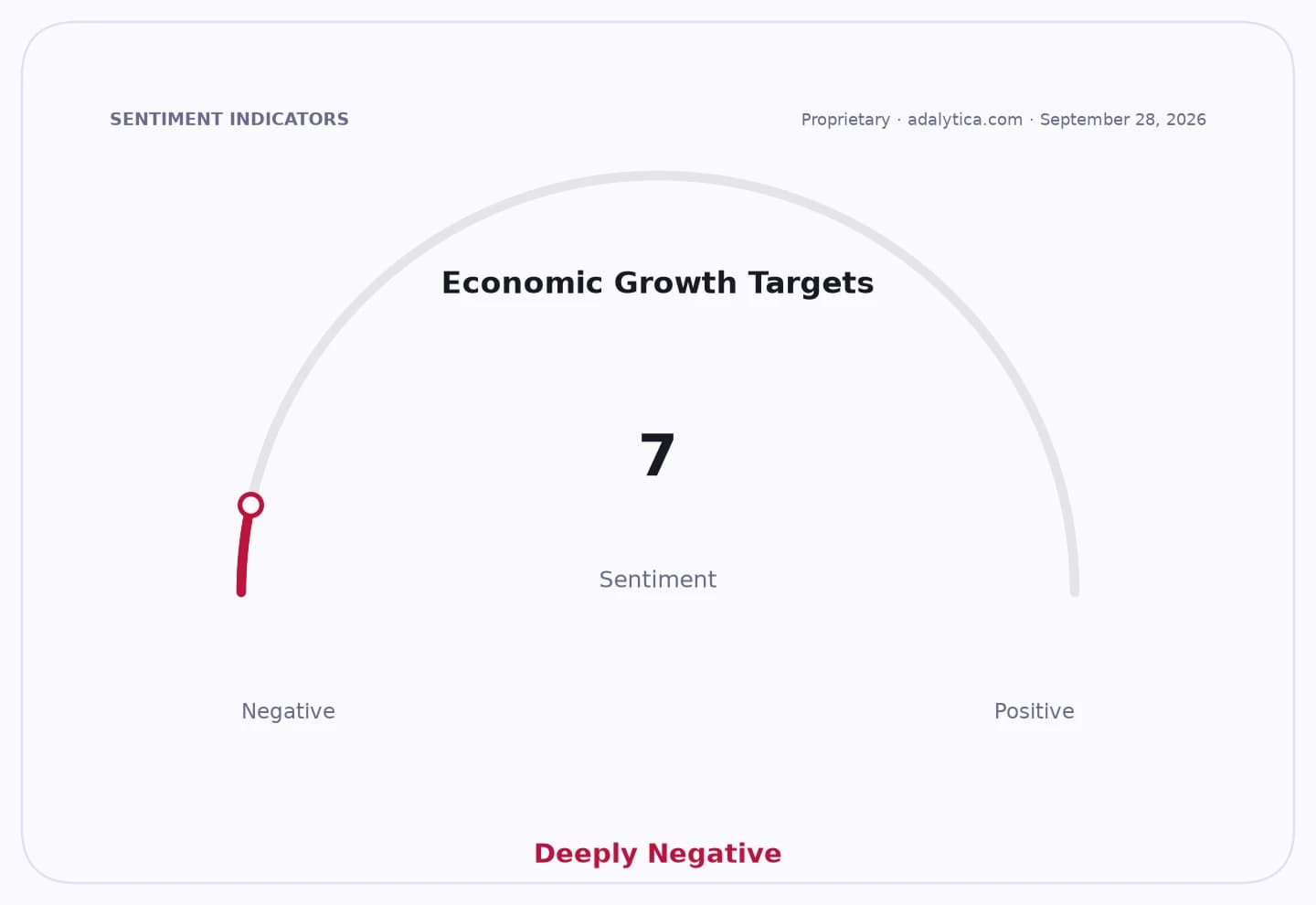
Sentiment IndicatorsⓘProprietary · adalytica.com · October 19, 2026
This is a snapshot — live sentiment, awareness and momentum for 130+ markets update continuously in the dashboard.Open AlphaPulse
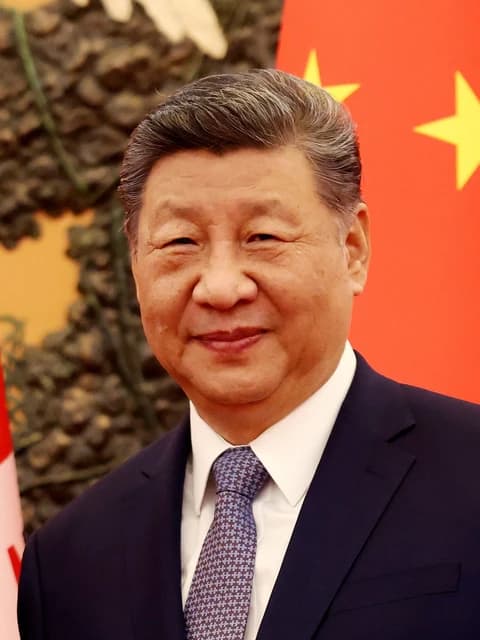
The speech to the party’s corruption watchdog came at a sensitive moment. Investors are trying to gauge whether leaders will prioritize stability and stimulus, or whether the leadership will instead lean harder into internal discipline and control ahead of the conclave. In China, that choice has direct economic consequences: a tighter anti-graft push can delay infrastructure decisions, suppress luxury and travel spending by officials, and keep private and state managers cautious about committing capital.
The market reaction suggests those concerns are already in price. The MSCI China ETF, tracked by FXI, has slipped to about $33.84 from $40.34 in January, and remains below both its 50-day and 200-day moving averages. The China-focused benchmark has struggled to recover after a volatile year, while the inverse China ETF, YANG, has rallied to $32.42 from $22.38 in December, reflecting persistent investor skepticism toward Chinese equities and policy visibility.
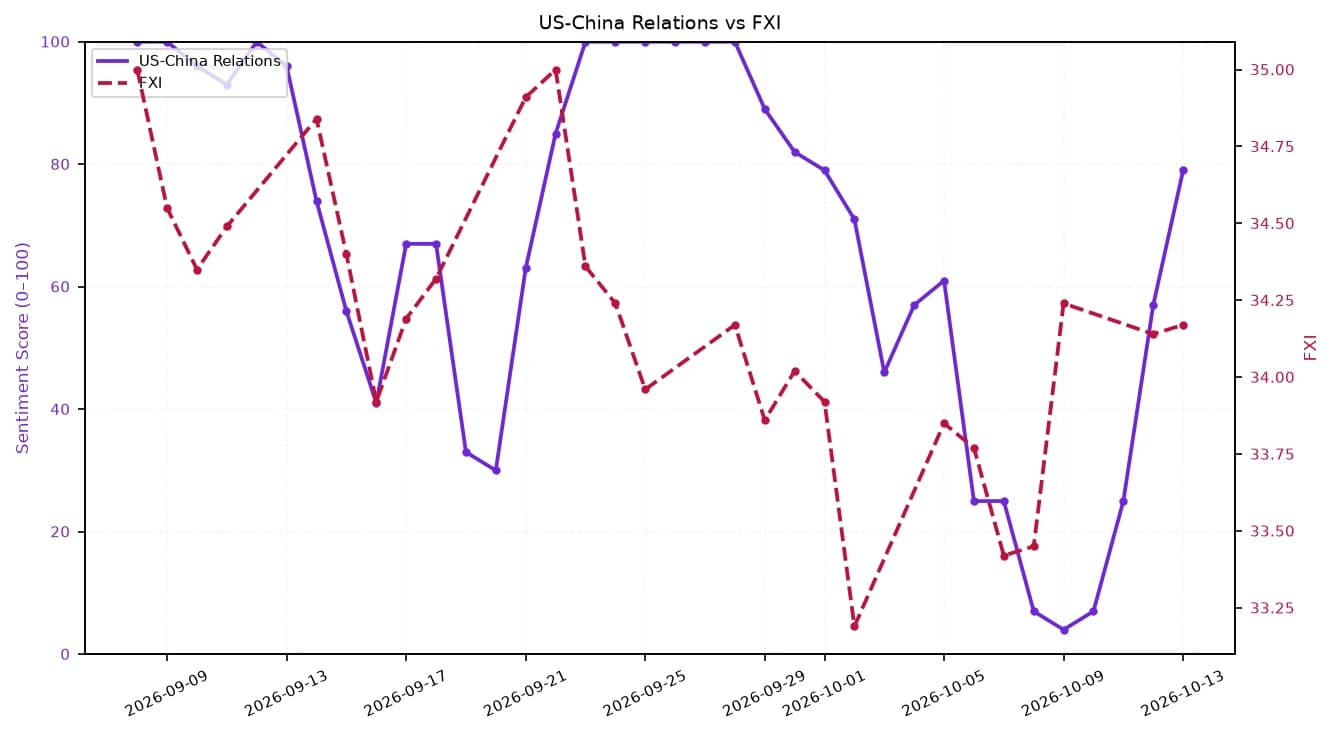
CCP Policy Direction vs MCHIadalytica.com
Explore this data interactively — full history, time series and cross-market comparisons.Open AlphaPulse
Technical indicators reinforce that caution. FXI’s RSI reading of 46.3 is near neutral after a recent rebound, while its MACD remains below zero, suggesting momentum is still fragile. MCHI shows a similar picture: the fund is trading below its 200-day moving average, with RSI around 39.7 and a negative MACD, indicating the broader China equity complex has yet to regain a durable bid.
The political backdrop is also more fraught than usual. Adalytica’s China CCP Policy Direction Sentiment indicator is at 93, labeled “Extreme Greed,” while awareness remains only 7, an “Extreme Fear” reading. That combination points to intense market focus on party signaling but limited confidence that the policy path is clear. By contrast, Adalytica’s Global Stability Sentiment has fallen to 7, underscoring how geopolitical and policy uncertainty is feeding into broader risk aversion.
For bulls, Xi’s remarks could be read as standard political housekeeping ahead of a major party meeting, with little immediate impact on growth if the drive stays focused on headline abuses and organized corruption. For bears, the language suggests a renewed willingness to use anti-graft enforcement as a governing tool, which can chill spending decisions, constrain local government activity and deepen the premium investors demand for Chinese assets.
The next catalyst is the conclave itself, which should reveal whether the leadership emphasizes economic support or political tightening. Until then, Xi’s warning is likely to keep investors focused less on stimulus headlines and more on the cost of doing business in a system where the anti-corruption campaign remains one of the most powerful policy levers in China.
| Entity | Gains | Losses |
|---|---|---|
| Xi and the CCP leadership | ▲tighter control | ▼policy flexibility |
| Anti-graft watchdogs | ▲stronger mandate | ▼narrower scrutiny |
| State firms and officials | ▲cleaner optics | ▼higher compliance risk |
| China equities / FXI / MCHI longs | ▲potential policy clarity | ▼renewed political uncertainty |