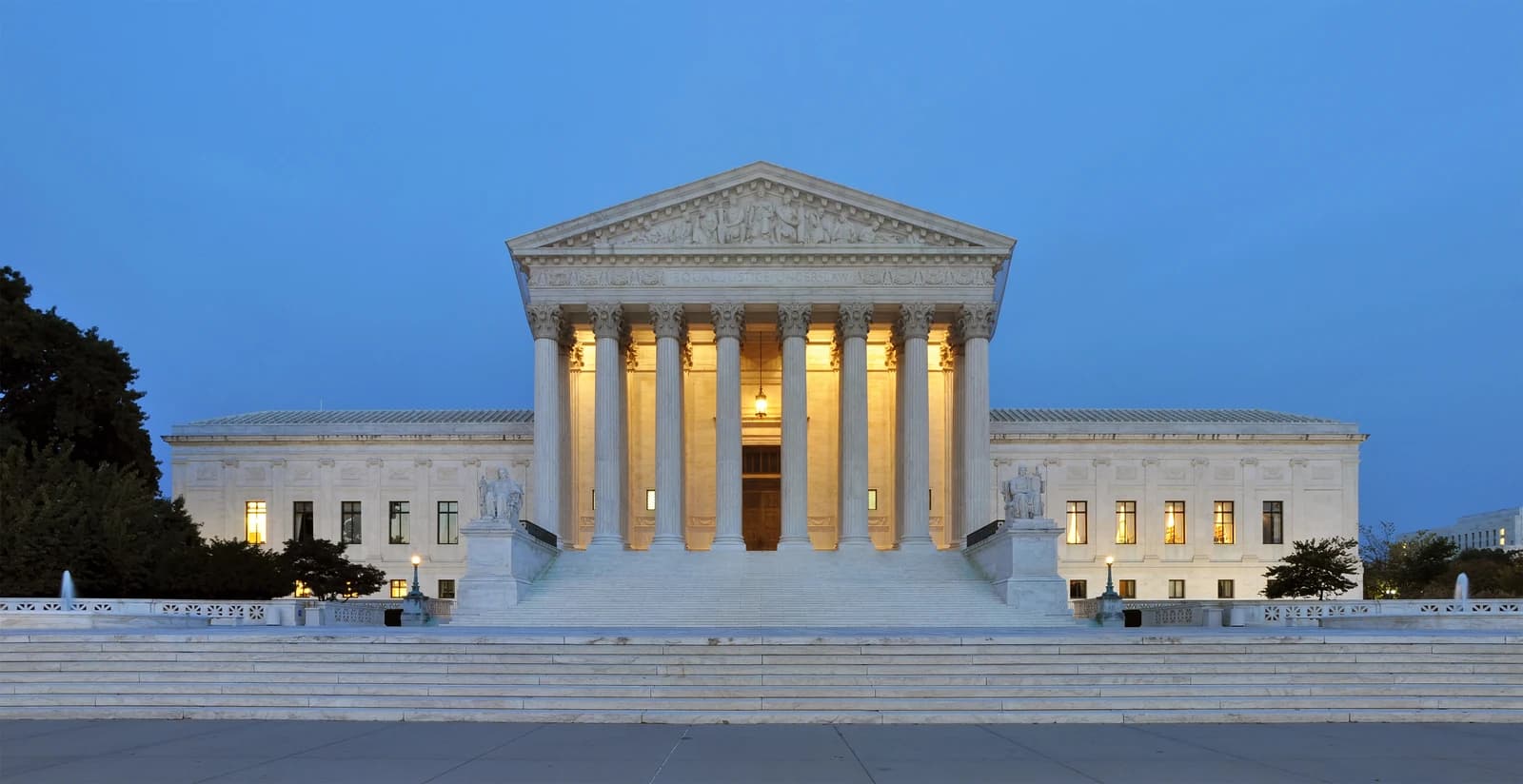
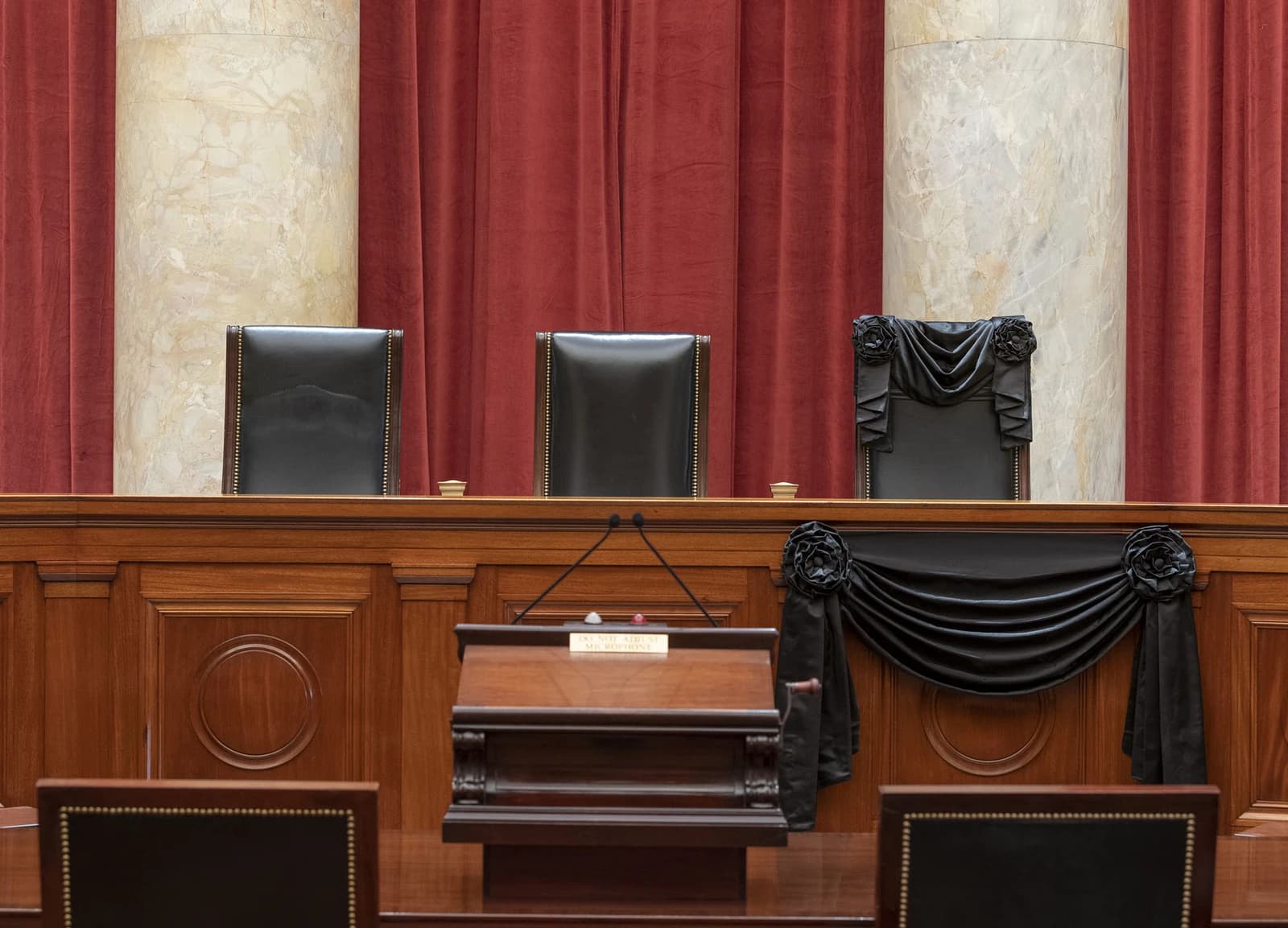
The U.S. Supreme Court’s decision to let New Hampshire reject student IDs at the polls is a reminder that election rules can change quickly, and that last-minute legal fights can determine who gets to vote in a close race.
New Hampshire student ID voting ruling
For investors, the ruling does not move markets directly the way a rate decision or earnings report would. But it does matter economically because election administration affects how smoothly governments function, how voters perceive legitimacy, and how much legal uncertainty hangs over a politically sensitive year. In that sense, the case fits into a broader pattern of U.S. institutional tension that can influence everything from turnout to confidence in the policy process.
Sentiment Indicators
The court granted an emergency stay that allows the state to enforce a law passed in April removing student IDs as an accepted form of identification for voting. New Hampshire officials said the change had already been rolled into guidance and training before a lawsuit from the Coalition for Open Democracy sought to block it. The legal dispute turned on the Purcell principle, the idea that courts should be reluctant to alter election rules close to an election because of the risk of confusion.
Justice Ketanji Brown Jackson dissented, arguing that the lower court had not rewritten the law but merely sought to correct misleading guidance so it matched the statute. The challengers said the stay would itself create confusion and would block young voters from using a common form of ID. The state, meanwhile, framed the ruling as a victory for election integrity and administrative clarity.
The bigger investment story is not about New Hampshire alone. It is about how contentious election rules can become part of the political backdrop heading into a vote-rich period. That matters for sectors exposed to regulation, public spending and tax policy, as well as for investors trying to handicap volatility around the policy calendar. When courts step in—or step back—there can be real consequences for which agenda gets momentum after Election Day.
For long-term investors, the key takeaway is that political noise rarely changes the core case for owning productive businesses, diversified index funds and companies with durable cash flows. But it can shape sentiment, and sentiment can shape prices, especially when markets are already stretched. Adalytica’s S&P 500 trade signals show extreme awareness around the broader market even as sentiment remains neutral, a reminder that investors are paying close attention to policy and legal risk.
This ruling is worth watching for its broader signal: states are likely to keep pressing voter ID rules, while courts remain wary of last-minute intervention. That means the election-law fight is far from over, and investors should expect the political backdrop to stay noisy, even if the long-term compounding story in the market remains intact. For patient investors, that’s usually a reason to stay diversified, stay calm and keep focusing on businesses that can grow through the cycle.
| Entity | Gains | Losses |
|---|---|---|
| New Hampshire officials | ▲Enforce voter ID law | ▼Face ongoing litigation |
| State election administrators | ▲Clearer polling guidance | ▼More voter confusion risk |
| Student voters | ▲None | ▼Lose student ID option |
| Coalition for Open Democracy | ▲Keeps case alive | ▼Emergency relief denied |