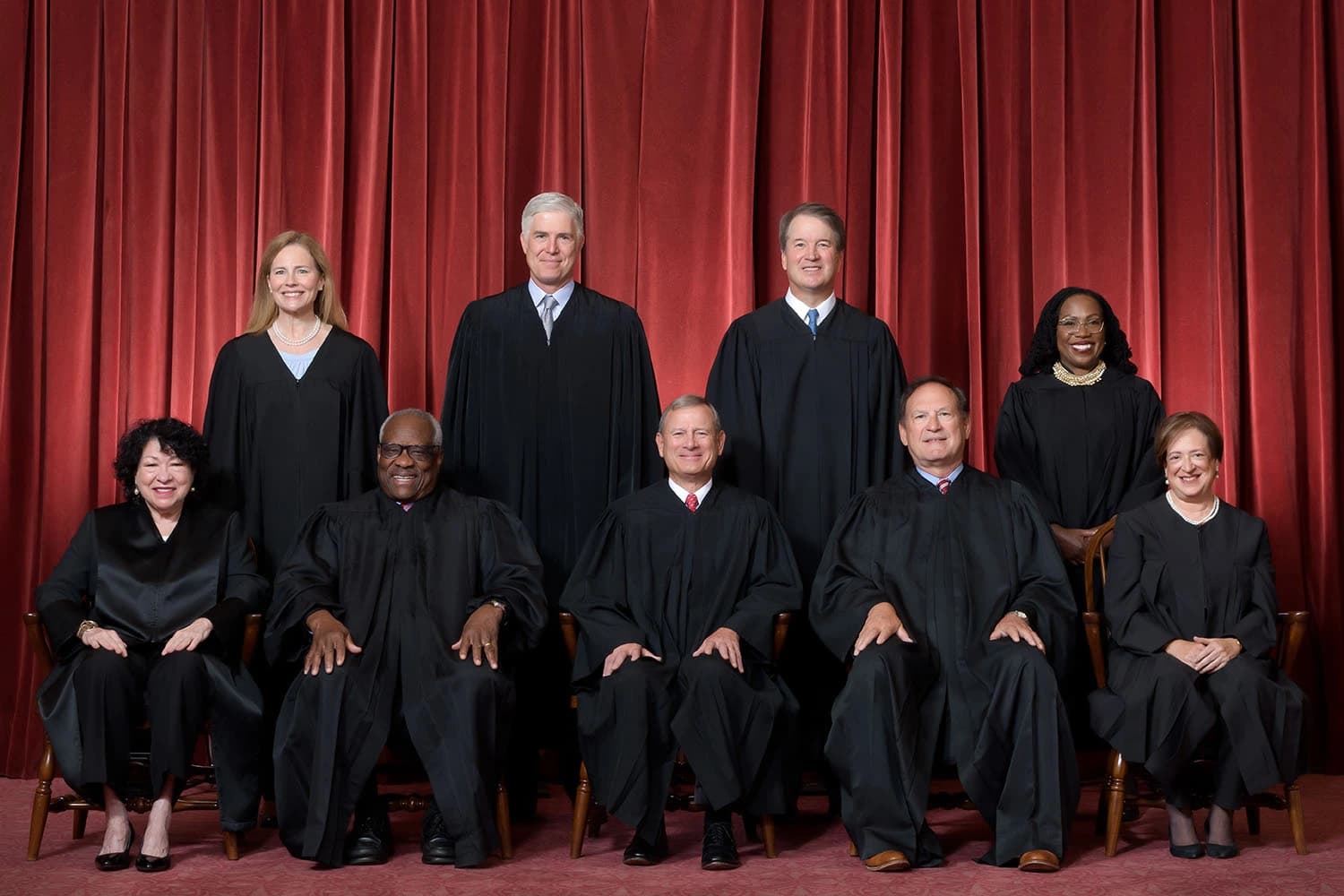
The U.S. Supreme Court begins a new term with a docket that could reshape climate liability, immigration policy, gun rules and the reach of President Donald Trump’s agenda, putting a conservative-leaning court at the center of some of the most economically sensitive fights in Washington.
Supreme Court term may affect energy and policy risk
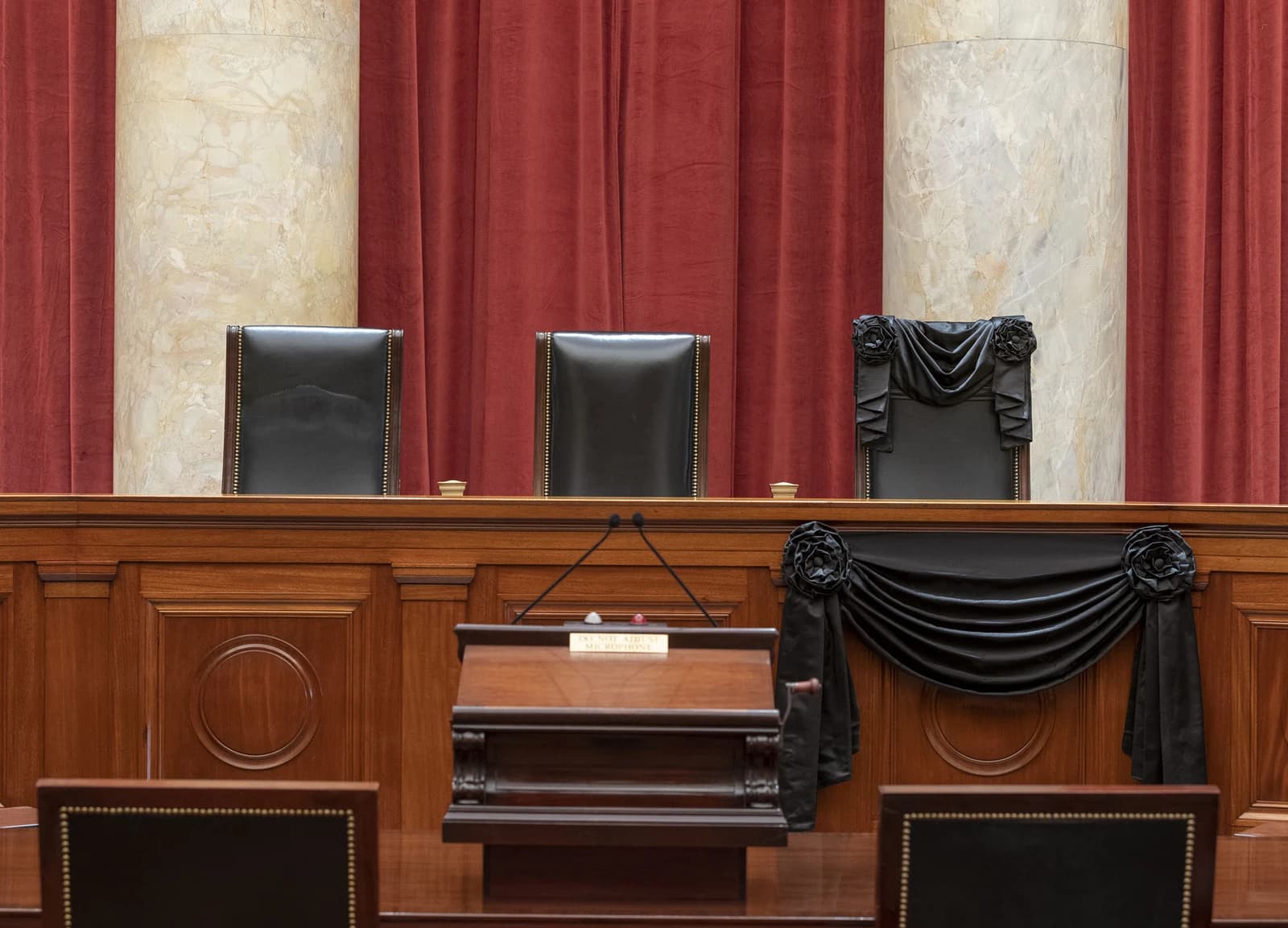
The most immediate market relevance comes from a climate damages case involving a major oil and gas producer and Boulder County, Colorado, which could determine whether local governments can seek compensation from big energy companies for economic losses tied to climate change. A ruling that broadens liability would raise legal costs and settlement pressure across the fossil-fuel sector, while a narrower ruling would limit a wave of municipal claims that investors have long treated as a tail risk.
Sentiment IndicatorsⓘProprietary · adalytica.com · October 5, 2026
This is a snapshot — live sentiment, awareness and momentum for 130+ markets update continuously in the dashboard.Open AlphaPulse
The justices are also due to weigh several Trump-era disputes, including the president’s defamation fight with writer E. Jean Carroll, the mass cancellation of federal research grants, the Department of Government Efficiency’s record-keeping practices and the ban on transgender Americans serving in the military. The court is separately set to hear arguments on Trump’s immigration policies, including mandatory detention and efforts to deport migrants to third countries.
For investors, the session matters because Supreme Court decisions can quickly alter cash flows, compliance costs and policy risk across energy, health care, defense and higher education. The court is expected to hear 28 cases in the term ending in June, and several carry potential ripple effects for regulated industries already facing tighter margins and heavier litigation exposure.
The lineup also includes a Second Amendment challenge to state restrictions on AR-15-style rifles and a case over whether religious preschools receiving taxpayer funding can refuse to enroll children of same-sex couples, underscoring how the court’s term could influence everything from consumer behavior to public spending and state-level regulation.
Market gauges point to a broader risk backdrop that remains sensitive to legal and political shocks. Adalytica’s U.S. Congressional Gridlock Sentiment is in neutral territory, while its S&P 500 Trade Signals show greed even as awareness remains at extreme fear, a mix that suggests investors are still willing to price in upside but remain alert to policy-driven volatility.
The Supreme Court’s conservative majority includes six justices, and the term opens after Trump renewed his criticism of the bench, including comments that he regretted appointing some of the justices he selected in his first term. That political tension raises the stakes for decisions that could define the legal boundaries of his second-term agenda and shape risk premiums in sectors exposed to federal power.
| Entity | Gains | Losses |
|---|---|---|
| Oil and gas producers | ▲Limits climate-liability exposure | ▼Municipal damage claims |
| Trump administration | ▲Scope clarified on policy fights | ▼Broad injunctions challenged |
| Defense and gun-rights groups | ▲Potential rollback of gun limits | ▼AR-15 restriction supporters |
| Religious schools | ▲Funding without enrollment mandates | ▼Same-sex parent advocacy groups |