Samuel Alito is leaving the door open to retirement, and that makes the next Supreme Court vacancy one of the most consequential political prizes in Washington.
Alito retirement talk raises Supreme Court succession risk
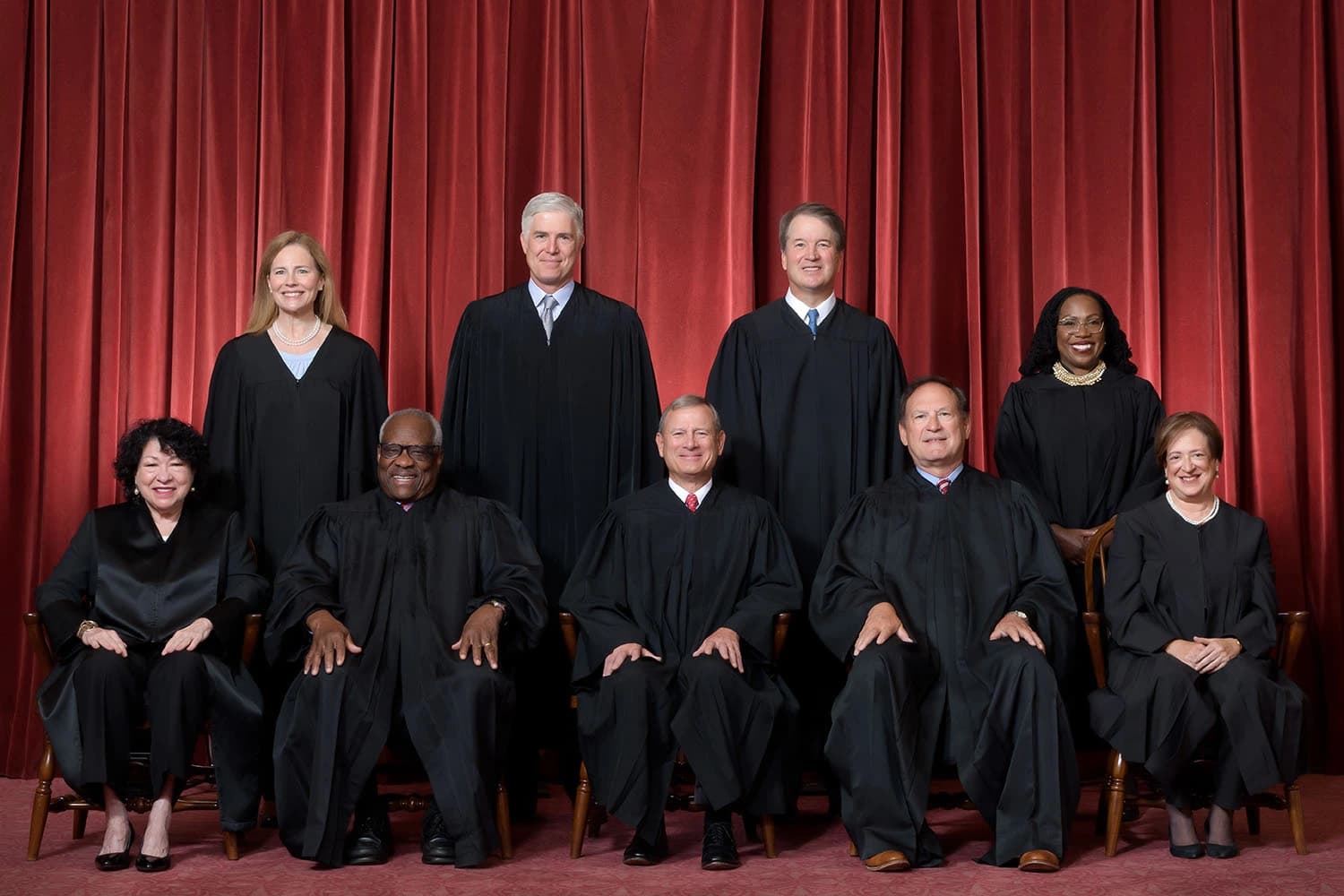
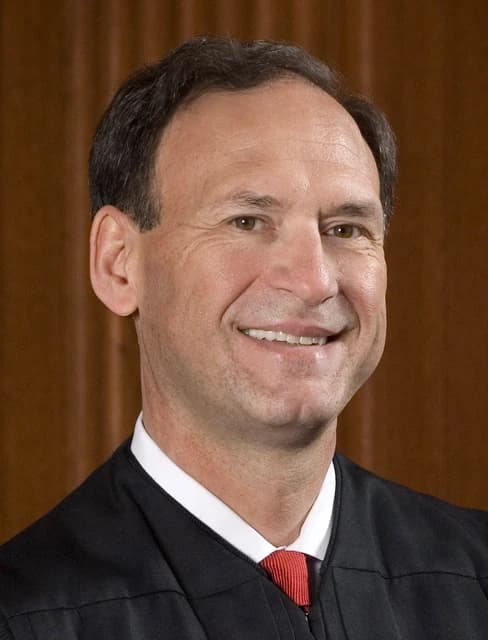
In a rare CBS interview, the 76-year-old conservative justice said he thinks he has to consider retiring “every year” at his age, after saying he thought about stepping down when the court’s term ended in June. For investors and policymakers, the significance is not the personal timetable itself but what it could mean for the ideological balance of a court that has repeatedly shaped the rules governing business, regulation, energy, abortion and executive power.
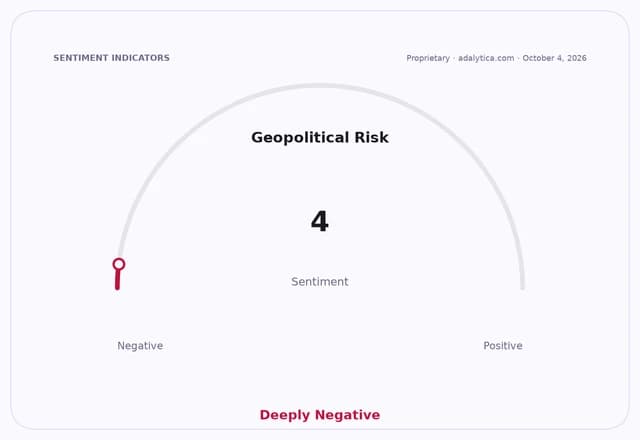
Sentiment IndicatorsⓘProprietary · adalytica.com · October 4, 2026
This is a snapshot — live sentiment, awareness and momentum for 130+ markets update continuously in the dashboard.Open AlphaPulse
A retirement would almost certainly give the president who nominates Alito’s successor a chance to lock in a younger conservative justice for decades. If Donald Trump or another Republican were in office, the replacement would likely preserve the court’s 6-3 conservative majority. That matters far beyond legal circles because the court has become a gatekeeper for some of the biggest economic questions in the country: the reach of federal agencies, the durability of climate rules, abortion access, gun policy and the power of presidential administrations to move markets through regulation.
The market reaction is less about a single stock than about the policy backdrop investors have to price over time. A more durable conservative majority tends to favor business-friendly rulings on regulatory limits, which can help sectors exposed to federal oversight such as energy, financials and industrials. At the same time, it can extend legal uncertainty for industries tied to environmental, health-care and labor rules, where Supreme Court decisions often decide whether new regulations survive. That kind of uncertainty is one reason investors watch the court almost as closely as Congress.
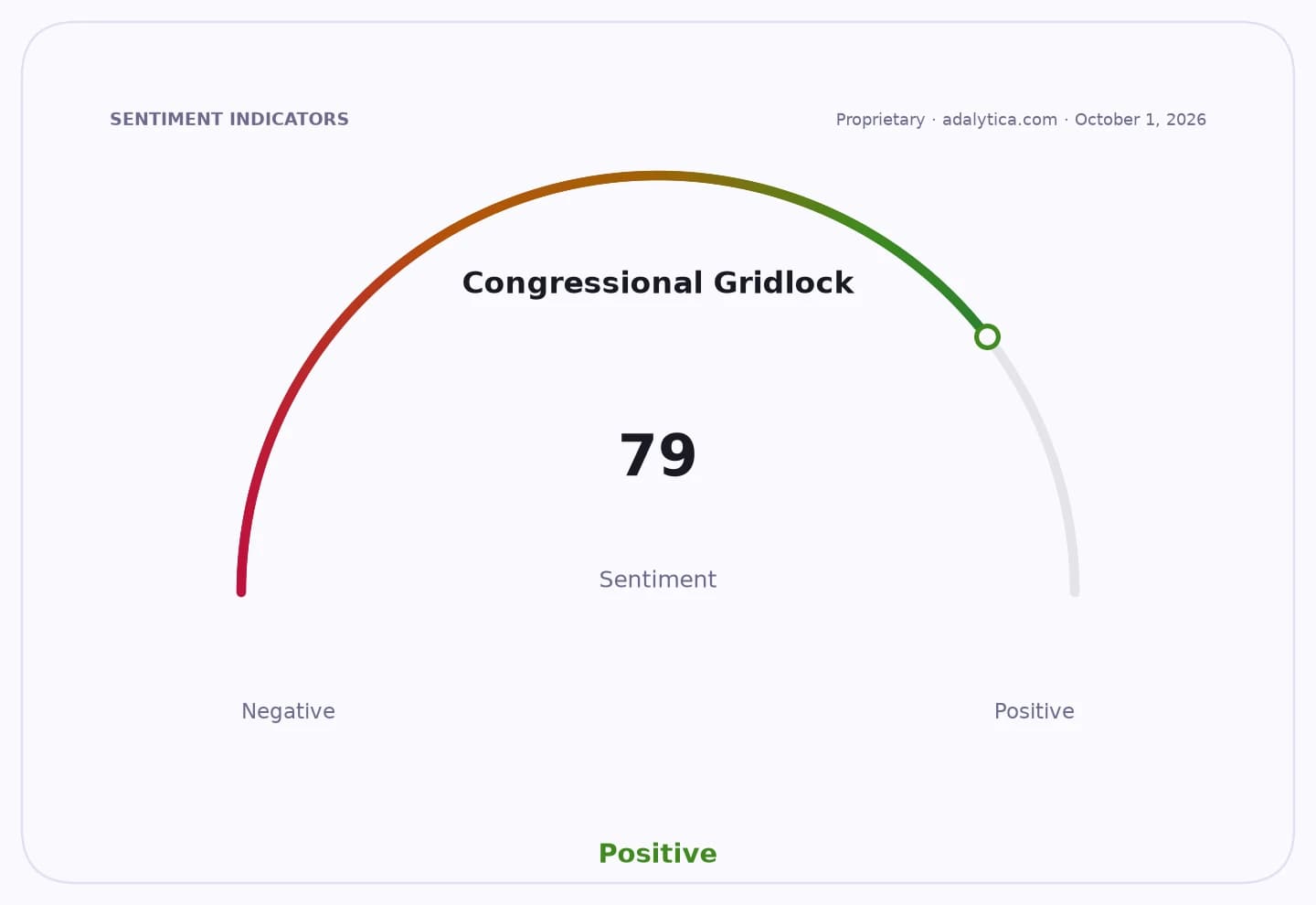
Congressional Gridlock — 30-day sentimentadalytica.com
Explore this data interactively — full history, time series and cross-market comparisons.Open AlphaPulse
Alito’s comments also underline how much the court’s future may hinge on timing. He pointedly declined to say whether he was bound by any one political cycle, noting that “it’s too hard to predict” what the situation will be a year or two from now. That leaves Republicans and Democrats alike gaming out succession scenarios, especially with fellow conservative Justice Clarence Thomas, 78, also facing retirement speculation.
The issue comes after a wave of public attention around Alito this year, including a hospital visit that prompted speculation about his plans. He returned to work after being treated for dehydration, but the episode reminded Washington that the court’s composition can change quickly and with enormous consequences. Trump appointed three justices during his first term, helping cement the court’s conservative majority. A fourth pick would deepen that legacy and could shape the law for a generation.
There is also a practical investor angle: the court’s decisions affect the rules that determine corporate costs, the pace of approvals, and the boundaries of shareholder and consumer lawsuits. In a market already sensitive to regulation, taxes and election risk, a retirement by Alito would intensify the premium investors assign to political and judicial uncertainty. That is especially true for companies tied to fossil fuels, pharmaceuticals, banks and large-cap industrials, where litigation and regulatory exposure can change earnings trajectories.
For long-term investors, the lesson is not to trade every rumor around a justice’s health or retirement. It is to understand that Supreme Court turnover can matter as much as an election because it can outlast one. If Alito steps down, the next nominee will become part of the structural backdrop for years, and that makes the court a factor worth watching alongside inflation, rates and corporate profits.
| Entity | Gains | Losses |
|---|---|---|
| Republican appointees | ▲Better odds of another conservative seat | ▼Fewer chances if timing slips |
| Democratic lawmakers | ▲Stronger case for mobilizing voters | ▼Risk of a harder ideological shift |
| Business-heavy sectors | ▲More limits on regulation | ▼Less predictability if court fights drag |
| Liberals and advocacy groups | ▲Opportunity to press for security and reform | ▼Risk of a deeper conservative majority |