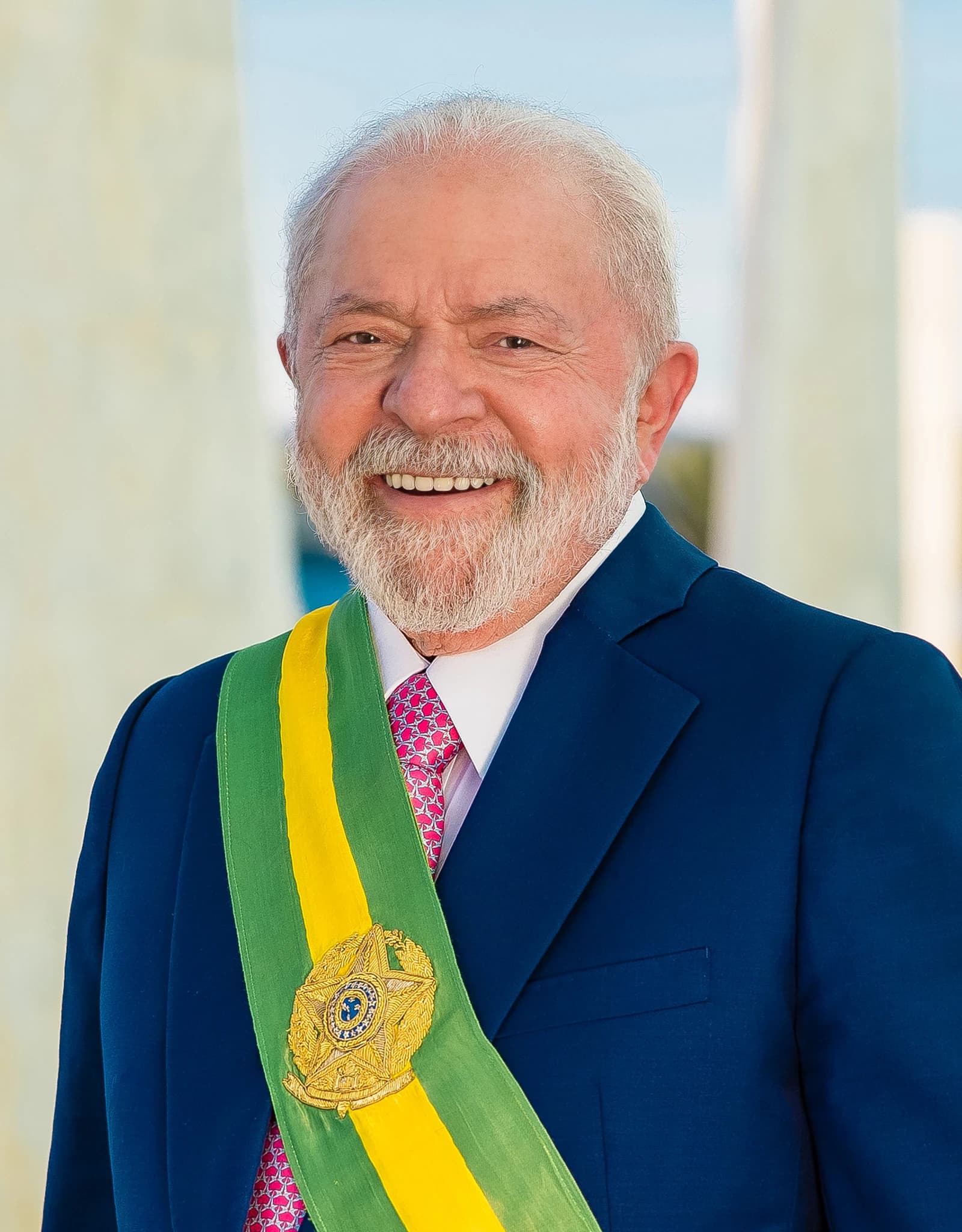
Brazil’s Supreme Court crisis is now spilling into the political calculus around who fills a vacant seat on the bench, and that could delay or even derail President Luiz Inácio Lula da Silva’s plan to push Jorge Messias back to the Senate.
Brazil Supreme Court dispute delays Messias nomination

That matters because appointments to Brazil’s top court are not just constitutional housekeeping. They shape how the country handles corruption probes, executive power, and politically charged investigations for years, with consequences for investor confidence, the rule of law and the stability of policy-making in Latin America’s largest economy.
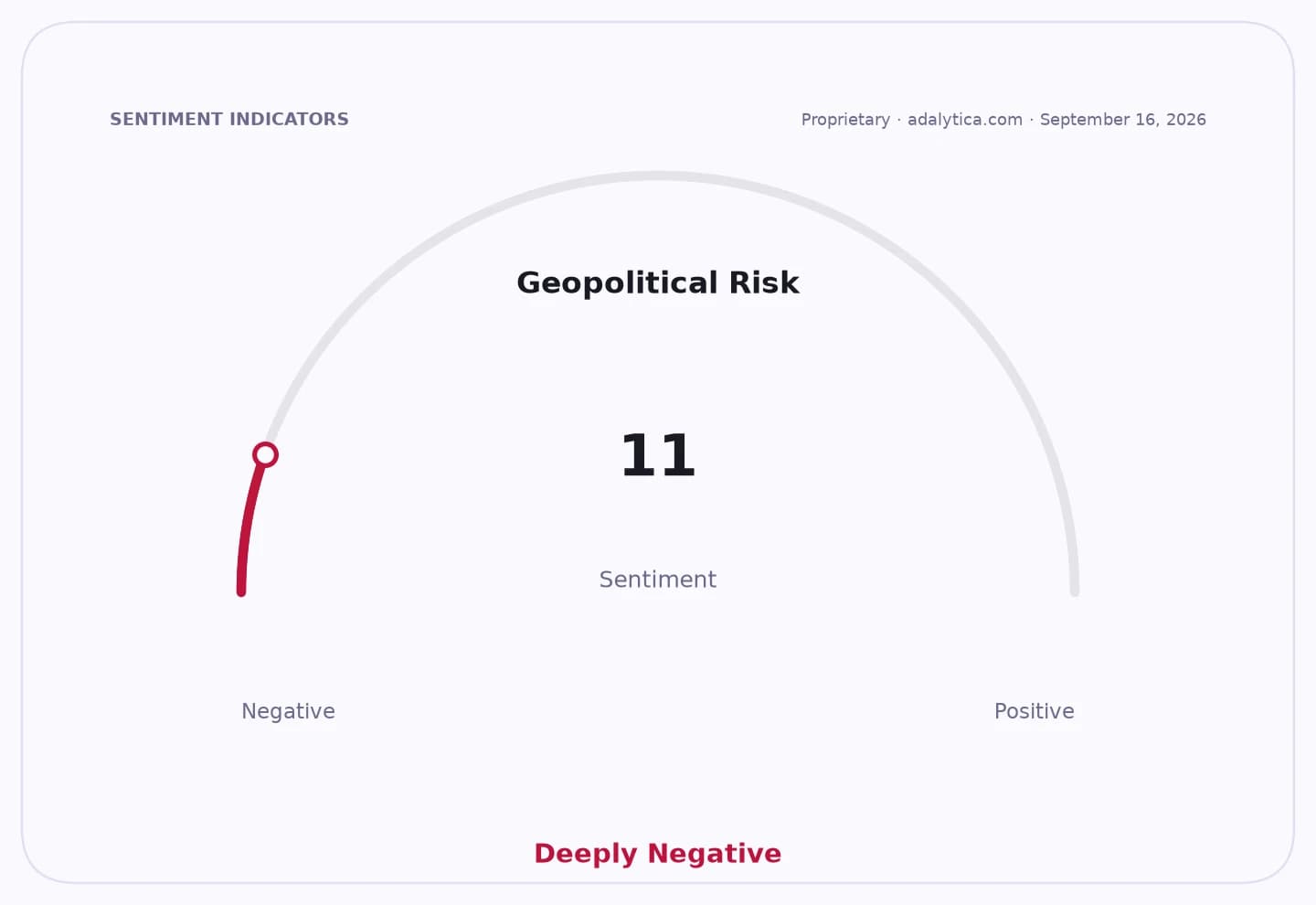
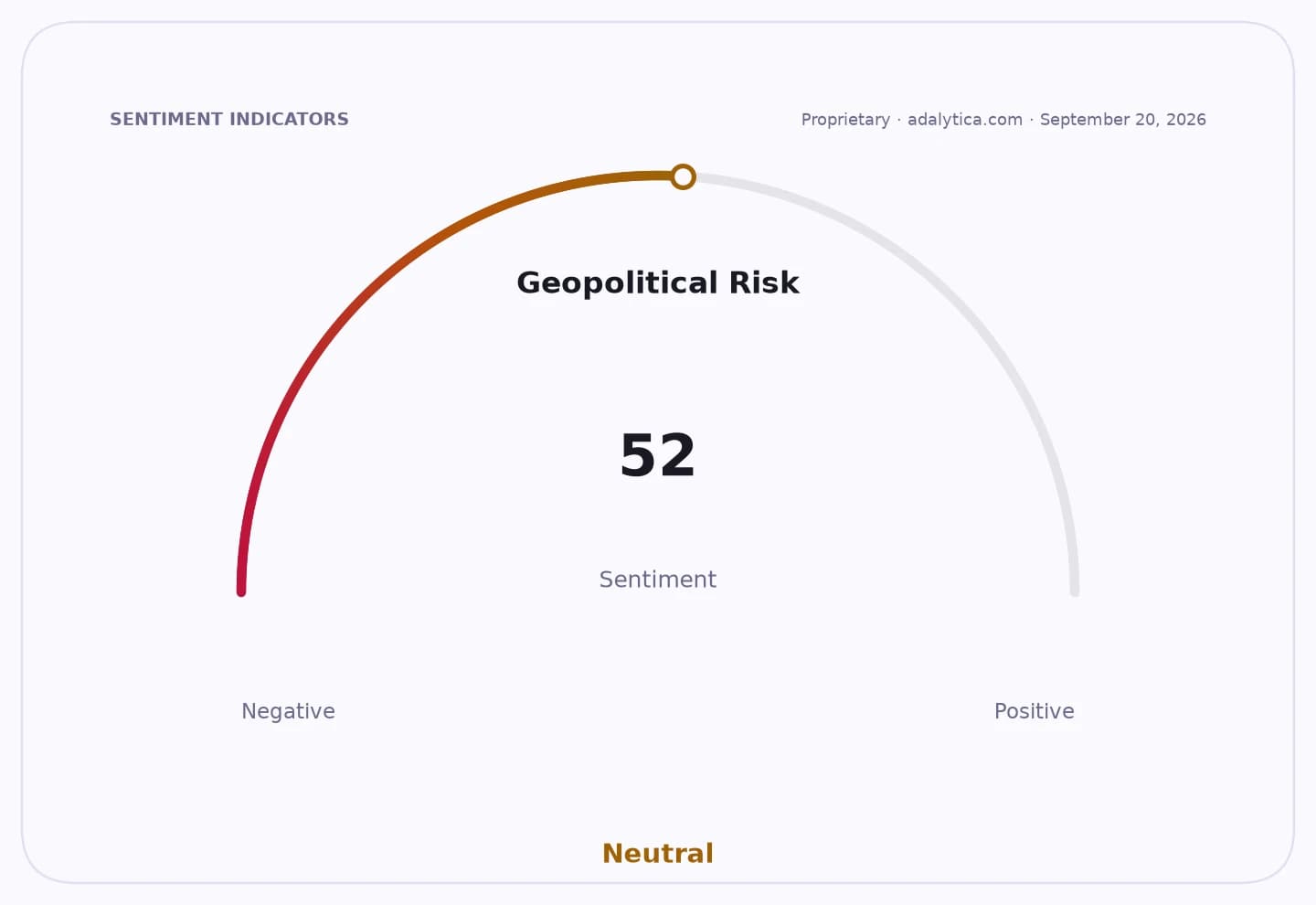
Sentiment IndicatorsⓘProprietary · adalytica.com · September 7, 2026
This is a snapshot — live sentiment, awareness and momentum for 130+ markets update continuously in the dashboard.Open AlphaPulse

Messias, Lula’s solicitor general, was already rejected by the Senate in April after a campaign led by Senate President Davi Alcolumbre and backed by some Supreme Court justices. Now the court’s internal rift has made him a more complicated choice at exactly the wrong moment. Allies of Lula are said to be urging the president to “sacrifice” Messias for now and wait until after a possible re-election, while other names — including Judge Ricardo Couto — are getting more attention.
The political sensitivity is easy to see. Critics inside Lula’s orbit worry that Messias is too closely aligned with Justice André Mendonça, who sits in a different camp from the bloc associated with Alexandre de Moraes, Flávio Dino, Cristiano Zanin and Gilmar Mendes. In Brazil, where the Supreme Court often sits at the center of the country’s most consequential disputes, even the perceived balance of factions on the bench can affect how markets view institutional predictability.

The timing is especially awkward because the new tensions were sharpened by messages involving Daniel Vorcaro and Moraes, plus a request for an investigation against Mendonça. That has widened the crisis inside the court and made Lula’s advisers more cautious about reigniting a fight over a nomination that already failed once. For investors, the concern is not the name itself so much as what the fight says about Brazil’s governance environment.
There is also a practical market angle. Brazil assets tend to respond badly when institutional uncertainty rises, especially when courts and politics collide. The EWZ Brazil ETF, for example, has recently been trading with an elevated relative strength index and above its 50-day moving average, but that kind of momentum can be fragile if judicial conflict deepens. The long-term case for Brazil still rests on commodities, banks, and domestically oriented businesses with real earnings power, yet those businesses do best when the legal and political framework is steady.
The bigger lesson for long-term investors is that Brazil’s equity story often turns less on one headline than on whether institutions can absorb stress without breaking trust. If Lula shelves Messias and chooses a less divisive path, that may help calm one source of friction. If he pushes ahead anyway, the Senate and the court could drag the issue into another round of confrontation.
For now, investors should treat this as a reminder to stay diversified and patient. Brazil’s market can still reward those willing to own the country over a multiyear horizon, but judicial instability is exactly the kind of risk that can keep valuations from fully reflecting the underlying opportunity. Worth watching, not chasing.
| Entity | Gains | Losses |
|---|---|---|
| Lula allies | ▲Delay a Senate fight | ▼Lose a preferred nominee |
| Jorge Messias | ▲Future nomination chance | ▼Near-term confirmation odds |
| STF hardliners | ▲Preserve current balance | ▼Face deeper public scrutiny |
| EWZ investors | ▲Potential entry on dips | ▼Higher institutional risk |