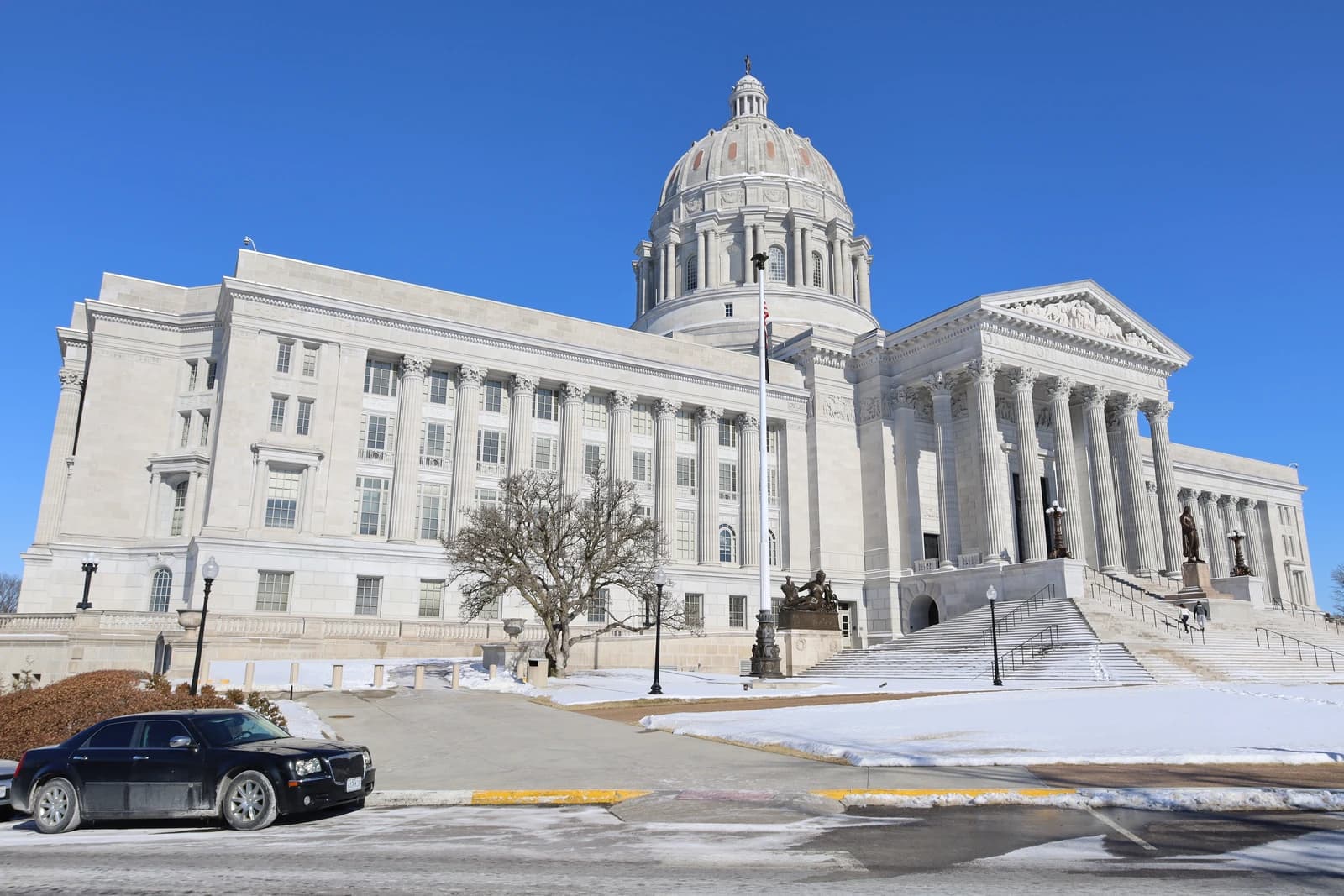
The US Supreme Court’s latest rejection of Missouri’s Trump-backed congressional map keeps the state’s 2022 boundaries in place for November and stops Republicans from trying to turn a redraw into a seventh House seat before voting is already under way.
Missouri Supreme Court Blocks New Congressional Map
That matters because Missouri is one of the few states where a redistricting fight could still have shifted the balance in the closely divided House, and the court’s decision removes a late-cycle source of electoral uncertainty for more than 1 million voters who were moved between districts under the new map. With absentee voting already begun, the ruling also avoids the practical chaos that would have come from forcing counties to switch district lines after ballots were in circulation.
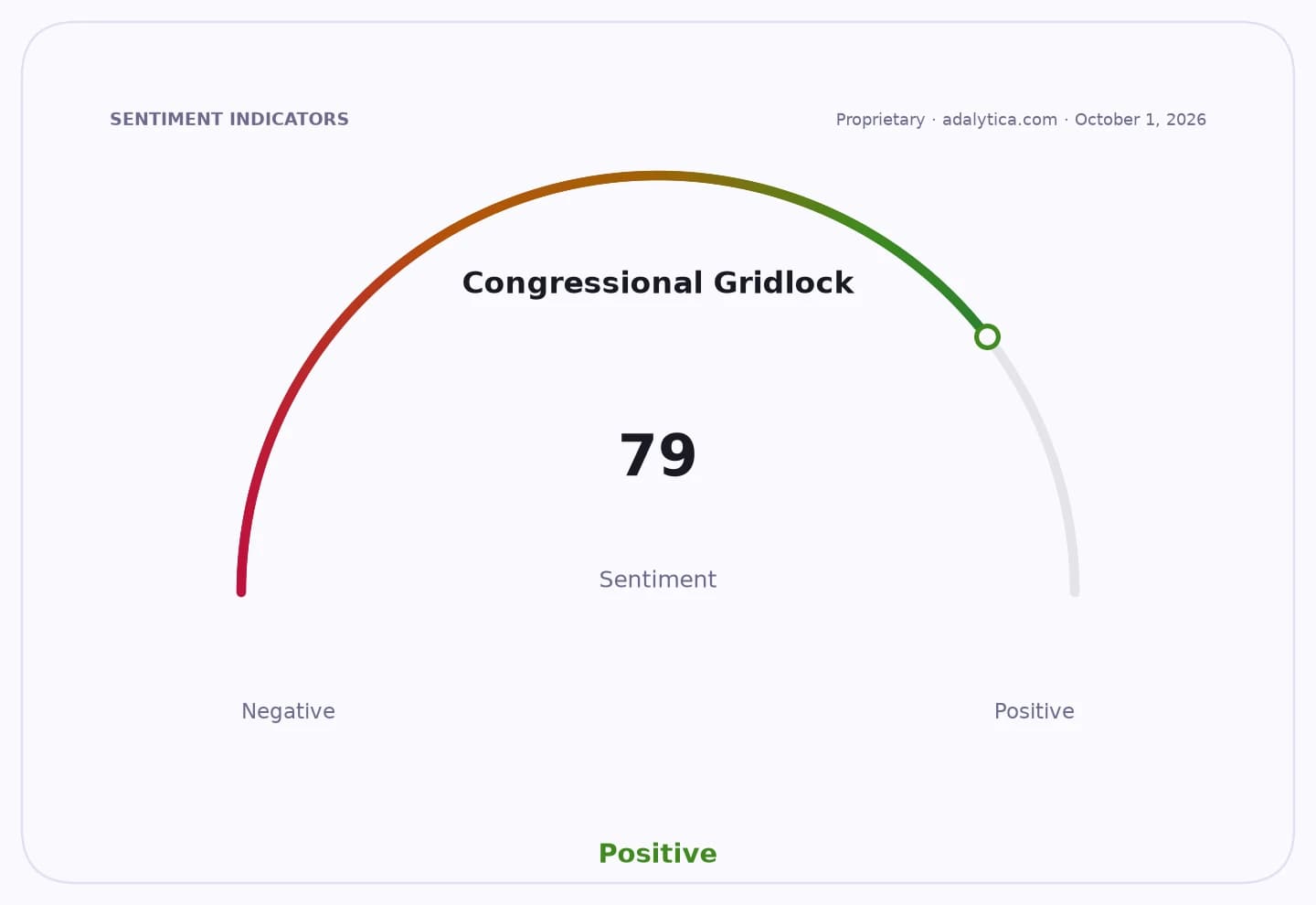
Sentiment IndicatorsⓘProprietary · adalytica.com · October 1, 2026
This is a snapshot — live sentiment, awareness and momentum for 130+ markets update continuously in the dashboard.Open AlphaPulse
The decision leaves intact a Missouri Supreme Court ruling that said a citizen petition blocked use of the revised map unless voters approve it in a November referendum. It is the third time the US Supreme Court has stepped in to prevent the new map from taking effect, underscoring how the court has become the final arbiter in a dispute that has already produced at least 16 state and federal lawsuits.
For Republicans, the loss is a setback to a broader Trump-backed redistricting push aimed at converting a 6-2 House delegation into a 7-1 edge. The revised map had reworked Democrat Emanuel Cleaver’s Kansas City district and shifted roughly 59% of the potential voters in that seat, according to an Associated Press estimate. By restoring the old lines, the court preserves a district structure that is less favorable to the GOP and keeps the November contest closer to the 2022 and 2024 playing field.
For investors, the direct market impact is limited, but the ruling matters in the same way other election-law fights do: it reduces one source of event risk in a year when control of Congress will shape tax policy, spending, regulation and the odds of legislative gridlock. The latest move also feeds into a broader political backdrop of higher uncertainty around US governance, which is reflected in Adalytica’s US Congressional Gridlock Sentiment gauge, even as the immediate court action lowers the chance of a late ballot dispute in Missouri.
The bear case for Republicans is that the ruling freezes a map they had hoped would strengthen their hand in the midterms and signals that mid-decade partisan redraws can still be stopped by state-law challenges and voter referendums. The bull case for Democrats is stronger: the decision preserves a familiar district map, reduces confusion for absentee voters and keeps a potentially seat-changing Republican gain off the table.
The next catalyst is Missouri’s November referendum on the map, though Friday’s ruling means that vote no longer determines the districts used this fall unless the legal picture changes again. For now, the practical outcome is clear: Missouri will head into the midterms under the same congressional boundaries it used in 2022 and 2024, and Republicans will have to look elsewhere to make up ground.
| Entity | Gains | Losses |
|---|---|---|
| Missouri voters | ▲Clearer ballots | ▼Redistricting confusion |
| Democrats | ▲Preserve existing districts | ▼Lose GOP map challenge |
| Republicans | ▲Avoid election chaos | ▼Missed seat-gain chance |
| Supreme Court status quo | ▲Legal certainty | ▼Pressure for new map |