Trump has regained a narrow advantage among rural voters, giving Republicans a modest but potentially important boost as they try to lock in turnout ahead of the election.
Trump gains rural voter support in Echelon poll
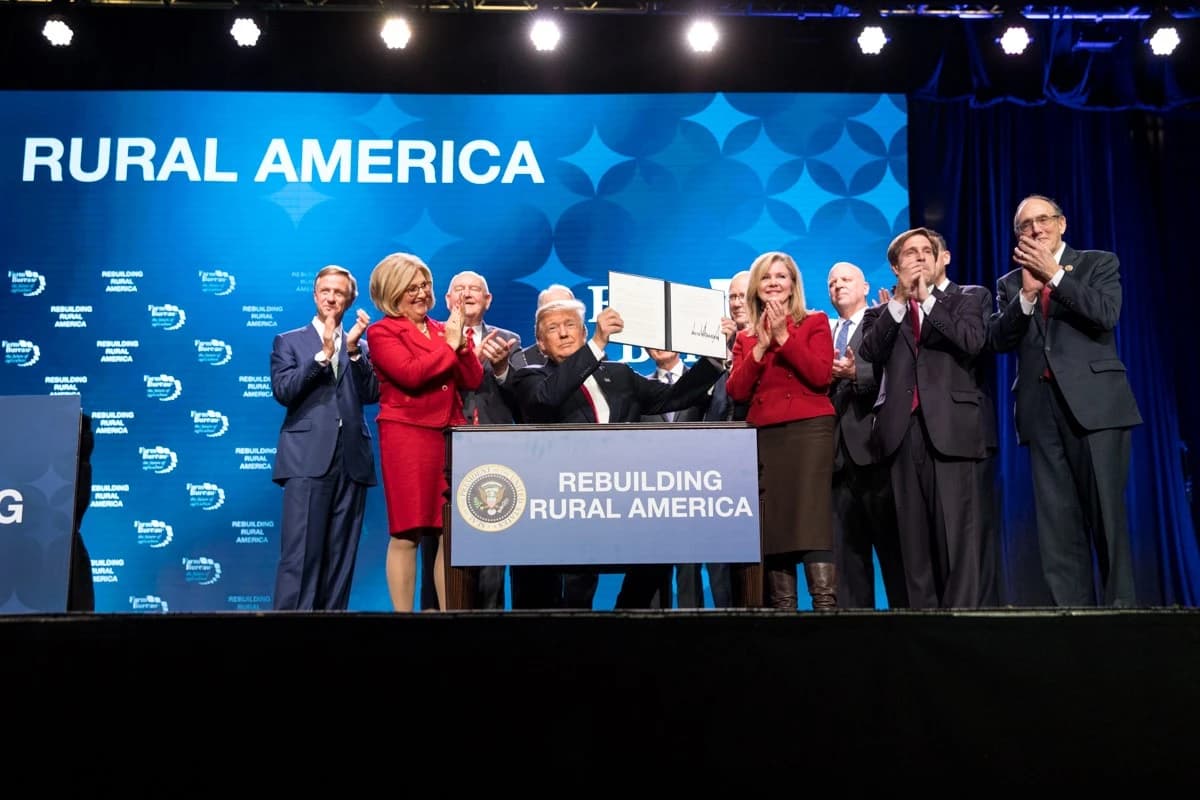
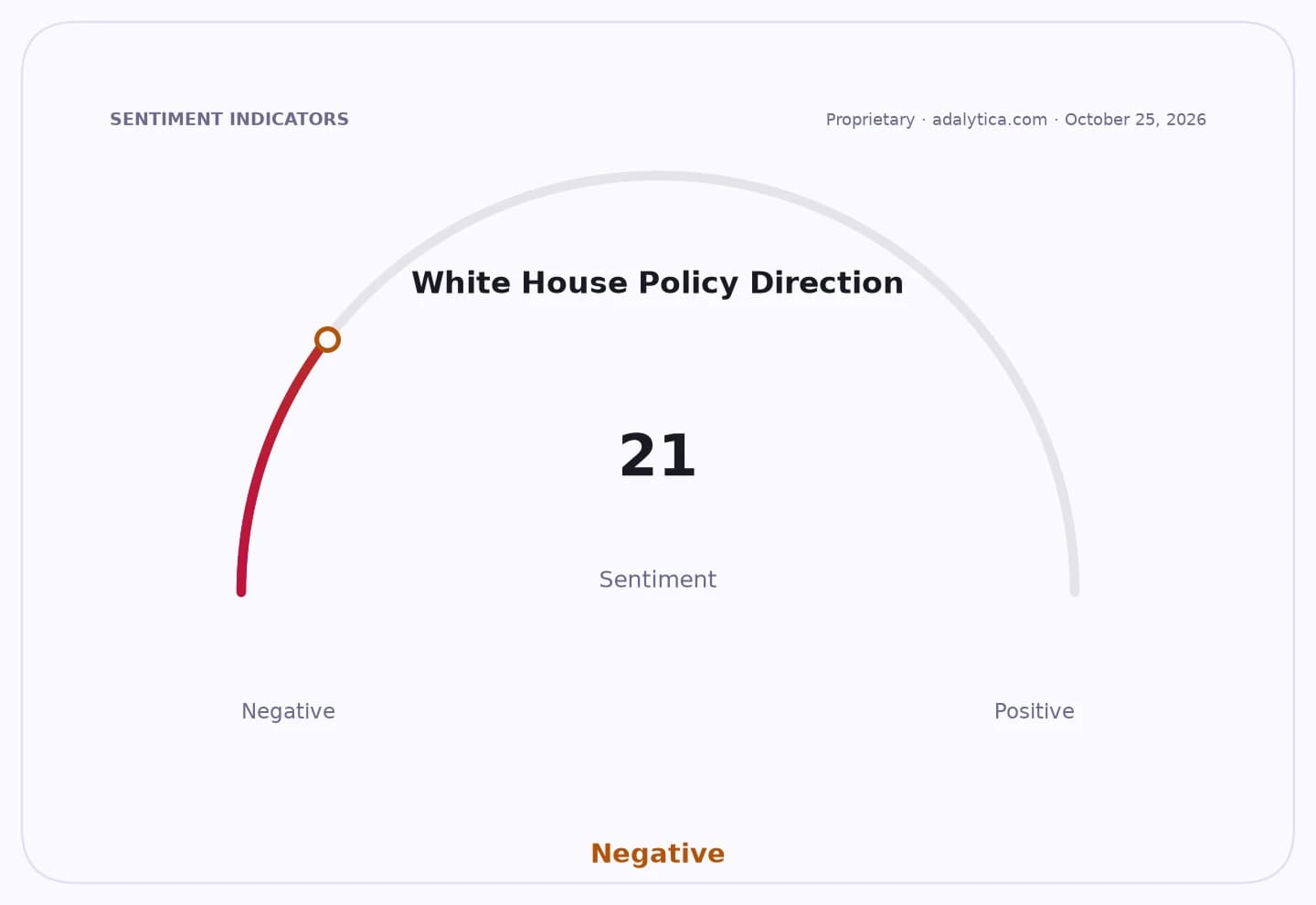
That shift matters less as a verdict on the president than as a signal that the party is back on firmer ground in the counties that often decide close races. The Echelon Insights poll, conducted Oct. 15-19 and summarized by Newsweek, showed Trump’s approval among likely rural voters moving to 50%, with supporters outnumbering opponents by one point after a weaker September reading. In a national context, however, the picture remains bleak: 39% approve of Trump’s performance while 60% disapprove.
Sentiment Indicators
The economic backdrop is doing more to shape voter mood than ideology alone. Cost of living was the top issue for 33% of respondents, underscoring the pressure of higher prices on households even as the labor market stays relatively stable. The same survey found just 35% approving of Trump’s handling of the economy, against 62% who disapprove, suggesting that rural voters may be willing to separate personal affinity for the president from their view of broader economic management.
For Republicans, the practical question is whether that improvement translates into votes in competitive races. Rural support can matter disproportionately in states such as Iowa, Kansas and Alaska, where turnout gaps and small shifts in participation can alter congressional outcomes. But the survey also shows the limits of reading too much into presidential approval alone: voters may back Trump and still support a different congressional candidate, or stay home if their economic frustration outweighs their partisan loyalty.
That turnout risk is critical because the latest data point to enthusiasm as much as preference. Separate KFF/AP polling in August found that 79% of rural Republicans satisfied with Trump’s economic stewardship were certain to vote, compared with 59% of those dissatisfied. The samples are not directly comparable, but the pattern is clear: approval helps Republicans most when it converts into actual participation.
The numbers still call for caution. Echelon’s national sample covered 1,010 voters, with a margin of error of 3.6 percentage points for the full survey and wider uncertainty in subgroups. That means the rural bounce is best read as a helpful but fragile indicator, not evidence of a durable realignment.
For investors and markets, the relevance is indirect but real. A stronger Republican turnout operation could improve the odds of policy continuity on taxes, regulation and agriculture-related priorities, while any Democratic gain would raise the risk of a more interventionist legislative backdrop. The bigger story, though, is that rural dissatisfaction has not fully hardened into an anti-Trump vote — a development that gives Republicans a tactical edge, even if it leaves the broader economic mood unfavorable.
| Entity | Gains | Losses |
|---|---|---|
| Republicans | ▲Better rural turnout prospects | ▼Still face weak national approval |
| Democrats | ▲Lead in national vote preference | ▼Weaker traction in rural areas |
| Rural Trump supporters | ▲Stronger political influence | ▼Still burdened by cost-of-living stress |
| Markets | ▲Greater policy continuity odds | ▼More election uncertainty if turnout shifts |