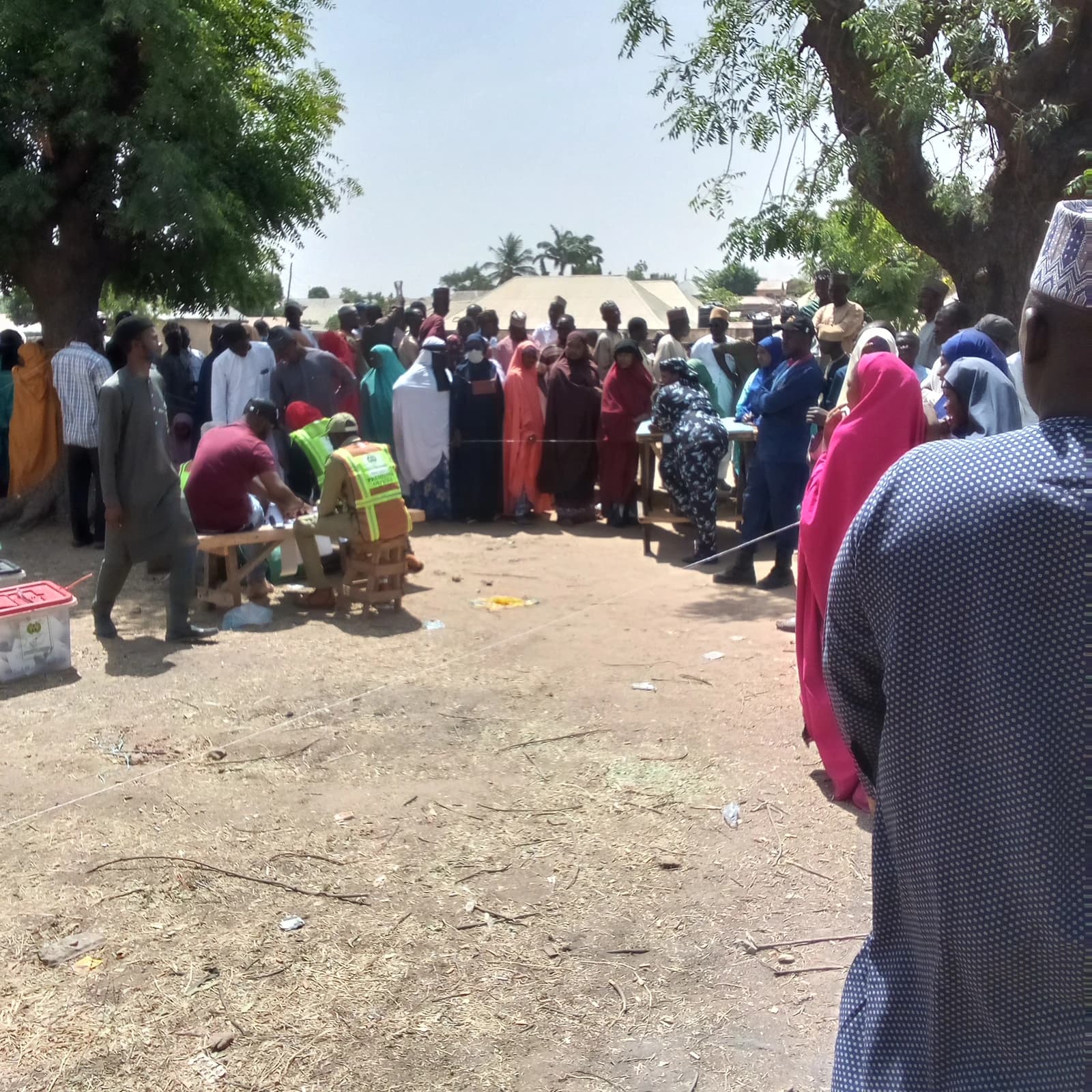
India’s Election Commission has acknowledged a serious voter-roll error in Uttar Pradesh, intensifying scrutiny of the integrity of electoral lists in the country’s most politically important state just as officials widen a special revision of rolls across 17 states and union territories.
India Election Commission flags Uttar Pradesh voter-roll error
The admission matters because voter lists are the plumbing of India’s democracy: mistakes can alter turnout, disenfranchise existing voters and, in tightly contested seats, affect outcomes. In Pilibhit Sadar alone, the Congress says more than 16,000 voter records were manipulated or misclassified in a constituency where the Bharatiya Janata Party’s Sanjay Gangwar won by 6,930 votes last time. That scale is large enough to matter not only politically but legally, because it gives the opposition a factual basis to challenge both local administration and the broader verification process.
Sentiment Indicators
Uttar Pradesh’s chief electoral officer, Navdeep Rinwa, has ordered action against officials and staff responsible for the irregularities and told all district election officers to submit reports within 48 hours. A computer operator at the voter registration centre has already been dismissed. Preliminary checks found that some voters’ identity card numbers, when searched online, showed other people’s details, a sign of either data-entry failure or deeper misalignment in the rolls.
The Congress has used the episode to argue that the error is not isolated. Rajendra Pal Gautam, a party general secretary, said 13,150 voter names were changed between July and September after the draft roll was published in April. The party alleges that 804 eligible residents were removed as “missing” and that about 2,600 people who did not live in the area were added improperly. If substantiated, those claims would point to both deletion and insertion errors — the two forms of manipulation that most directly erode confidence in an electoral register.
For investors, the immediate market impact is limited, but the institutional significance is broader. Persistent doubts about electoral administration can raise the political risk premium around Indian policy, especially when they intersect with state-level contests that shape national coalition arithmetic and reform momentum. India’s market story has increasingly rested on stability, policy continuity and the credibility of institutions; repeated roll errors work against that narrative even if they do not trigger a direct financial repricing on their own.
The timing also matters. The Election Commission’s wider special revision across 17 states and union territories shows the issue is not being treated as a single-district lapse. That widens the stakes for India’s electoral machinery, which is under pressure to prove that it can maintain clean registers in a more mobile, digitally managed and politically polarized environment. The controversy follows similar election-administration failures elsewhere, underscoring that operational errors — not just political disputes — are becoming a recurring source of legitimacy risk.
The next test is whether the commission’s review produces a transparent correction process or a series of piecemeal fixes. If authorities can quickly reconcile the rolls and identify responsibility, the damage may remain local. If not, the episode risks feeding a longer challenge to election credibility in India’s largest state and complicating the political backdrop ahead of future polls.
| Entity | Gains | Losses |
|---|---|---|
| Election Commission of India | ▲Chance to tighten procedures | ▼Credibility damage |
| Congress | ▲Basis for legal challenge | ▼Limited immediate remedy |
| BJP/UP government | ▲If errors are corrected fast | ▼Seat-margin vulnerability |
| Voters in Pilibhit and other districts | ▲Potential roll cleanup | ▼Risk of disenfranchisement |