India’s ruling BJP is trying to engineer a parliamentary majority for a delimitation bill by peeling away opposition parties, a high-stakes effort that could reshape the country’s electoral map and strengthen the government’s grip on the legislature.
India BJP courts parties for delimitation bill votes
The move matters because delimitation — redrawing Lok Sabha constituencies after population changes — could alter the distribution of seats between fast-growing southern and eastern states and the more populous north, with major implications for future elections, coalition arithmetic and federal politics. The government currently lacks the numbers to guarantee passage of a constitutional amendment, but it is working to secure the two-thirds support needed in both houses.
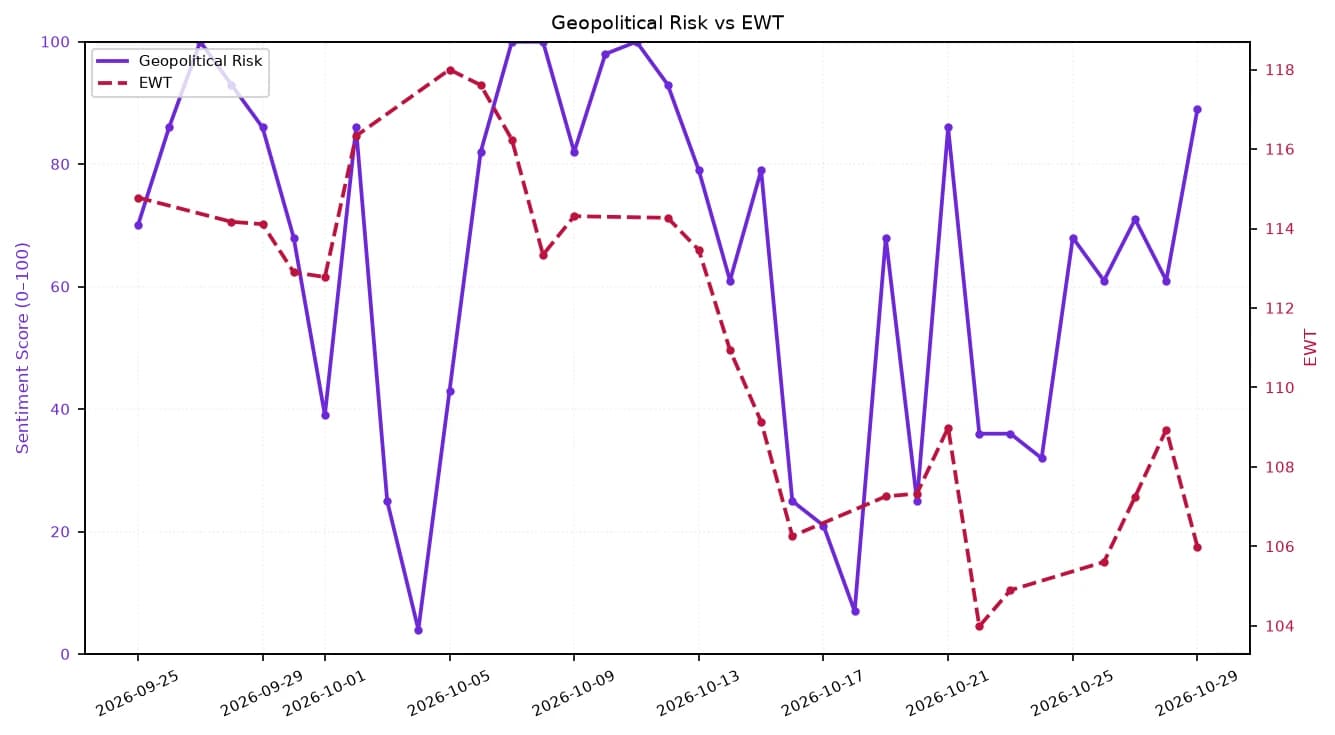
Sentiment Indicators
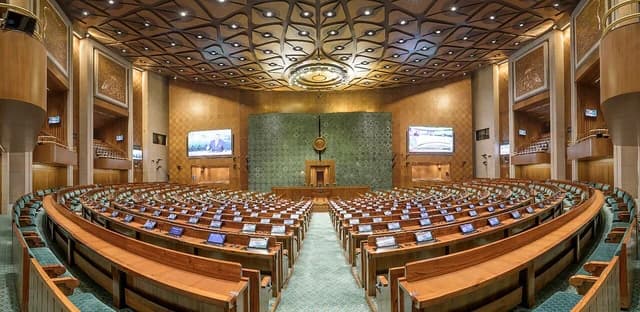
According to the figures cited in the local-language report, the NDA has around 320 MPs in hand in the 540-member lower house, where three seats are vacant, while a constitutional change would require 360 votes if all members are present and voting. In the Rajya Sabha, the alliance is said to have 158 backers against a threshold of 164. That gap explains why the BJP is sounding out a wide set of parties, including the DMK, Sharad Pawar’s NCP, Uddhav Thackeray’s Shiv Sena, Asaduddin Owaisi’s party, the BJD, YSRCP and even the Samajwadi Party, one of the bigger parties in the INDIA opposition bloc.
The report suggests the math could become more favorable if a cluster of regional parties shifts position. Taken together, that group controls 81 seats in the Lok Sabha and 23 in the Rajya Sabha. Added to the NDA’s existing support, the government could come close to, or exceed, the supermajority it needs for the bill. The article also points to signs of friction inside the opposition: DMK has indicated that staying aligned with Congress may become less practical after the Tamil Nadu election cycle, while the Samajwadi Party is uneasy over attacks from Congress-linked figures. YSRCP leader Jagan Mohan Reddy has also signaled second thoughts about earlier support for legislation tied to election commissioner appointments.
Economically, delimitation is not just a constitutional housekeeping exercise. It can shift the balance of power toward states with faster population growth, influence the allocation of central resources and alter the policy bargaining power of regional parties. For investors, that means the bill has implications for political stability, reform throughput and the durability of the current governing coalition. If the BJP succeeds, it would demonstrate a stronger capacity to manage parliament ahead of a special session or winter session vote. If it fails, the episode would underline the limits of its numerical reach and the fragility of support from smaller parties.
The timing is also crucial. The report says 30 October to 4 November could be decisive, and any delay would make the government’s agenda more difficult to advance. That creates a near-term political risk premium around the bill, even as market participants are likely to watch for broader signals on how far regional parties are willing to bargain with the Centre. For now, the story is less about one vote than about whether the BJP can convert parliamentary leverage into a constitutional change with long-term electoral consequences.
| Entity | Gains | Losses |
|---|---|---|
| BJP/NDA | ▲Easier passage of delimitation bill | ▼Less if coalition math slips |
| Regional parties | ▲Bargaining leverage in talks | ▼Risk of backlash from base |
| INDIA bloc | ▲None if ranks hold | ▼Potential seat loss and split votes |
| Southern states | ▲More representation if talks reshape terms | ▼Less influence if north gains seats |