India’s border friction with China has resurfaced in politically charged form after ITBP chief Shatrujit Kapoor acknowledged continued face-offs between Indian and Chinese troops in Arunachal Pradesh, sharpening scrutiny of New Delhi’s handling of the frontier.
India-China Border Tensions Resume in Arunachal Pradesh
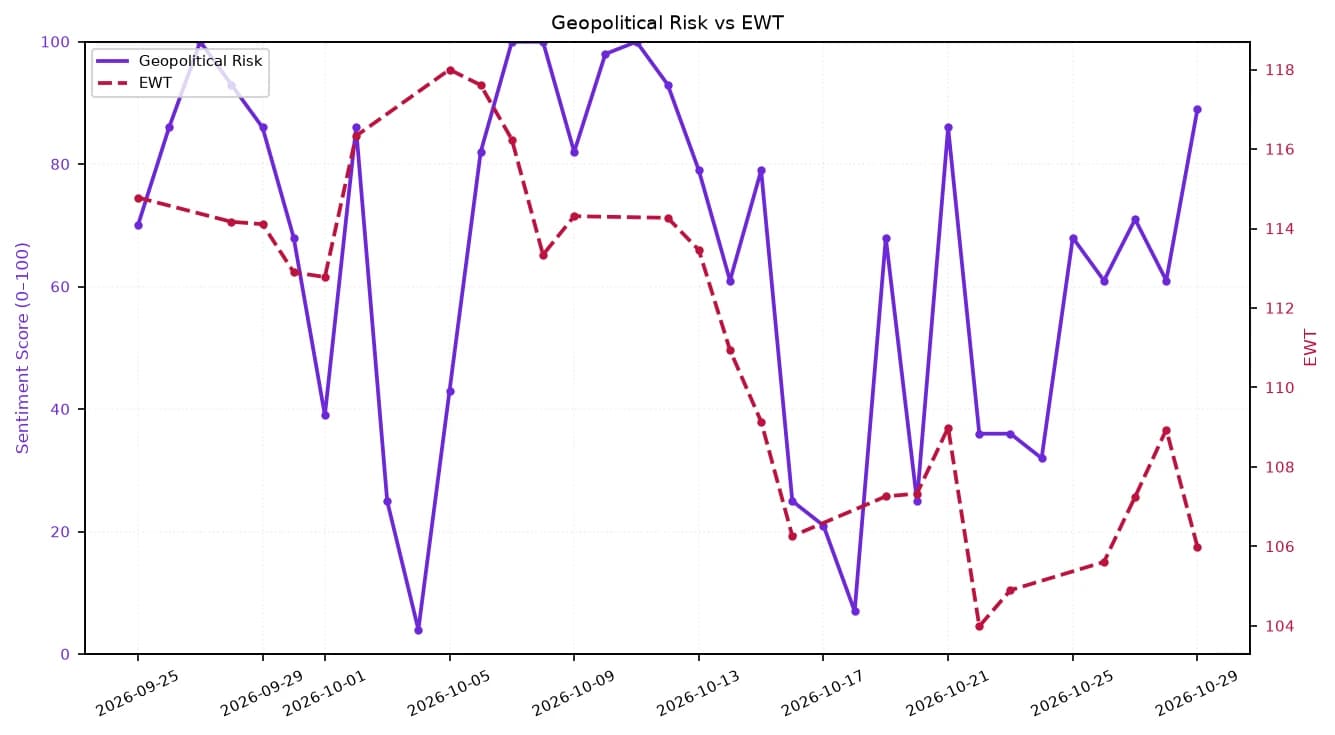
The admission matters because the eastern sector remains one of the most sensitive flashpoints in the India-China relationship, with any sign of recurring contact at the line of actual control raising the risk of escalation, complicating military deployments and keeping pressure on diplomacy. Kapoor said the recent standoffs have been occurring at multiple locations in Arunachal and that the Indo-Tibetan Border Police’s newly formed “Shaurya Commandos” are actively involved in managing them.
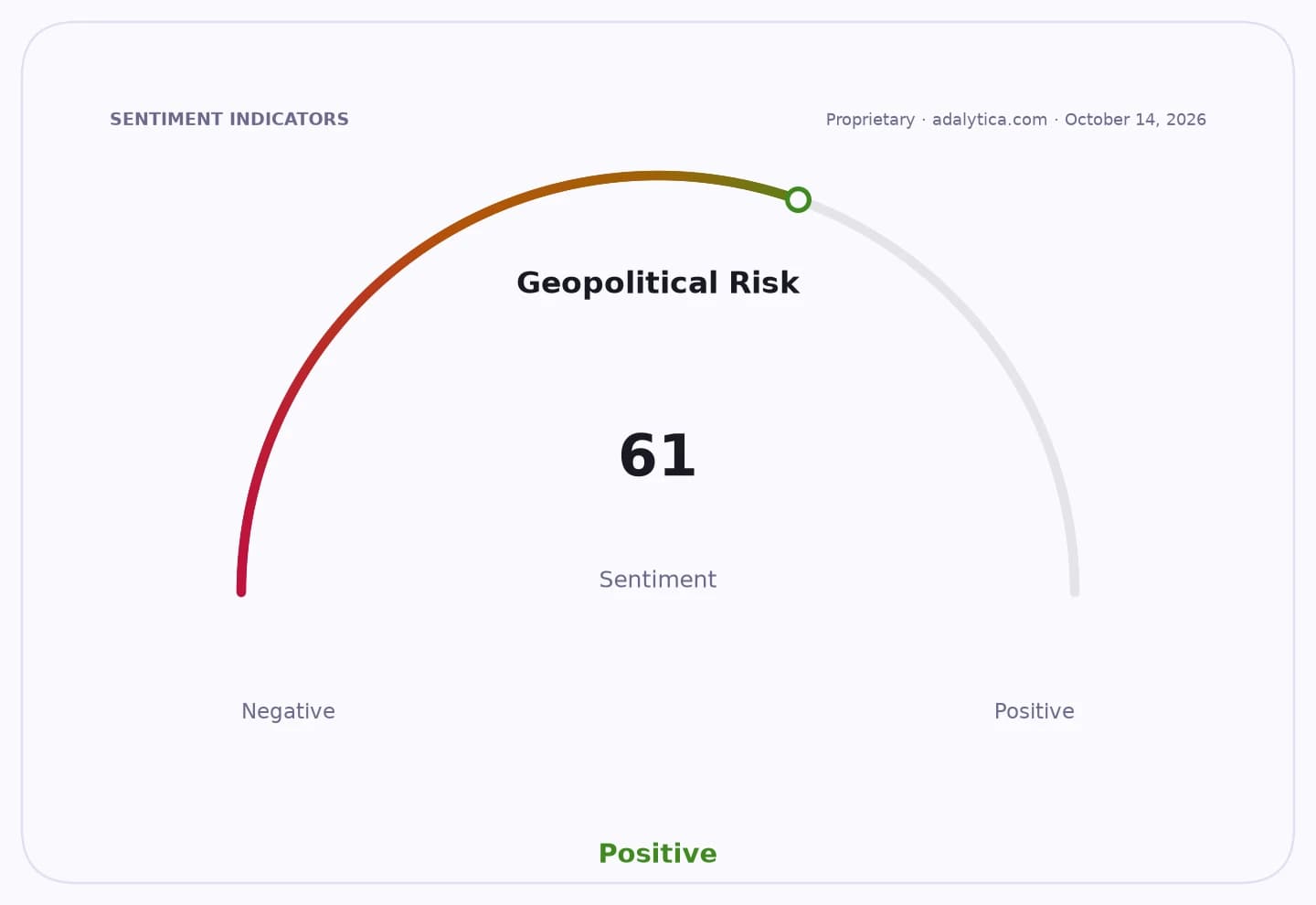
Sentiment Indicators
For investors, the immediate market impact is limited, but the geopolitical read-through is broader: sustained India-China tension can feed defense spending expectations, weigh on bilateral trade sentiment and keep a geopolitical premium embedded in Indian assets. It also keeps attention on infrastructure, logistics and security spending along the Himalayan border, where India has been accelerating hardening measures since the 2020 Galwan clashes.
The political fallout was swift. Congress leader Jairam Ramesh used Kapoor’s remarks to accuse the government of downplaying China’s activities and questioned Prime Minister Narendra Modi’s silence on the frontier. He also cited reports of a recent corps commander-level meeting after a skirmish in Taksing, saying locals believe Indian patrol points have been lost in the area.
China’s construction activity near the border, including place-name changes and a large dam project in the region, remains a separate source of friction that keeps the dispute live for both governments. Any renewed flare-up could revive domestic political pressure on Modi while reinforcing the case for higher border-security spending and a more cautious diplomatic stance toward Beijing.
| Entity | Gains | Losses |
|---|---|---|
| ITBP and border forces | ▲Greater focus on resources | ▼Higher operational pressure |
| Indian defense spend | ▲Budget support | ▼Fiscal strain |
| Congress | ▲Political attack line | ▼If tensions de-escalate |
| China-India ties | ▲— | ▼More strain and scrutiny |