Donald Trump’s accommodation of Vladimir Putin is colliding with a weakening domestic mandate and a midterm election that could strip him of congressional control.
Trump Russia Policy, Midterms, and Market Risks
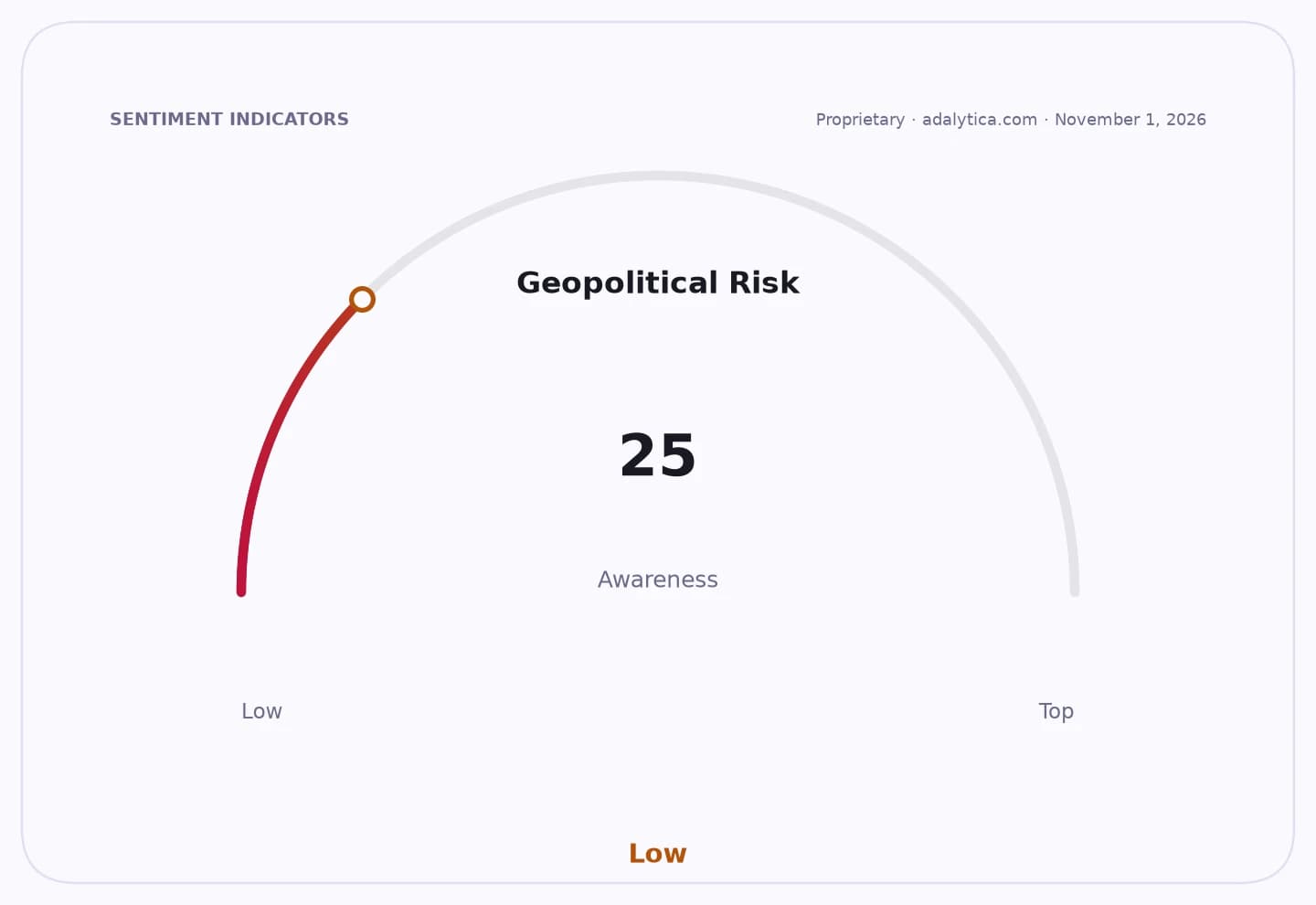
That matters far beyond Washington’s theater of personalities. It points to a U.S. president willing to trade away strategic consistency for a faster deal on Ukraine, while Europe is being pushed toward strategic autonomy and investors are left to price a world with less reliable American policy. The market implication is not abstract: sanctions risk, oil volatility, defense spending, the dollar, and the durability of the Western security umbrella all move when the White House looks this transactional.
Sentiment Indicators

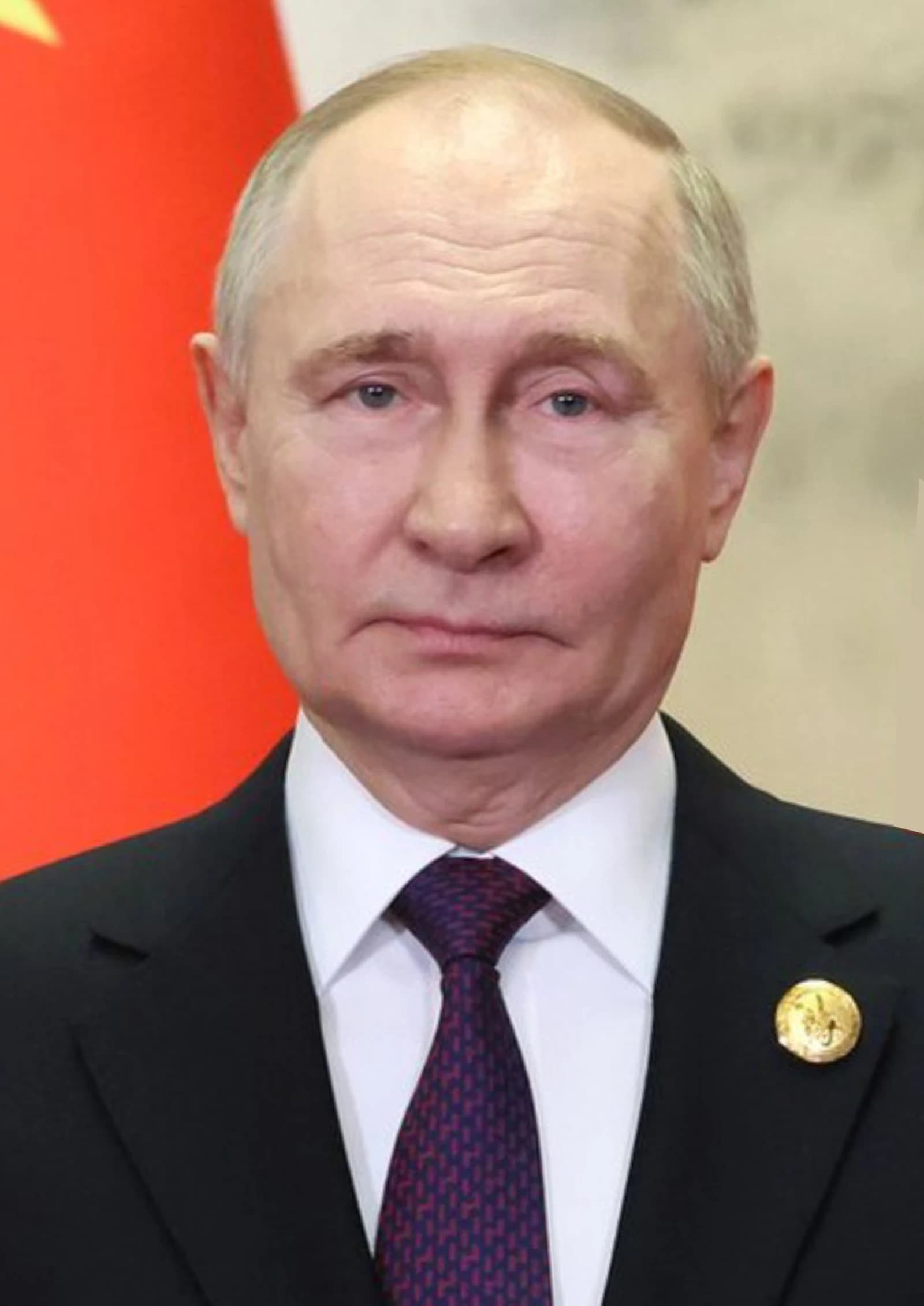
The central narrative is simple enough. Trump is treating foreign policy as a bargain, not an alliance architecture. The Czech political scientist Tomáš Klvaňa says Trump wants a personal deal with Putin and would happily sacrifice Ukraine to get it, a view that helps explain why the administration is seen as softer on Moscow than any recent U.S. government. In this telling, the Ukraine war is not a moral commitment or a strategic frontline; it is an obstacle to be cleared quickly, even if that means Moscow gets more room to pressure Europe.
For investors, that raises the odds of a policy regime where geopolitical shocks are more frequent and less predictable. If Washington relaxes pressure on Russia, energy markets can reprice quickly through oil, refined products and freight costs. Europe would face a harder security bill. U.S. defense contractors, European rearmament plays and energy infrastructure names could all benefit from a world in which NATO members stop assuming American cover is automatic.
White House Policy Direction
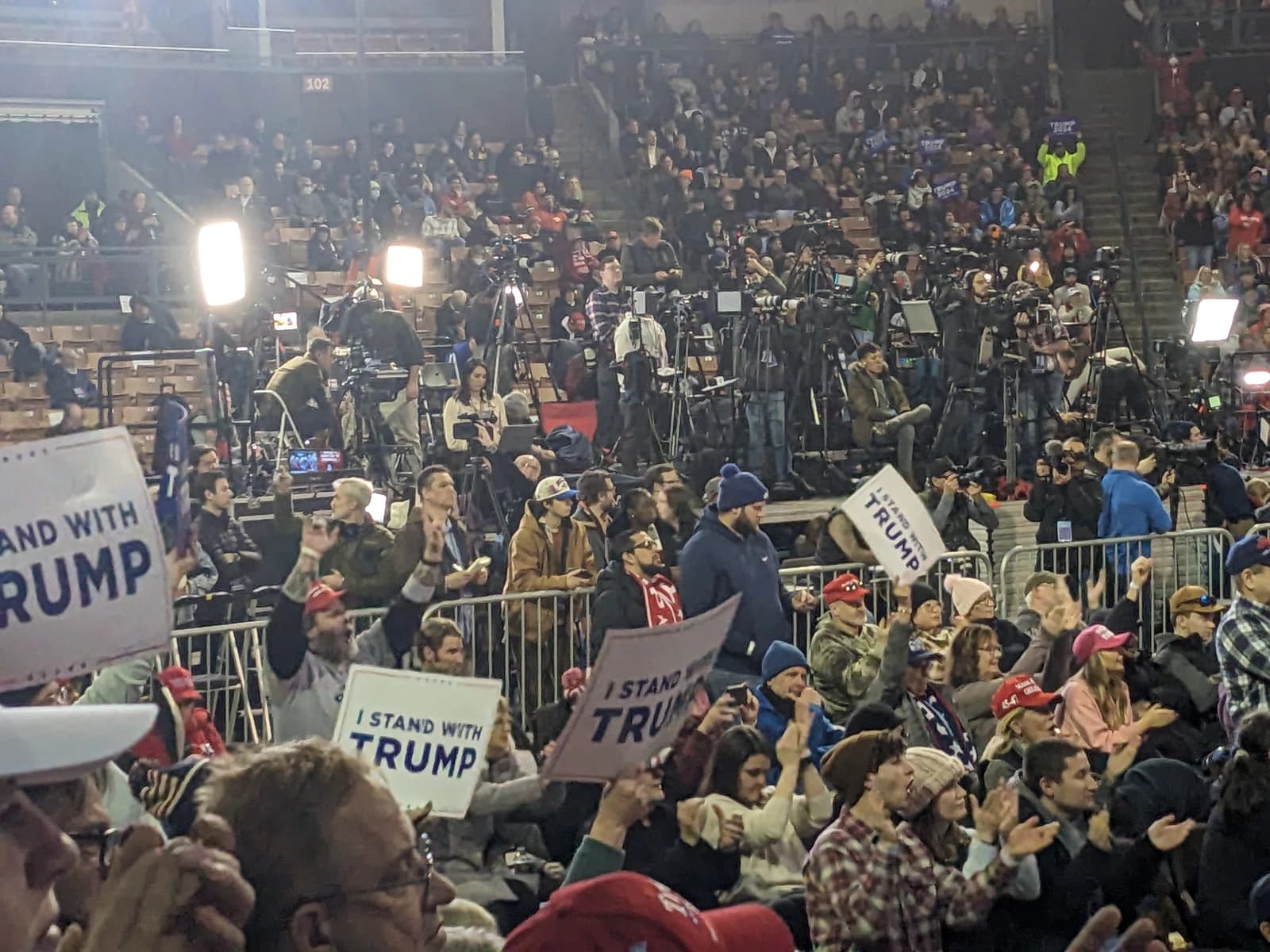
The political backdrop is no less important. Klvaňa argues Trump is heading into the midterms with weak approval, sour consumer sentiment and an economy that is still biting households through expensive fuel and mortgage rates. That is the formula for a backlash. If Republicans lose control of Congress, Trump’s room to maneuver on trade, sanctions and foreign policy narrows sharply, and the White House could face a more hostile oversight environment just as the administration is trying to manage Ukraine, Iran and Russia on the fly.
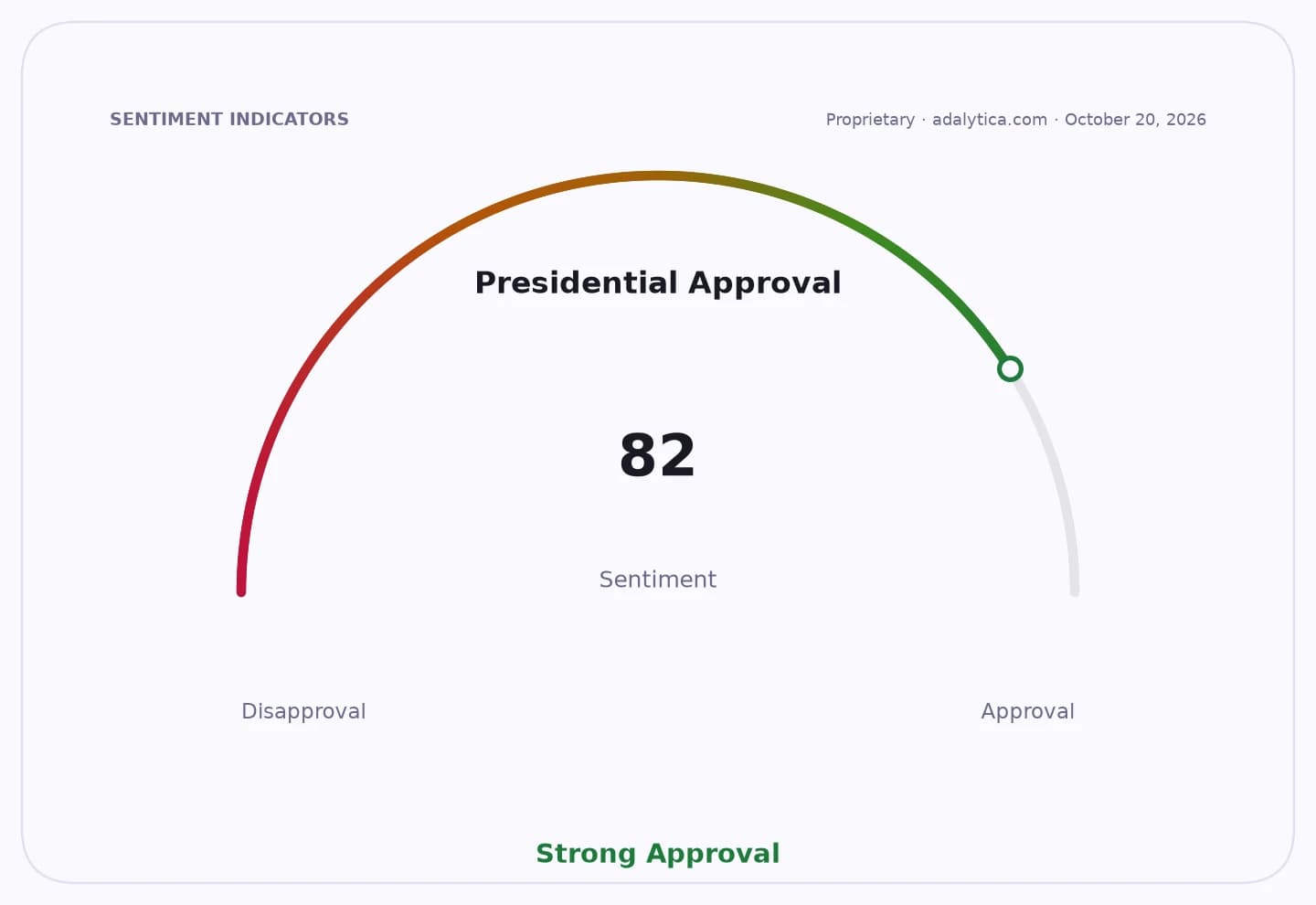
Adalytica’s US White House Policy Direction Sentiment gauge is flashing extreme fear, with a sentiment reading of 4 and a 30-day drop of 96 points, underscoring how abruptly the policy outlook has deteriorated. At the same time, the U.S. presidential approval snapshot remains only neutral despite a recent pullback, a sign that Trump still has a base, but not the broad mandate needed to sustain a foreign-policy reset without political cost.
That combination creates opportunity and risk. The market underestimates how much volatility can emerge when geopolitics becomes domestic campaign fuel. A Trump loss of congressional power would make his agenda harder to execute, but a Trump victory or a successful midterm defense could embolden even more aggressive policy experiments with Russia, tariffs and immigration. Either way, investors should not confuse this with normal Washington drift.
| Entity | Gains | Losses |
|---|---|---|
| European defense contractors | ▲Higher rearmament budgets | ▼U.S. security guarantees |
| Oil and energy infrastructure | ▲Geopolitical risk premium | ▼Stable fuel prices |
| Russia / Kremlin | ▲Sanctions relief, diplomatic room | ▼Isolation pressure |
| Trump White House | ▲Short-term dealmaking flexibility | ▼Congressional leverage, policy credibility |