Donald Trump’s decision to pause Russia sanctions is triggering rare bipartisan blowback in Washington because it undercuts a Senate-backed pressure campaign that could have slapped tariffs of up to 100% on imports from countries buying Russian oil or gas.
Trump pauses Russia sanctions, draws bipartisan backlash
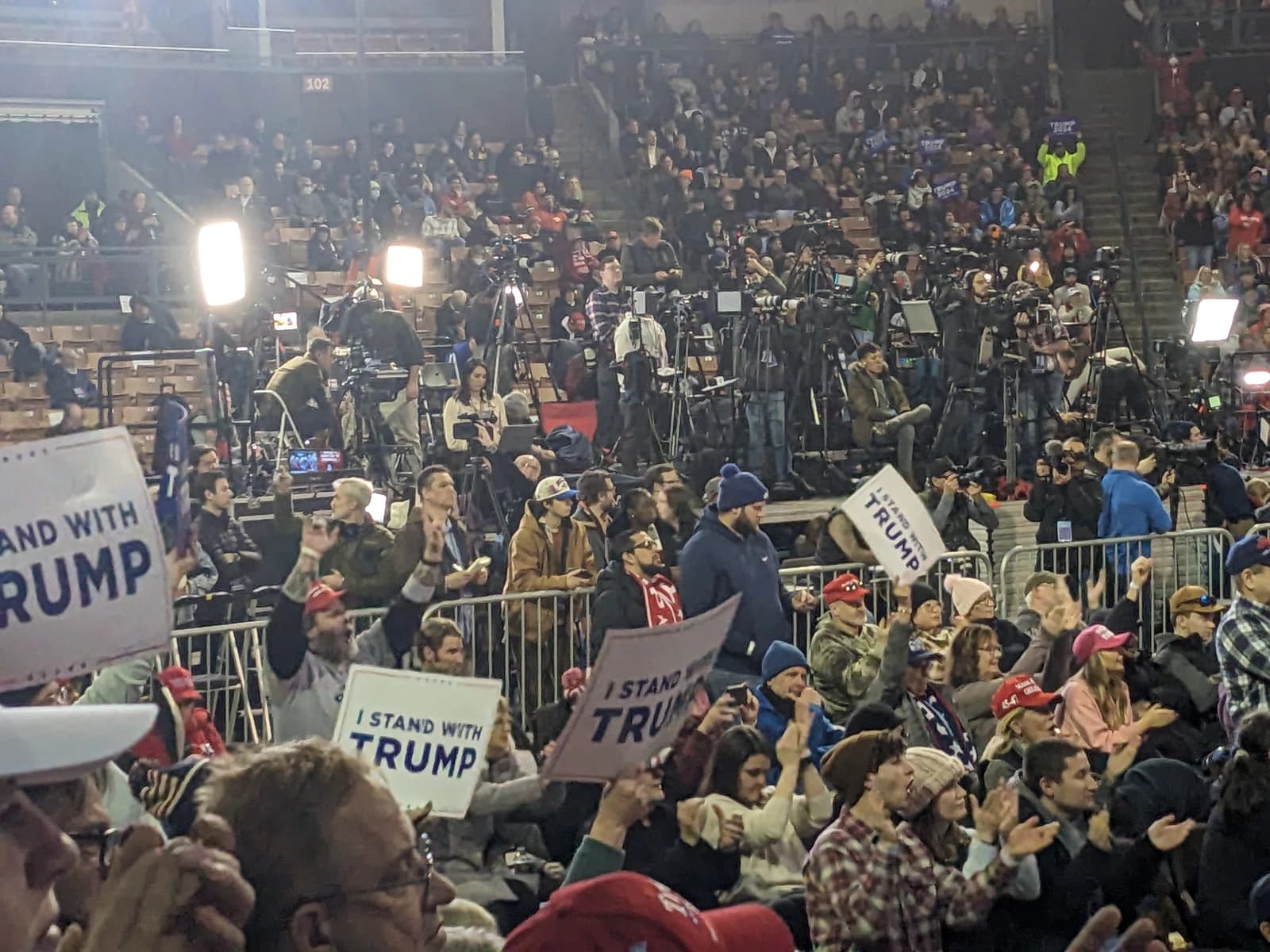
The move matters economically because it eases pressure on Moscow’s energy revenues at a time when Washington is still trying to use trade and sanctions to constrain the Kremlin’s war machine. It also creates fresh uncertainty for energy markets and global supply chains, especially after Trump last week announced a larger diesel deal with Russia and as his administration floats a peace plan that would encourage Europe to buy more Russian gas.
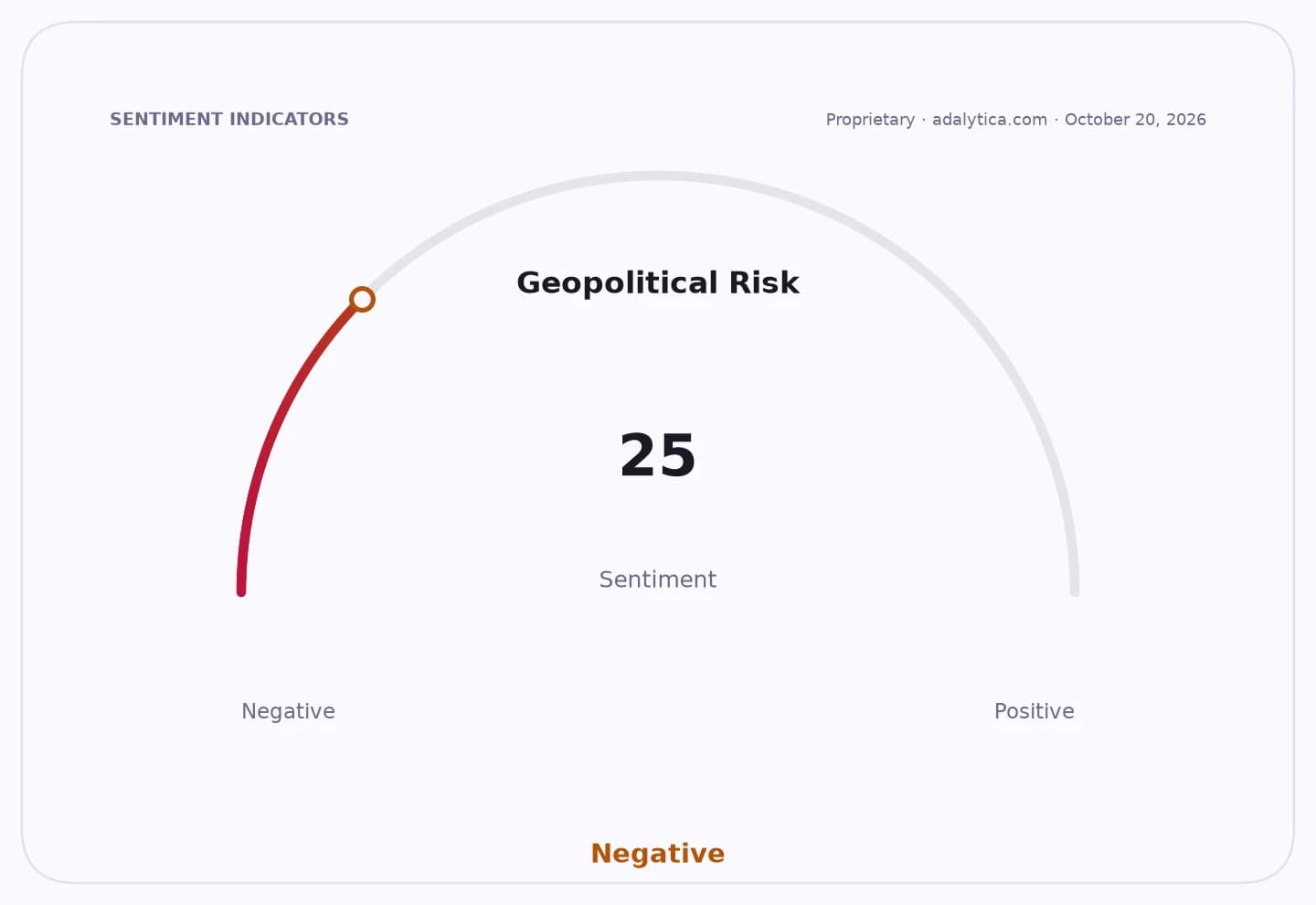
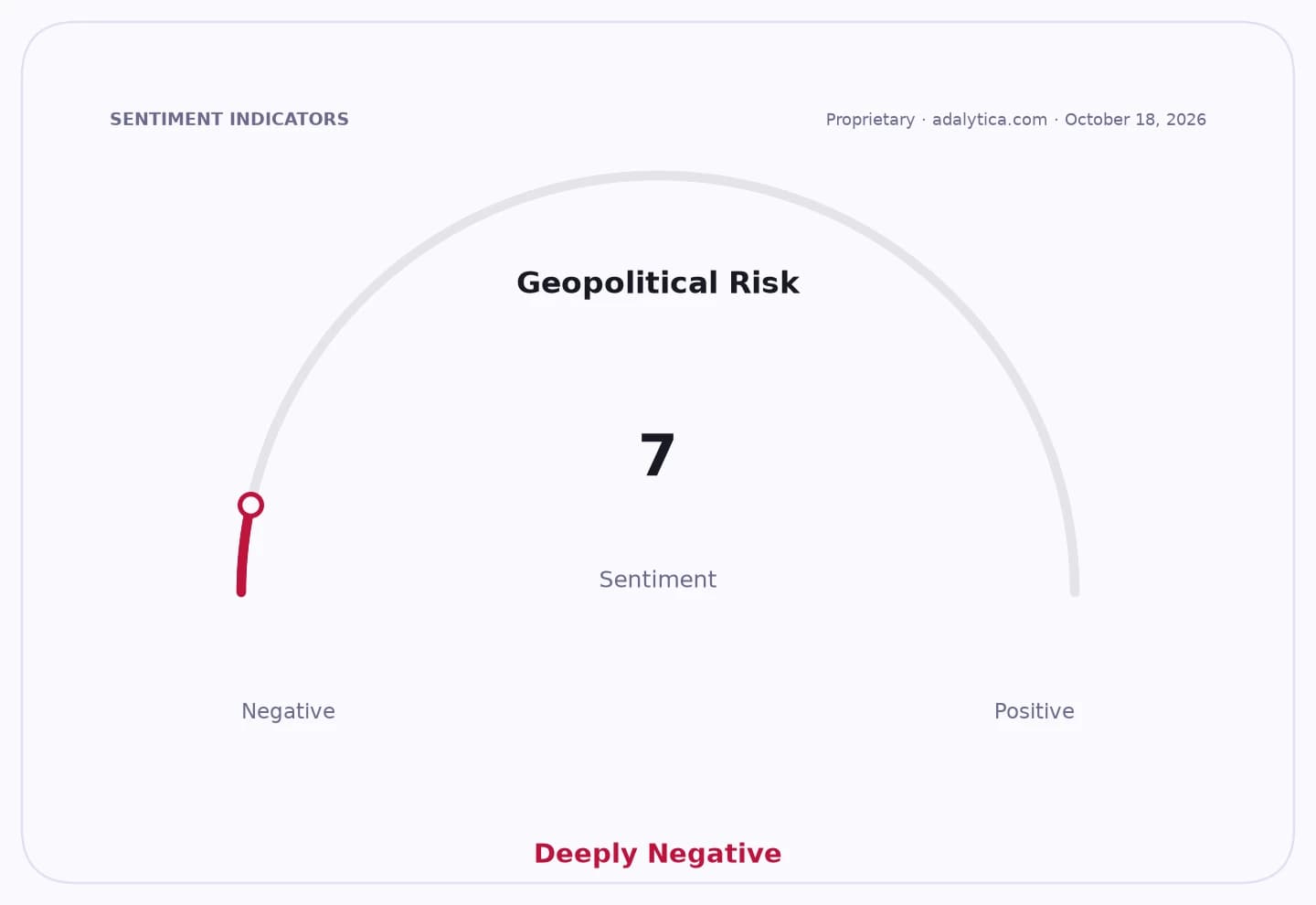
Sentiment IndicatorsⓘProprietary · adalytica.com · October 21, 2026
This is a snapshot — live sentiment, awareness and momentum for 130+ markets update continuously in the dashboard.Open AlphaPulse

Republican Sen. Thom Tillis called the decision “completely irresponsible,” arguing the administration was failing to enforce a measure the Senate had approved 86-11. Sen. John Cornyn said even sponsor Lindsey Graham would have been “horrified,” while Democratic leader Chuck Schumer said Trump’s “pact with the devil” was getting dirtier by the day. Russian officials have welcomed the pause, strengthening critics’ argument that the White House is handing Vladimir Putin a political win.
Ukrainian President Volodymyr Zelenskyy said the decision benefits Russia and urged Washington to pressure Putin rather than Kyiv. The backlash also lands as Trump says he is acting for national security reasons, a defense that may not calm lawmakers from either party who see the waiver as a retreat from U.S. leverage in negotiations.
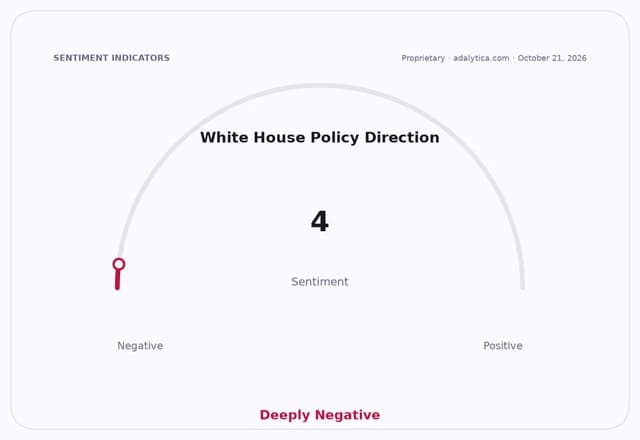
For investors, the immediate market question is whether the softer stance on Russia and the talk of more European reliance on Russian gas change the medium-term backdrop for oil, diesel and European energy pricing. It also raises the risk of policy whiplash, with sanctions, tariffs and energy trade all vulnerable to political reversals that can move commodity flows and sector valuations.
The next catalyst is whether Congress pushes back with new legislation or whether the White House doubles down on a broader deal that trades sanctions relief for a diplomatic opening with Moscow.
| Entity | Gains | Losses |
|---|---|---|
| Russia / Kremlin | ▲Energy revenue support | ▼Sanctions pressure |
| U.S. oil, diesel and energy traders | ▲Potential trade flow relief | ▼Policy uncertainty |
| Trump White House | ▲Short-term diplomatic flexibility | ▼Bipartisan credibility |
| Ukraine / European buyers | ▲Possible leverage loss | ▼Tighter pressure on Russia |