President Donald Trump has moved to cancel about $810 million in federal spending approved by Congress, escalating a legal fight over whether the White House can sidestep lawmakers’ power of the purse with a late-year budget maneuver.
Trump cancels $810 million in federal spending
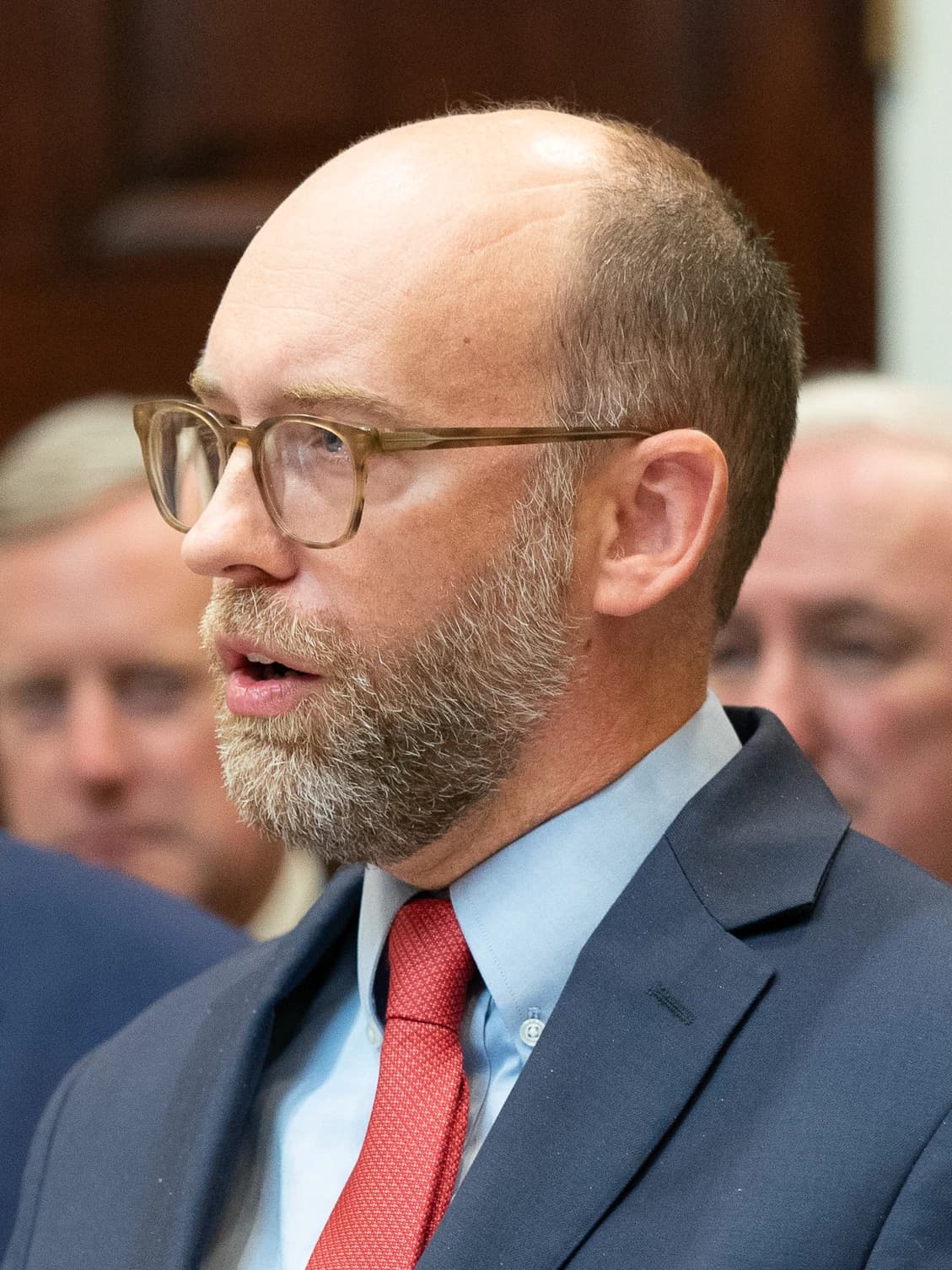
The latest rescissions target money for refugee and migrant services, immigrant aid programs, education grants and housing programs, according to the White House. The administration said it is using a “pocket rescission,” a tactic that can effectively block funds from being spent if it is filed so close to the end of the fiscal year that Congress cannot act before the money expires on Wednesday.
Sentiment IndicatorsⓘProprietary · adalytica.com · October 1, 2026
This is a snapshot — live sentiment, awareness and momentum for 130+ markets update continuously in the dashboard.Open AlphaPulse
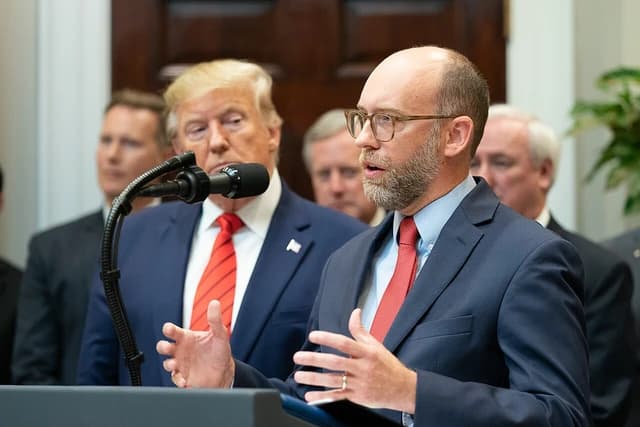
That timing is what makes the move economically and politically significant. Congress passed the spending, agencies planned around it and recipients are left facing abrupt funding uncertainty just as federal budgets are typically locked in for the year. The White House says the money would have gone to “wasteful and harmful” programs, but opponents argue the administration is trying to nullify appropriations without legislative approval.
Sen. Susan Collins, the Republican chair of the Senate Appropriations Committee, said lawmakers were notified of the rescissions “without warning or consultation” and accused the Office of Management and Budget of deliberately withholding the money for months to carry out an “unlawful cancellation” of bipartisan appropriations. House Appropriations top Democrat Rosa DeLauro called it an attempt to “steal more money promised to communities across the country.”
The maneuver matters for investors because it adds another layer of budget risk to federal spending, especially for contractors, nonprofits and service providers that rely on appropriated funds. The move also reinforces the administration’s willingness to use executive power to trim outlays, which can affect cash flows across government-linked sectors and keep Washington budget fights in the spotlight.
It is the second time Trump has used the tactic after his administration moved to cancel $4.9 billion in foreign aid funds, the first pocket rescission since 1977. That episode drew legal challenges from groups and businesses tied to foreign aid projects and underscored the uncertainty surrounding how far the White House can go without Congress.
The latest dispute now raises the prospect of another court battle and more tension over federal funding heading into the next budget cycle. For markets, the immediate takeaway is not a broad macro hit from $810 million, but a reminder that policy volatility around government spending, federal contracts and program funding can still hit specific sectors and counterparties quickly.