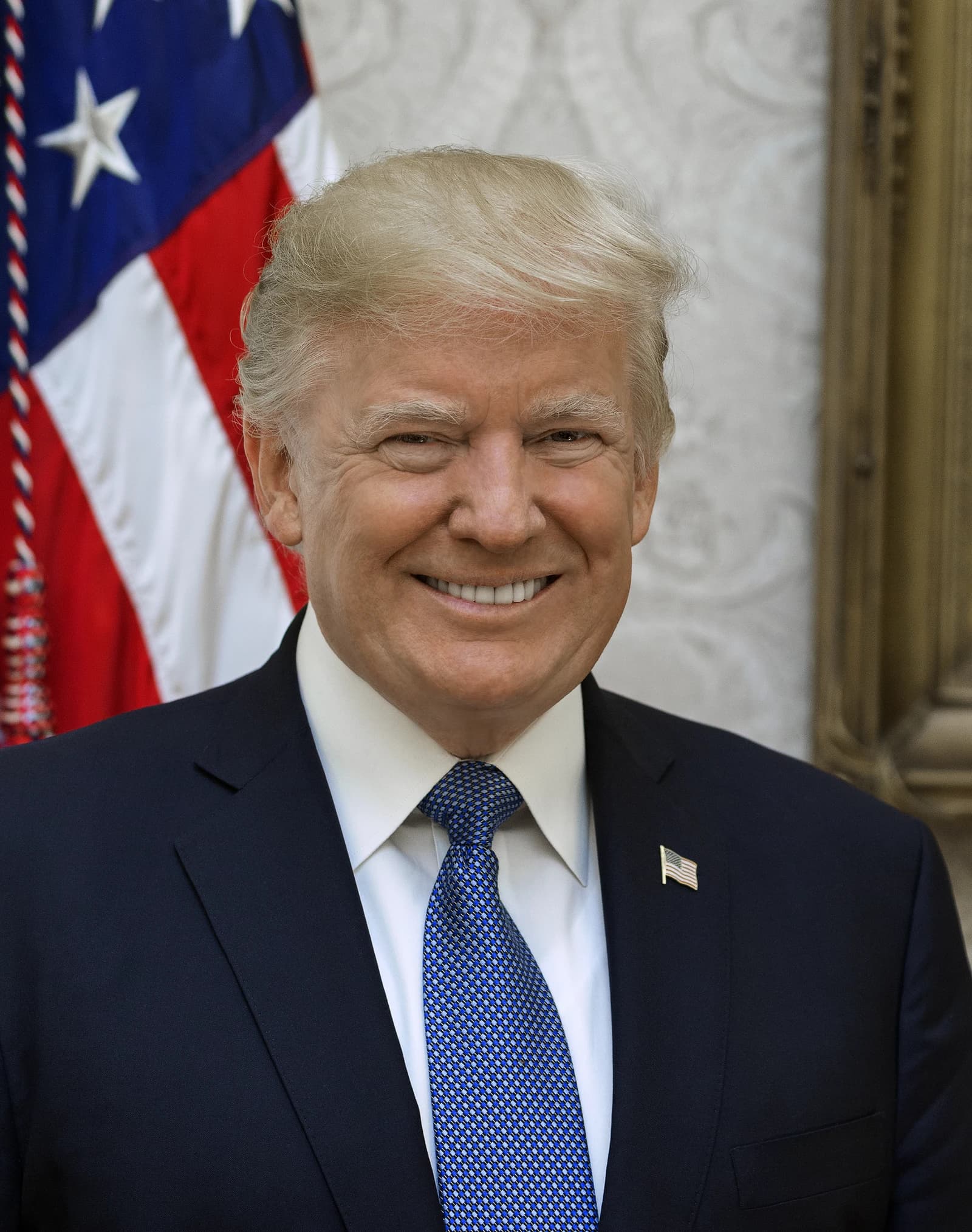
Donald Trump is promising to send $5,000 to every adult American if Republicans keep control of Congress, a proposal that would cost roughly $1.2 trillion and reshape the 2026 political and market debate around taxes, tariffs and stimulus.
Trump $5,000 dividend plan for adults

The pledge, pitched by Trump as a “Trump Dividend,” was unveiled at a Republican midterm event in Dallas, where he said the money would be paid only if the GOP retains the House and Senate. He argued the distribution would be funded by U.S. economic performance and tariff revenue, and told supporters he did not want them taking the money to Canada to spend it.
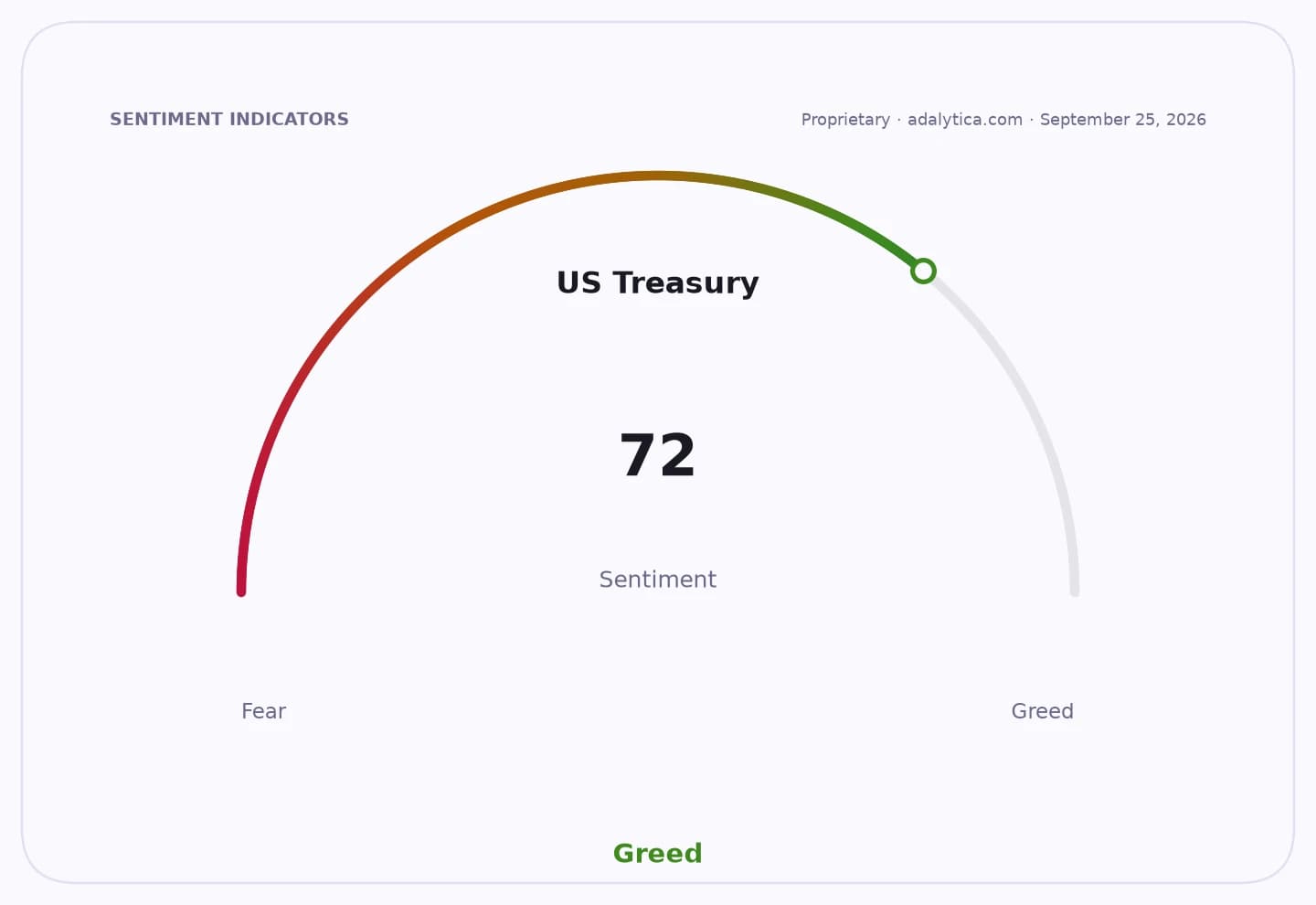
Sentiment IndicatorsⓘProprietary · adalytica.com · September 11, 2026
This is a snapshot — live sentiment, awareness and momentum for 130+ markets update continuously in the dashboard.Open AlphaPulse
The economics are immediate: with about 240 million adults in the U.S., the plan would amount to one of the largest direct cash transfers ever proposed by a presidential administration. That is a heavy lift even for Washington, where the annual federal budget is about $7 trillion, and it would almost certainly require congressional approval, new offsets or a politically explosive increase in borrowing.
For investors, the proposal matters because it revives the prospect of a demand shock at a time when markets are already sensitive to fiscal deficits, inflation and the path of interest rates. Direct payments typically lift spending at the retail level, and the latest Adalytica.com consumer spending sentiment snapshot shows extreme greed around discretionary outlays even as retail-goods sentiment remains in extreme fear, underscoring how uneven any windfall could flow through the economy.
The plan also lands against a backdrop of elevated Treasury yields, with the 10-year note near 4.8%, a level that leaves little room for a large new fiscal package without pushing term-premium worries higher. Broad equities, as tracked by SPY, are hovering above their 50-day and 200-day moving averages, but the Adalytica.com S&P 500 trade signals show extreme fear, suggesting investors remain wary of policy surprises even as the index holds up technically.
Trump first floated the dividend idea months ago, and the latest version is more aggressive than earlier talk of a $2,000 “tariff dividend.” The jump to $5,000 turns a campaign promise into a major macro question: whether tariff revenues and other savings could ever finance a payout of that size without worsening deficits.
The political gamble is as important as the fiscal one. Trump is tying the promise directly to Republican control of Congress, making the 2026 midterm fight about who gets the benefits of growth, tariffs and federal revenue — and whether voters believe a cash transfer is more credible than broader tax relief.
If the idea gains traction, consumer-facing stocks, payment networks and retail names could see renewed speculation about a spending boost, while bond investors are likely to focus on the deficit math first. The next catalyst is whether Republican lawmakers embrace the plan or treat it as a campaign line too expensive to become policy.
| Entity | Gains | Losses |
|---|---|---|
| Republican candidates | ▲Campaign message, voter appeal | ▼Fiscal credibility risk |
| U.S. consumers | ▲Potential $5,000 payout | ▼Higher inflation/deficits if financed poorly |
| Retailers and payment networks | ▲Possible spending boost | ▼Policy uncertainty and rate pressure |
| Treasury bondholders | ▲— | ▼Larger issuance and deficit concerns |