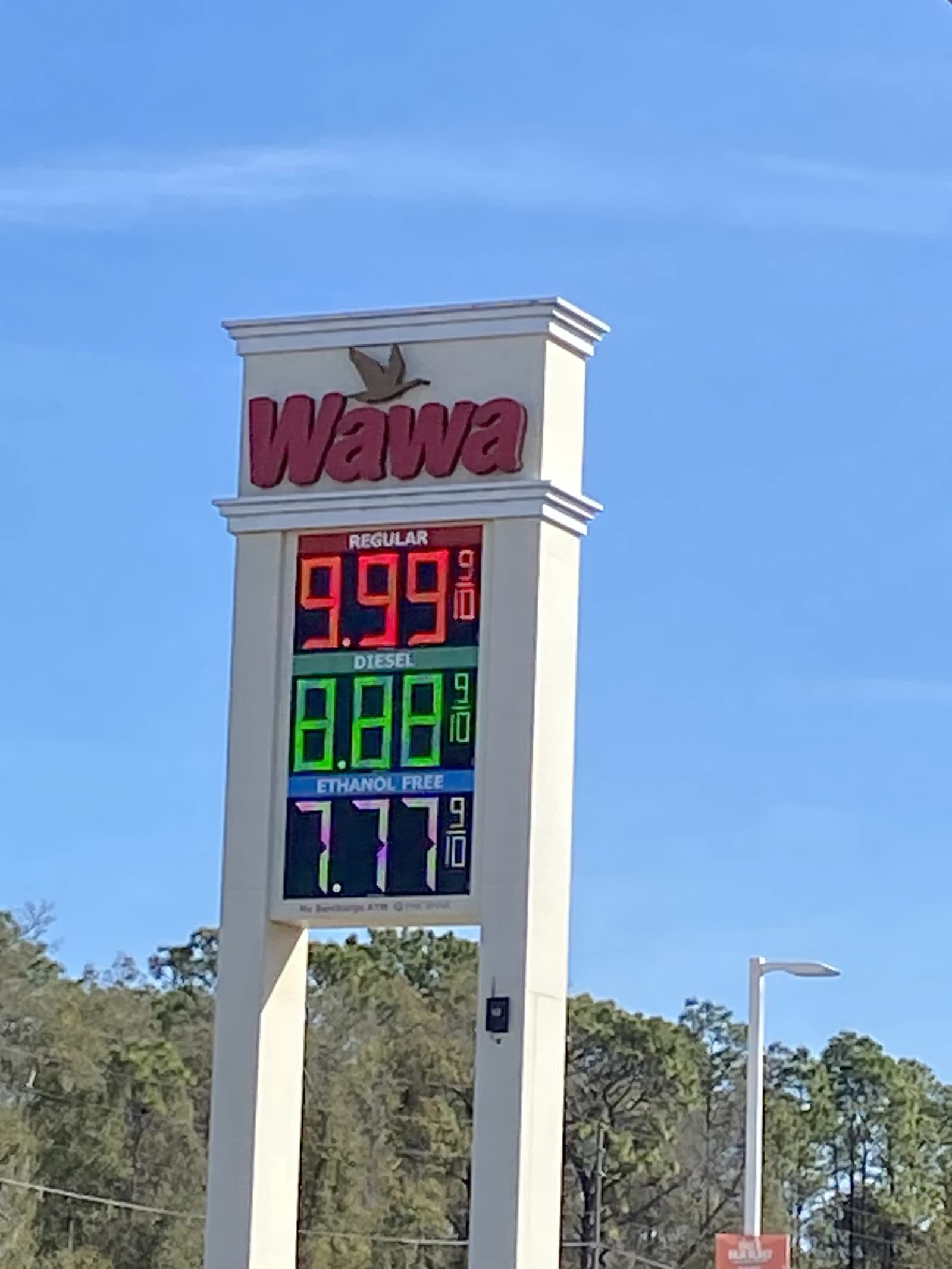
Ukraine’s price of a key everyday product — fuel — has risen faster than inflation, underscoring how the war is still feeding directly into household costs and the country’s transport bill.
Ukraine Fuel Prices Rise Faster Than Inflation
That matters because fuel is not just another consumer item in Ukraine: it is a freight cost, an input cost and a political pressure point all at once. When diesel and gasoline outpace broader consumer prices, the hit filters through food distribution, manufacturing, agriculture and logistics, making inflation stickier even as policymakers try to stabilize the economy.
Sentiment Indicators
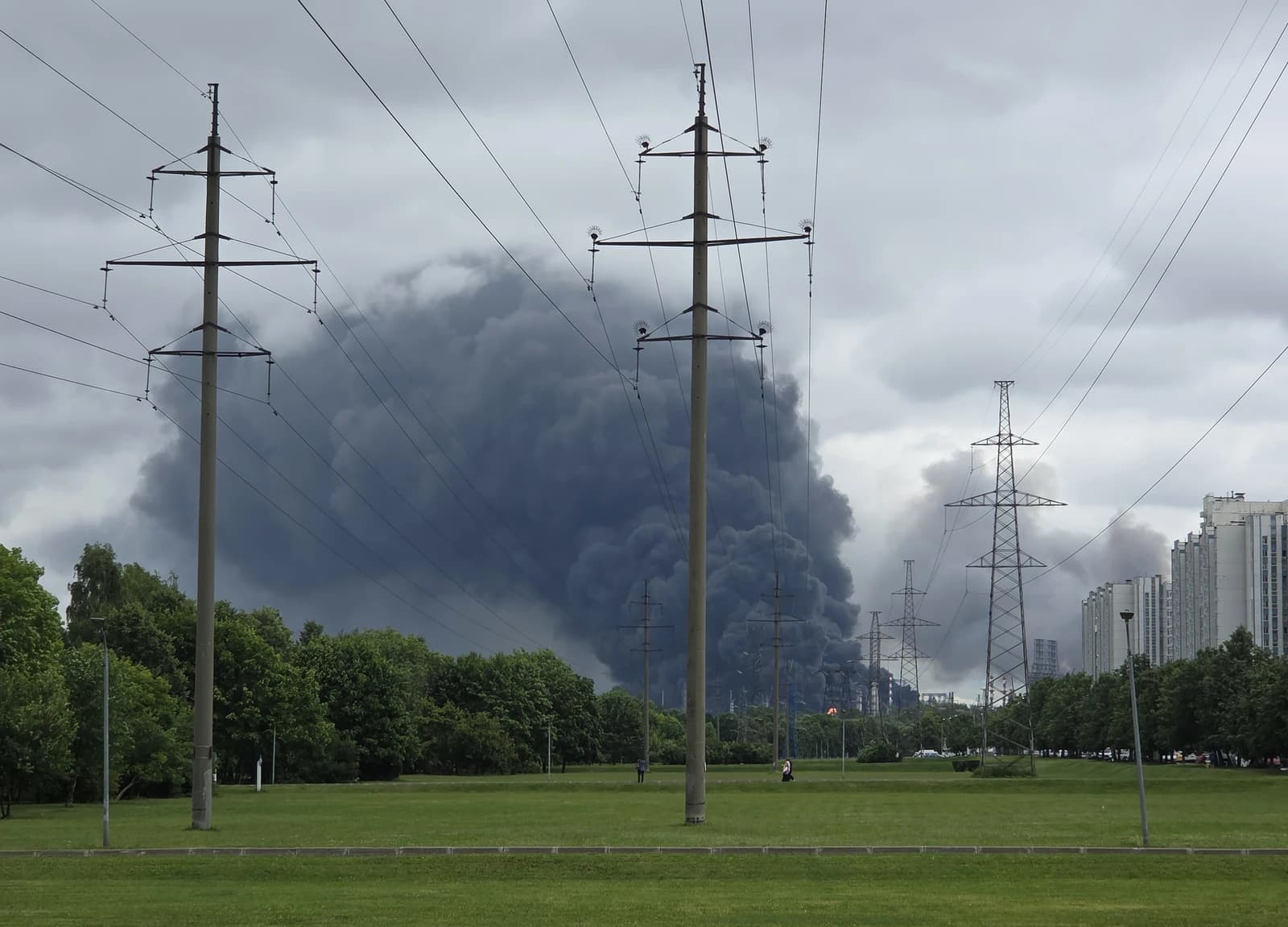
The latest move is tied to the battlefield as much as to the pump. Ukrainian drone strikes on Russian refineries have damaged processing capacity and complicated diesel exports, tightening supplies across the region. At the same time, Russia has been able to raise oil processing by about 25%, cushioning some of the damage, but not enough to eliminate price volatility. The result is a market where supply disruptions, rather than demand, are doing the pricing work.
For investors, the message is clear: energy is still a geopolitical trade, not a clean macro one. Crude-linked assets remain sensitive to refinery outages, export bottlenecks and Black Sea shipping risk, while broader equities face a higher cost base if fuel inflation bleeds into the real economy. The latest U.S. benchmark data underline the backdrop of persistent inflation pressure, with consumer prices and producer prices still elevated from pre-war levels, keeping rate-cut hopes vulnerable to supply shocks.
The bigger narrative is that Ukraine’s war economy is increasingly being shaped by infrastructure warfare. Refineries, ports and transport corridors are now the choke points that matter most. As long as those remain under pressure, fuel will stay one of the most volatile and economically consequential prices in the region — and one of the clearest reminders that the conflict is still being priced into every kilometer moved.
For investors, the highest-conviction takeaway is to stay positioned for energy volatility, supply-chain disruption and defense-linked spending, while remaining wary of any assumption that inflation in Europe’s eastern flank is close to normalizing.
| Entity | Gains | Losses |
|---|---|---|
| Energy producers | ▲Higher realized prices | ▼Demand destruction risk |
| Refiners | ▲Tighter product spreads | ▼Physical asset damage |
| Ukrainian consumers | ▲None | ▼Higher transport costs |
| Logistics and agriculture | ▲Pricing power for some operators | ▼Margin pressure from fuel inflation |