Wall Street recovered on Friday after Thursday’s sharp selloff, while a stronger-than-expected U.S. payrolls report pushed the dollar higher and eased bets on near-term Fed easing, with crude prices falling as geopolitics trimmed a fresh risk premium from energy markets.
U.S. stocks rebound as payrolls lift dollar, oil slips

The move matters because it points to a market that is still being driven by macro data and policy expectations even after a bruising technology-led shakeout. The S&P 500 rose 0.7% and the Nasdaq 100 climbed 1.7%, helped by a bounce in semiconductors and other heavyweight tech names that had been dumped a day earlier. The rebound was modest relative to the damage from Thursday, when the Nasdaq posted its steepest one-day drop in 19 months, but it showed investors were willing to buy the dip after labor data suggested the economy remains resilient.
Sentiment Indicators

The U.S. jobs report, or NFP, strengthened the case that the Federal Reserve does not need to rush into cuts. Fed Governor Mary Daly said the labor market remains solid, wage growth is not accelerating excessively and the latest jobs data gives policymakers room to keep fighting inflation. Her comments underscored a central market tension: growth is strong enough to support corporate earnings, but not strong enough to quickly revive the prospect of easier policy. That combination tends to favor the dollar and pressure rate-sensitive assets when traders scale back hopes for imminent easing.
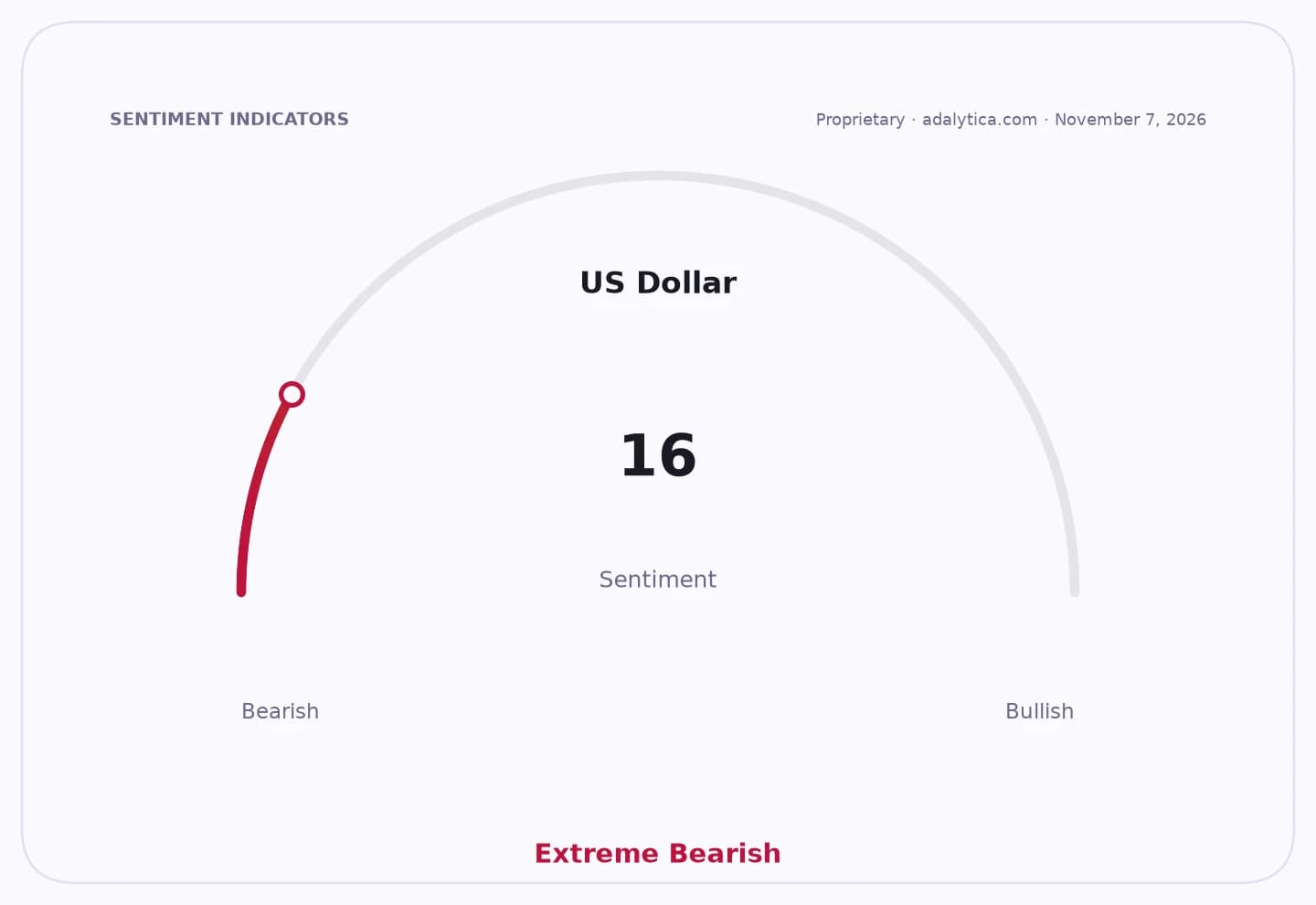
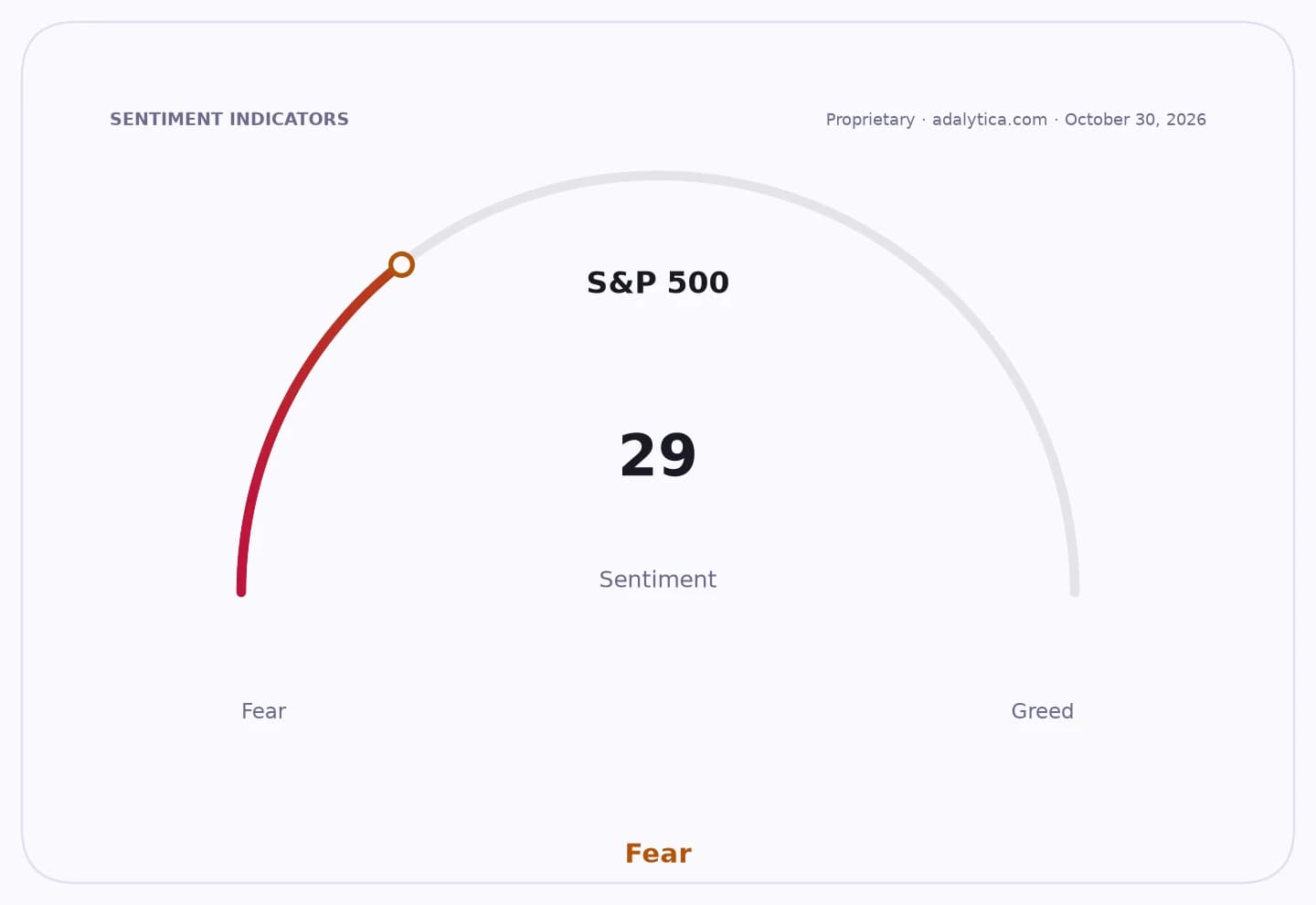
In currency markets, the dollar extended gains as investors recalibrated the Fed path. Adalytica’s U.S. dollar trade signals showed “Extreme Greed,” while the S&P 500 signal also sat in “Extreme Greed,” suggesting the bounce came with a still-comfortable risk appetite rather than a wholesale defensive turn. Treasury sentiment was firmer but less euphoric, consistent with a market that remains cautious about the duration of higher rates. Stronger payrolls typically support the greenback by lifting U.S. yields relative to peers and by reducing the case for an early policy pivot.
US Dollar — 30-day sentimentadalytica.com
Explore this data interactively — full history, time series and cross-market comparisons.
US Dollar
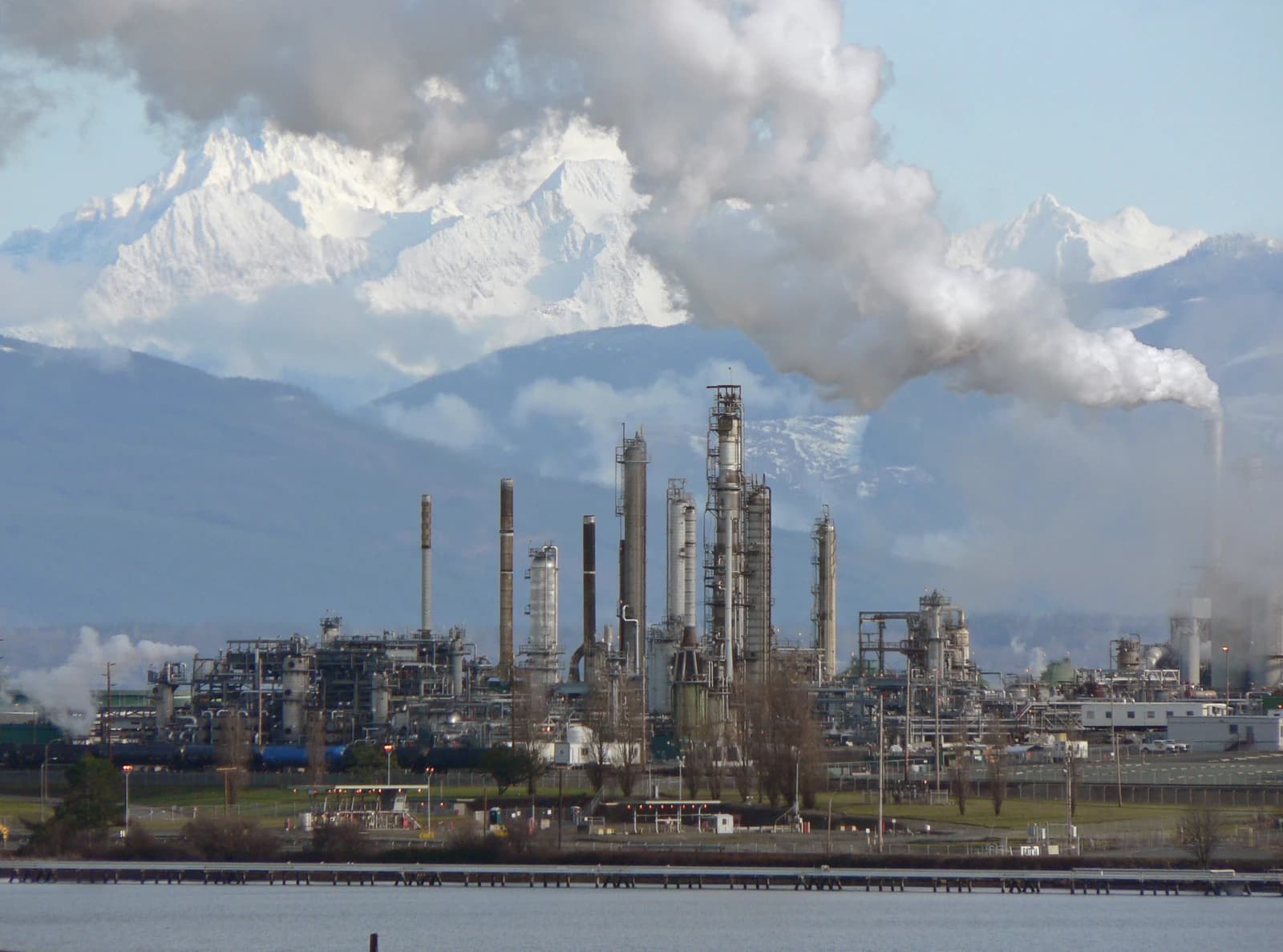
Oil moved in the opposite direction. Brent and WTI retreated after approaching the $100-a-barrel mark as reports said Iran was considering proposals to curb parts of its nuclear program in exchange for possible U.S. sanctions relief. Any sign of progress, however tentative, reduces the geopolitical premium embedded in crude, particularly at a time when supply risks in the Middle East have been a major driver of volatility. The pullback also helps explain the broader risk-on tone: lower energy prices improve margins for fuel-intensive sectors and ease some inflation pressure on consumers.
The market reaction split clear winners and losers. Technology and semiconductors benefited from bargain hunting after the prior selloff, while energy equities lagged as crude slipped. Lam Research rose after announcing a $25 billion buyback, and shares of Vistra Energy and Moderna also advanced, adding stock-specific support to the wider rebound. On the other side, oil producers and energy-linked names face lower near-term pricing power if crude continues to unwind its war premium.
For investors, the key question is whether Friday marked a durable stabilization or just a pause after a violent rotation. The answer will depend on whether incoming data keep the Fed in a restrictive posture, whether the dollar’s strength persists, and whether oil prices continue to give back geopolitical gains. If labor conditions remain firm and inflation proves sticky, rate-cut hopes may stay subdued, which would favor the dollar and cap multiple expansion in growth stocks. If, instead, the Iran headlines cool further and crude drifts lower, markets could get a simultaneous boost from softer inflation expectations and lower input costs.
| Entity | Gains | Losses |
|---|---|---|
| U.S. dollar | ▲Higher yield support | ▼Rate-cut hopes |
| S&P 500 / Nasdaq 100 | ▲Dip buyers, tech rebound | ▼Thursday’s sellers |
| Energy producers | ▲— | ▼Lower crude prices |
| Fuel-intensive sectors | ▲Cheaper input costs | ▼— |