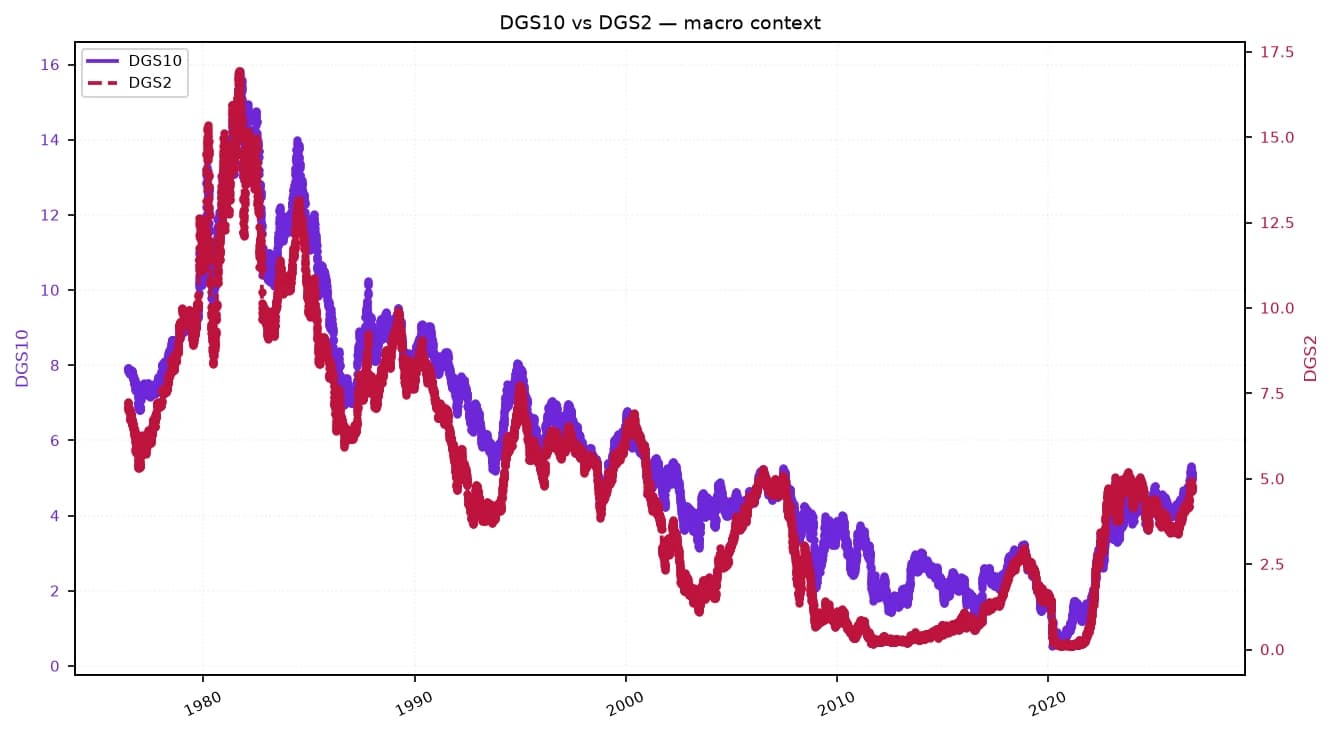
U.S. stocks are heading into Friday with the market’s near-term direction likely to hinge less on company-specific earnings than on a pivotal macro read: the October jobs report, which could confirm whether the labor market is cooling enough to keep Treasury yields pinned near 5% and support equity valuations.
SPY Nears 50-Day Ahead of Jobs Report
S&P 500
That matters because the S&P 500 has already been leaning on a narrow set of growth and megacap names while investors weigh whether policy stays restrictive for longer. The benchmark exchange-traded fund, SPY, closed Thursday at 769.36, just above its 50-day moving average of 766.87 and well above the 200-day average of 725.63, suggesting the broader uptrend is intact even as momentum has cooled. The RSI reading of 42.1 points to a market that is no longer overbought, while the MACD remains below its signal line, indicating a loss of upside impulse. Adalytica’s S&P 500 trade signals show sentiment at 29, labeled fear, even as awareness sits at 100, underscoring a market that is highly focused on the next catalyst.
Sentiment Indicators
The jobs report is the key risk because it will shape expectations for interest rates, earnings multiples and the dollar. Economists expect unemployment to edge down to 4.09% from 4.2%, but even a modest surprise either way could move rates sharply after the 10-year Treasury yield climbed back to about 5% in recent sessions. A stronger-than-expected print would likely reinforce the case for tighter-for-longer policy, pressuring rate-sensitive sectors and potentially compressing equity valuations. A softer reading would do the opposite, easing pressure on duration-heavy assets such as tech and long-duration bonds.
The report arrives alongside a stream of corporate results that are likely to be read through that macro lens. Investors will be watching earnings for signs that higher financing costs and sticky inflation are squeezing margins, even as some companies continue to raise guidance. Naturgy’s stronger profit outlook, for example, shows how selective businesses can still pass through costs or benefit from supportive commodity conditions. But for the broader U.S. market, Friday’s real driver is whether macro data validate the rally or expose its dependence on easier financial conditions.
Treasury markets are already sending a clear signal. Adalytica’s U.S. Treasury bond snapshot shows sentiment at 100, or extreme greed, while awareness is at 0, indicating a market positioned aggressively for lower yields even as the 10-year note trades near 5%. That split matters for investors because it leaves equities vulnerable if the jobs data comes in hot and bonds sell off again. It also helps explain why defensives and rate-sensitive sectors may outperform if the numbers point to slower growth.
For investors, Friday is less about one earnings print than about whether the market can keep discounting a benign inflation path and a gradual cooling in hiring. If the labor market remains resilient, the case for multiple expansion weakens. If it softens, stocks may get a further lift — but only if investors believe growth is slowing without tipping into recession.
| Entity | Gains | Losses |
|---|---|---|
| Bonds | ▲Lower-yield thesis | ▼Hot payrolls |
| Tech stocks | ▲Softer rates | ▼Higher discount rates |
| Rate-sensitive sectors | ▲Easier financial conditions | ▼Sticky yields |
| Wage-cooling economy | ▲Fed easing hopes | ▼Profit margin pressure |