U.S. households are still not behaving like a recession is imminent, even as markets price in plenty of anxiety.
U.S. Consumer Sentiment Seen Rebounding in October

The University of Michigan’s consumer sentiment index is expected to rebound to 52.5 in October from 48.1 in September, according to the latest forecast, signaling that American consumers remain cautious but not panicked. That matters because consumer spending drives the bulk of U.S. economic activity, and when confidence collapses, recessions usually follow with a lag. For now, it has not.
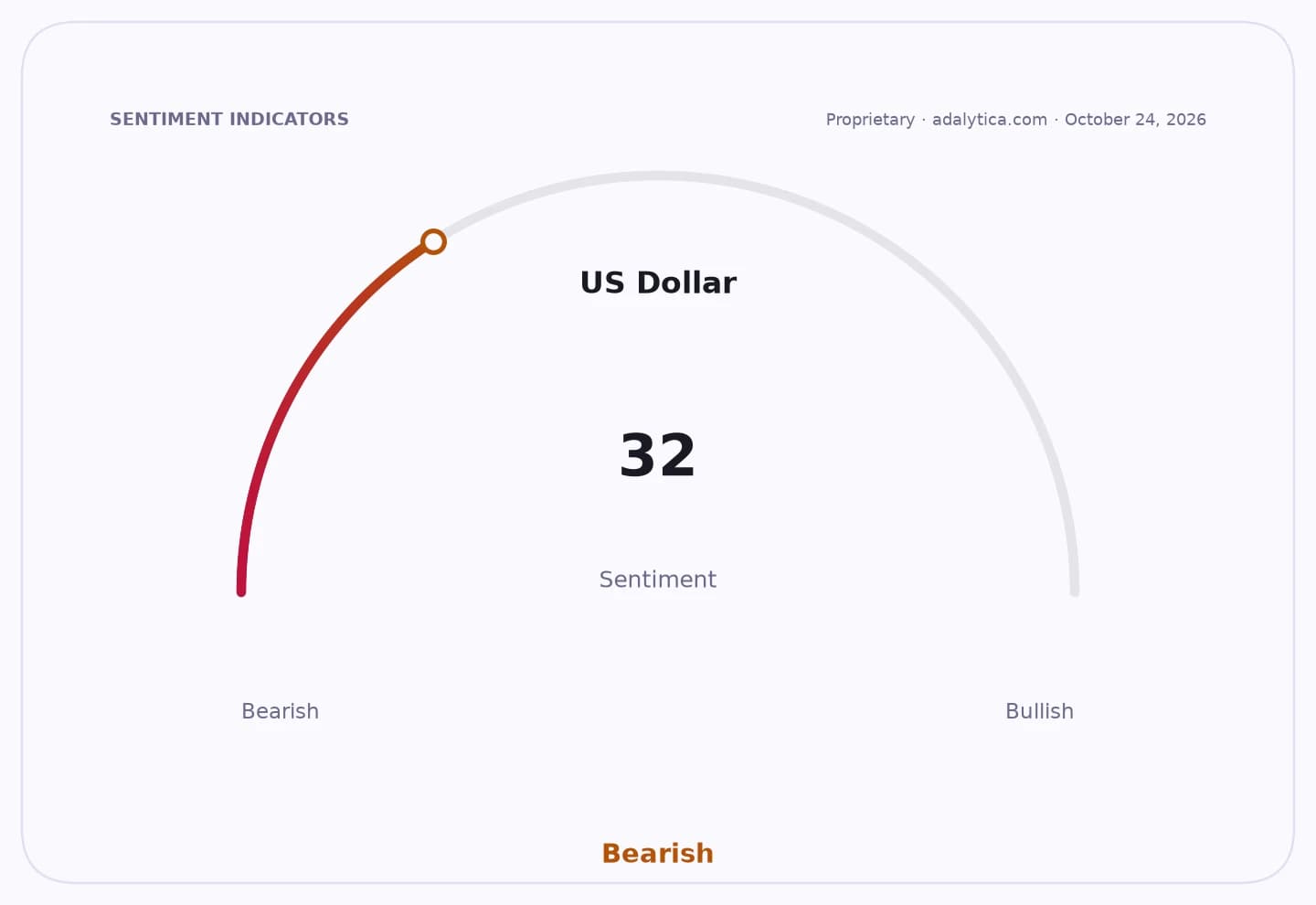
Sentiment Indicators

The labor market is the key reason the downturn narrative has not taken hold. The unemployment rate is forecast to edge down to 4.09% in October from 4.2% in September, remaining historically low and far from the levels that typically accompany a broad economic contraction. As long as workers feel employed and incomes remain intact, households can keep spending, even if they are unhappy about prices, borrowing costs or politics.
That resilience is important for investors because it suggests the U.S. economy may still have more staying power than the market’s mood implies. Adalytica’s trade signals for the S&P 500 show sentiment at extreme fear, even though the index’s broader trend remains neutral. That disconnect is exactly where opportunity can emerge: fear-heavy markets often overshoot when the macro data is merely soft rather than recessionary.
The risk, of course, is that confidence can roll over quickly if jobs weaken or real incomes come under pressure. But the current setup argues against betting aggressively on a sharp consumer retrenchment. Instead, it favors sectors tied to steady household demand — from staples and discount retail to utilities and selected housing names — over pure cyclical plays that need a full-blown acceleration to work.
In foreign exchange, the dollar’s mixed signal profile also fits a market trying to reconcile slowing sentiment with still-solid U.S. fundamentals. That keeps the macro backdrop supportive for U.S.-centric assets, even if volatility stays high.
The bigger takeaway is simple: investors should not confuse nervous markets with a nervous consumer. Until unemployment turns materially higher, recession risk looks contained, and that leaves room for equities to recover if fear fades.
| Entity | Gains | Losses |
|---|---|---|
| U.S. consumer staples | ▲Stable demand | ▼Cyclical volatility |
| Discount retailers | ▲Value-seeking shoppers | ▼Premium brands |
| S&P 500 bulls | ▲Recession fears ease | ▼Panic sellers |
| Bond market doves | ▲Softer growth narrative | ▼Aggressive tightening bets |