Federal Reserve Bank of San Francisco President Mary Daly said the US central bank may still need to tighten policy further to finish the job of bringing inflation down, reinforcing the market view that the next move in rates is more likely higher than lower.
Fed Daly Says More Rate Hikes May Still Be Needed
Her remarks matter because they show policymakers are still leaning against easing even as the benchmark rate already appears “modestly restrictive” by some traditional measures. For investors, that keeps the path for borrowing costs, Treasury yields and equity valuations tilted toward more pressure, especially in rate-sensitive areas such as housing and duration assets.
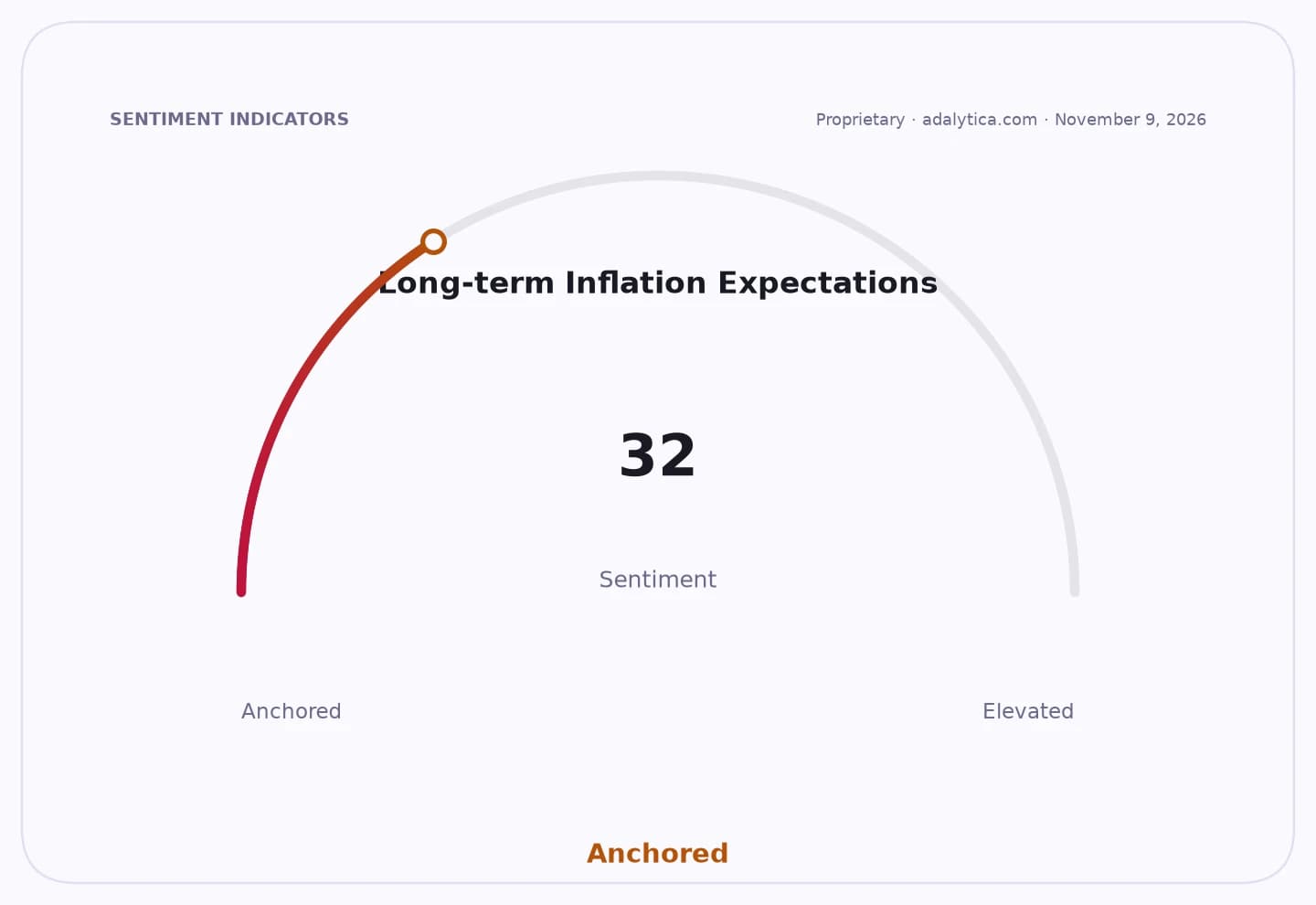
Sentiment Indicators
Hawkish vs Dovish
Daly said the level of prices remains too high and is still rising, adding that the Fed cannot change its mandate simply because it dislikes the outcome. She also said she would like more confidence in the disinflation process and that, based on economic variables she is watching, policy “does not seem as restrictive as it needs to be,” a clear hint she is open to another hike if the data justify it.
The comments come as expectations for a December rate increase have climbed sharply, with markets pricing an 84% chance of a move, while Goldman Sachs is now looking for hikes at both the December and March meetings. That shift reflects a broader belief that the Fed is less concerned about the risk of overtightening than it is about allowing inflation to stay entrenched after a string of resilient economic readings, including a strong payrolls report.
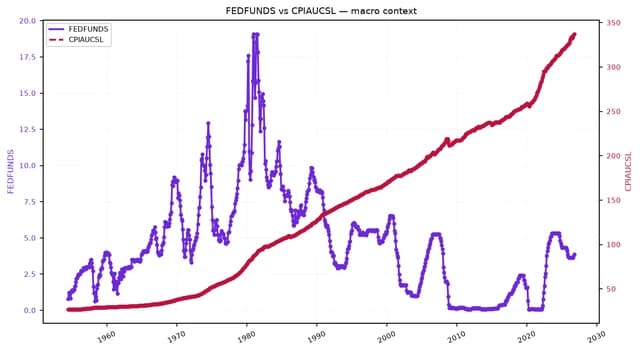
Daly said it was appropriate to leave rates unchanged at the last meeting, citing uncertainty, but pointed to a labor market that remains solid. That combination — sticky inflation and durable employment — gives the Fed room to keep pressing, even if some officials argue policy is already restrictive enough to slow demand over time.
The bond market has already started to price that risk. The 10-year Treasury yield has climbed to around 4.88%, while long-duration bond funds such as TLT have retreated from recent highs. Technical readings on TLT show the fund still below its 200-day moving average, underscoring how fragile the rally in government bonds remains if the Fed stays hawkish longer than expected.
Equities face a less direct but still meaningful headwind. The S&P 500 has recovered from its spring lows, but its recent pullback suggests investors are still sensitive to any sign that discount rates will remain elevated. Higher-for-longer policy tends to pressure valuation-heavy sectors, while banks can benefit from wider rate spreads if credit quality holds up and deposit costs do not rise too quickly.
Daly also addressed the wave of investment linked to artificial intelligence, saying the pricing adjustment in the sector has so far been orderly. That offers some reassurance for markets that the AI trade has not yet morphed into a disorderly bubble, even as the Fed watches whether capital spending and financing needs in the sector add to broader demand-side pressure.
The bigger message for investors is that the Fed is not declaring victory on inflation. Unless upcoming price data show a faster and more durable slowdown, policymakers appear prepared to keep the tightening cycle alive, and the burden of proof now sits with the disinflation camp.
| Entity | Gains | Losses |
|---|---|---|
| Fed hawks | ▲Credibility on inflation | ▼Pressure to ease |
| Borrowers | ▲— | ▼Higher financing costs |
| Banks | ▲Wider rate margins | ▼Deposit-cost pressure |
| Bond holders | ▲Higher income yields | ▼Price losses from higher rates |