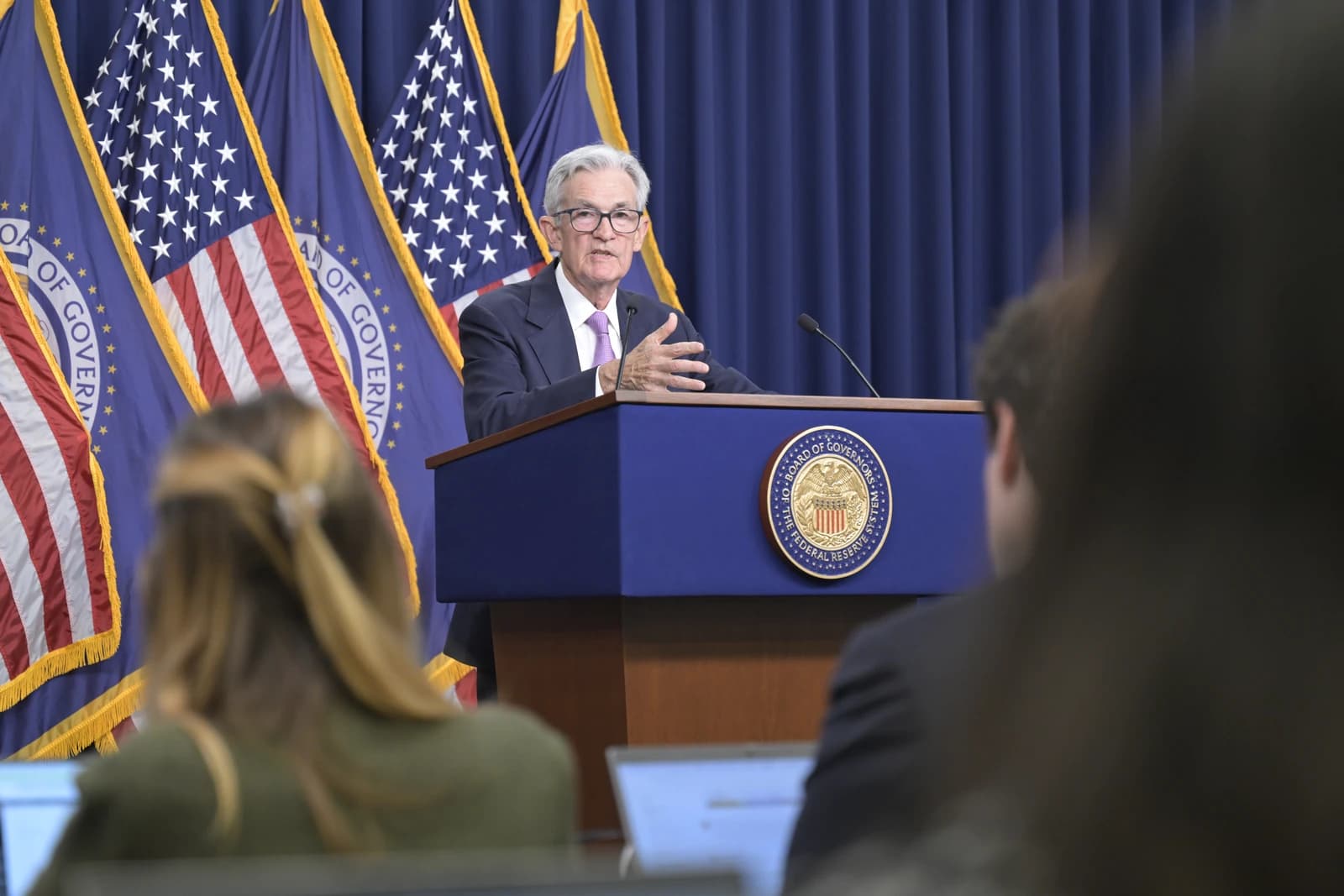
Beth Hammack is effectively arguing that the Fed should keep pushing rates higher, but do it in smaller steps — a message that matters because it points to a longer period of restrictive policy even as officials try to avoid jolting households, businesses and markets.
Fed Hammack backs smaller rate hikes
Long-term Inflation Expectations
For investors, that is the key takeaway: the central bank is not talking about a quick pivot back to easier money. Hammack, who dissented last week in favor of another hike, said policy will need to move to a restrictive stance to get inflation back to 2% in a timely way, and that gradual increases are less likely to create financial stress or let inflation expectations drift higher.
Sentiment Indicators
That stance fits a Fed that has already lifted its benchmark rate into the 3.75% to 4.00% range and is still facing inflation that remains uncomfortably above target. Financial markets broadly expect another hike in December, which tells you the debate is no longer about whether the Fed is done tightening, but how aggressively it will continue.
The economic significance is straightforward. Higher rates raise borrowing costs across the system, from mortgages and business loans to credit cards and corporate financing. A slower tightening path would give the economy more time to absorb the pressure, but it still leaves the message unchanged: the Fed is prepared to keep conditions restrictive until inflation shows lasting progress.
FEDFUNDS vs CPIAUCSL — macro contextadalytica.com
Explore this data interactively — full history, time series and cross-market comparisons.
That matters especially for bond investors and rate-sensitive sectors. Treasury prices have been reacting to the prospect of a prolonged high-rate environment, while bank earnings remain sensitive to the shape and speed of rate changes. A gradual path can be less disruptive than a series of large moves, but it also prolongs uncertainty for equities that depend on cheaper capital and for companies carrying heavy debt loads.
Hammack also used her remarks to defend the dollar’s role as the world’s reserve currency, saying its status rests on strong institutions and central bank independence. That is not just academic rhetoric. A credible Fed helps anchor inflation expectations, support the currency and preserve confidence in U.S. assets, all of which are essential for long-term market stability.
Adalytica’s long-term inflation expectations gauge, meanwhile, still shows only neutral confidence in the Fed’s 2% target, a reminder that credibility is something the central bank must continually earn. The broad message from Hammack is that the fight against inflation is not over, and investors should assume rates stay restrictive longer than they would like. For long-term portfolios, that argues for patience, quality and diversification — not a bet on rapid rate cuts. Worth watching.
| Entity | Gains | Losses |
|---|---|---|
| Fed credibility | ▲Stronger inflation-fighting stance | ▼If inflation stays sticky |
| Dollar | ▲Reserve-currency support | ▼Crypto challengers |
| Long-duration bonds | ▲Gradual tightening clarity | ▼Rapid rate-hike surprises |
| Borrowers | ▲Less abrupt rate moves | ▼Higher financing costs |