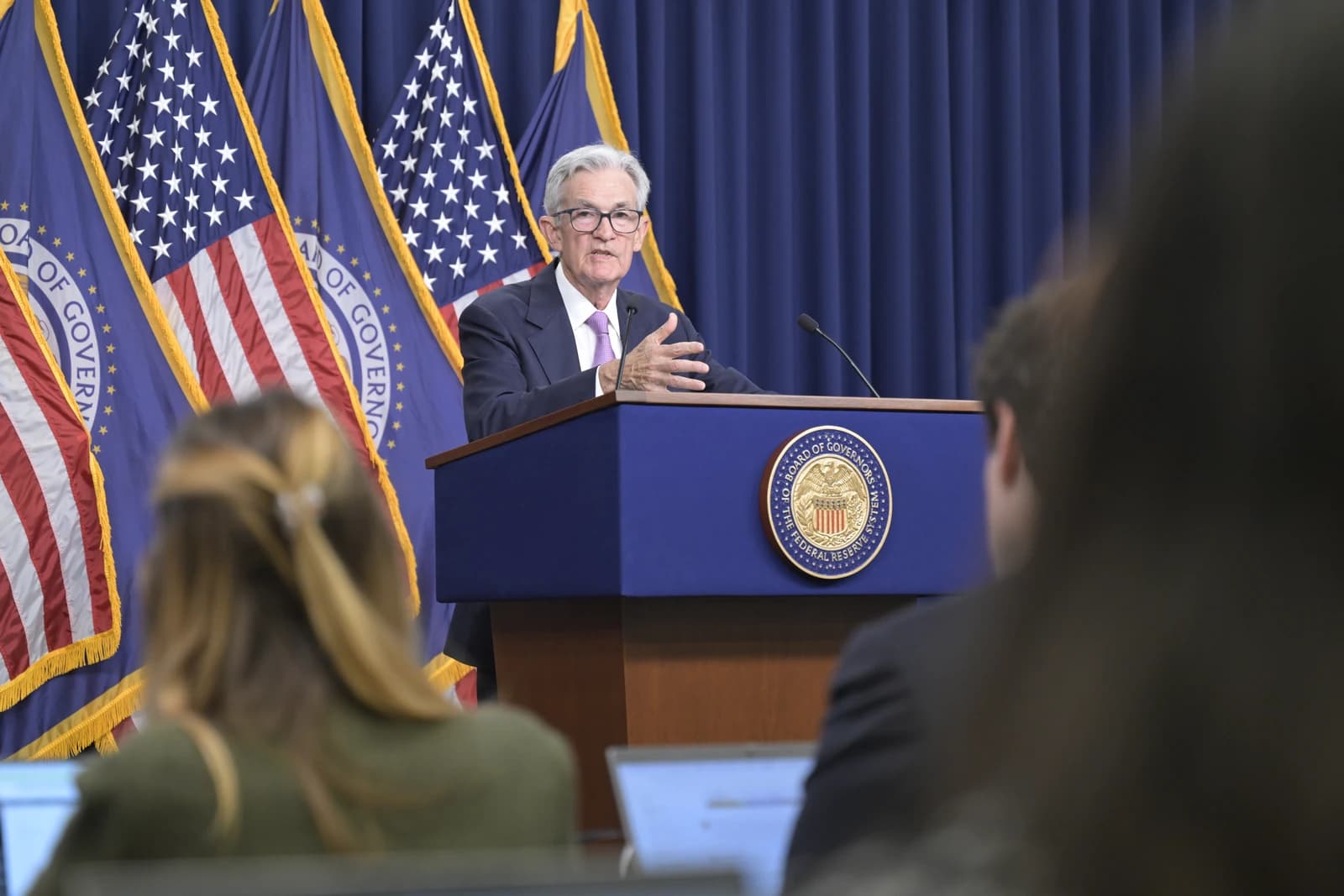
The Federal Reserve may need to raise interest rates again in the near term, Richmond Fed President Thomas Barkin said, reinforcing market bets that policymakers are still biased toward tightening as inflation remains above target and the labor market stays firm.
Fed's Barkin Says More Rate Hikes May Be Needed
Barkin said the economy is still “quite strong” and appears overheated, making further increases appropriate even though he did not specify the timing or size of any move. He said unemployment is near historic lows and inflation is still too high, adding that the path ahead is “pretty linear” but the pace remains the key question.
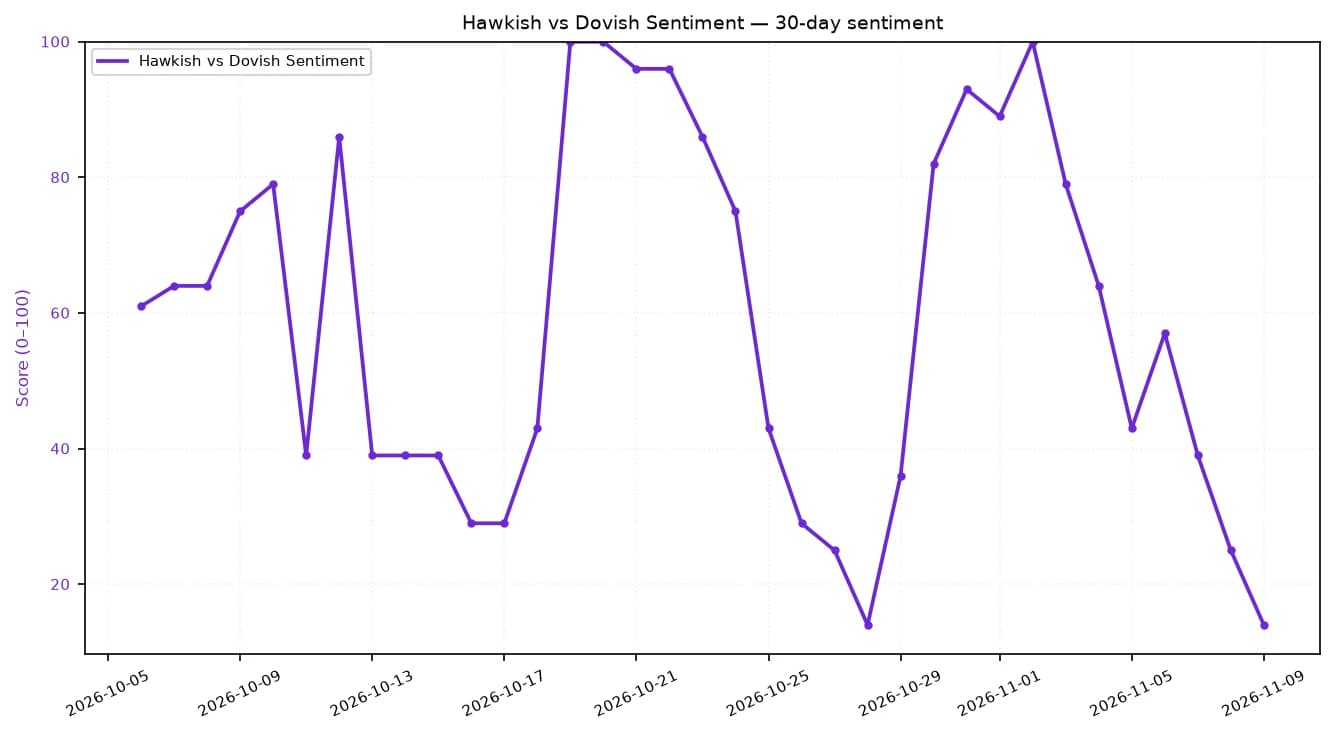
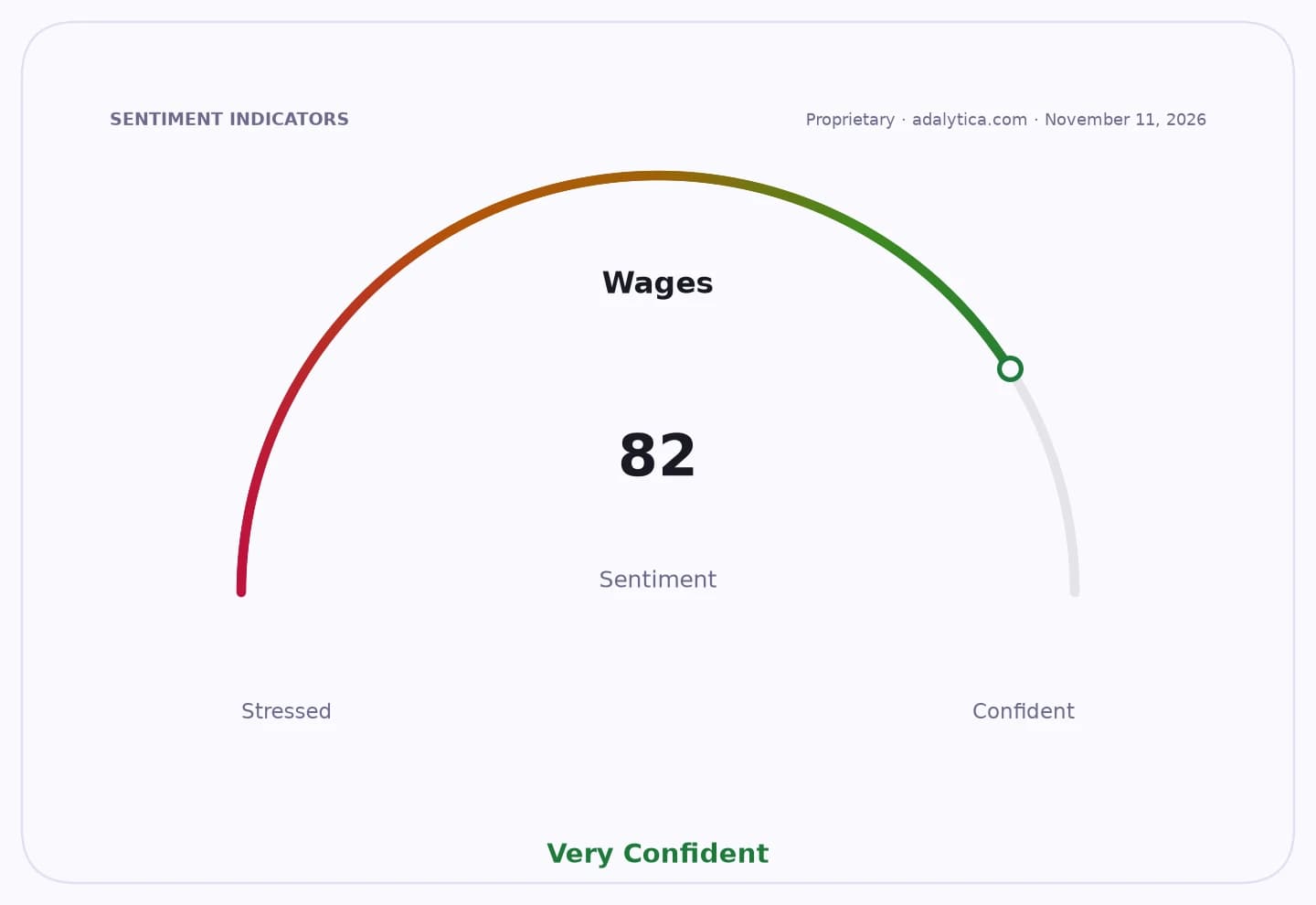
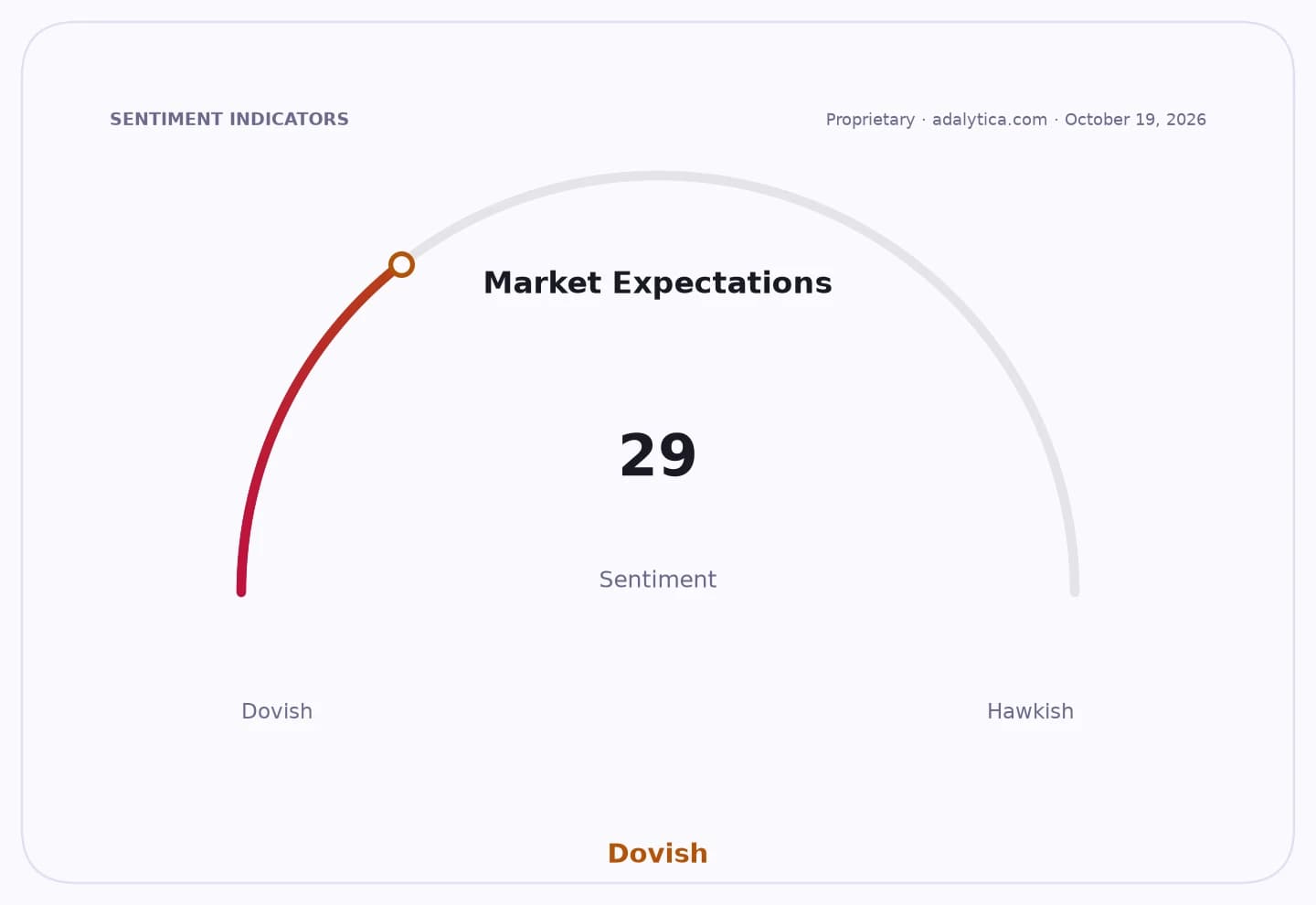
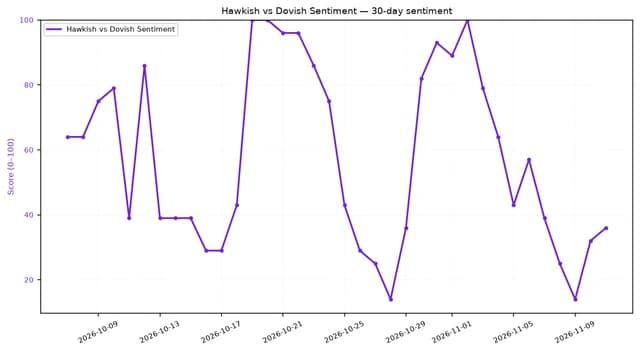
Sentiment Indicators
Hawkish vs Dovish
The remarks matter because they support the view that the Fed is not done tightening even after a recent pause. Barkin does not vote on policy this year, but he will vote next year, giving his comments added weight for investors trying to gauge how broad support there is inside the central bank for another hike.
Markets were already pricing a meaningful chance of more tightening. At the time of his comments, traders assigned a 67% probability to a 25-basis-point increase at the next meeting in December, according to a market-implied rate tracker.
Barkin also stressed that gradual moves make sense given the uncertainty and incoming data, echoing the Fed’s recent guidance that officials want more evidence before deciding how far to go. He said inflation is the most important risk right now and expressed hope that the September decision and any future moves will help bring it down.
For investors, the message is broadly hawkish for bonds and rate-sensitive assets. A higher-for-longer policy path keeps pressure on Treasury prices, supports the dollar, and raises borrowing costs for consumers and companies, while financials may benefit if higher short-term rates persist without a sharp deterioration in credit quality.
That backdrop helps explain why traders remain focused on incoming inflation reports, labor data and the December Fed meeting. If price pressures stay sticky, the debate is likely to shift from whether the Fed hikes again to how long it keeps policy restrictive.
| Entity | Gains | Losses |
|---|---|---|
| Fed hawks | ▲Stronger case for more tightening | ▼Less room to pause |
| Treasury bond holders | ▲— | ▼Lower prices, higher yields |
| Banks | ▲Wider rate margins if growth holds | ▼Deposit costs may rise |
| Borrowers | ▲— | ▼Higher financing costs |