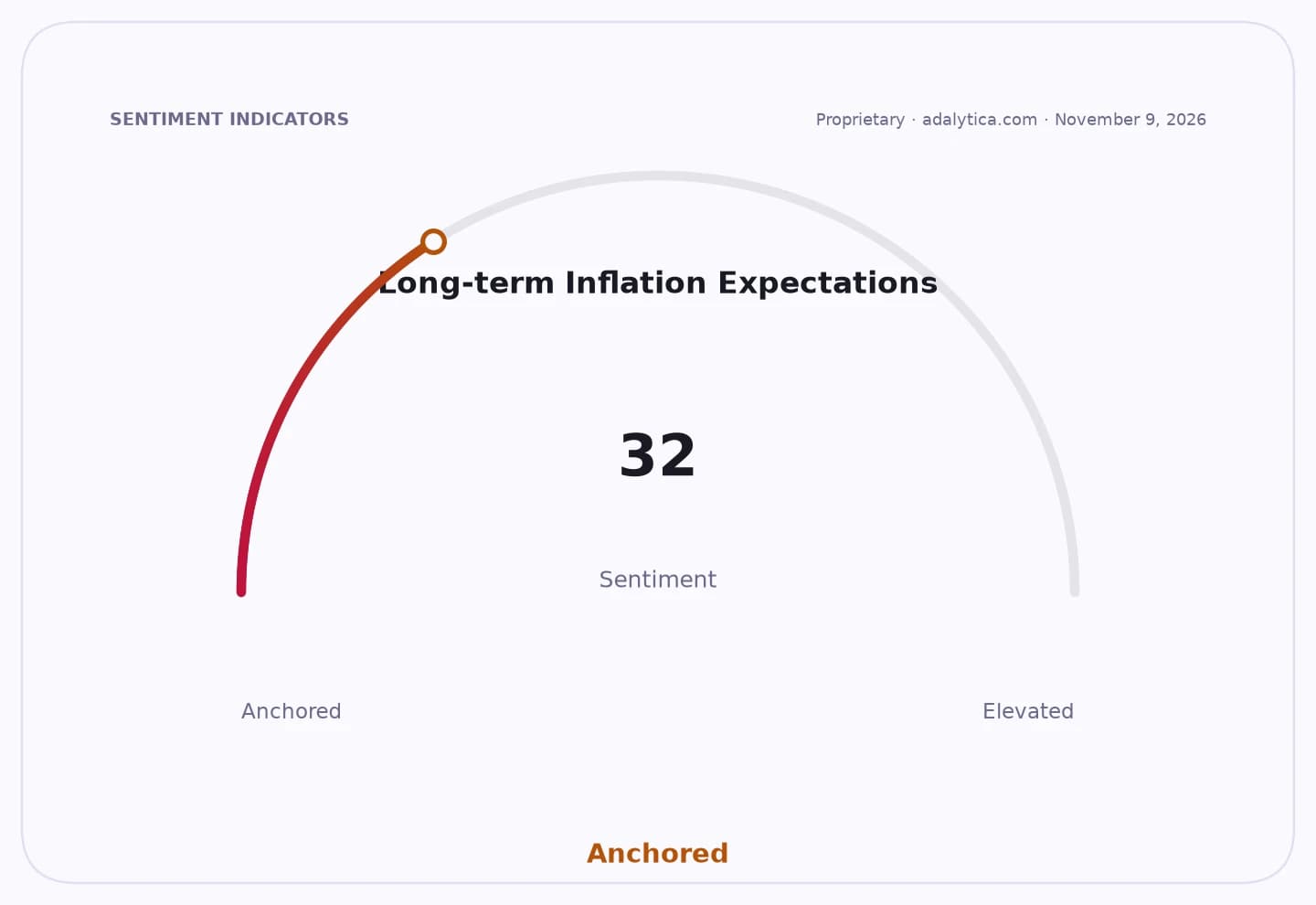
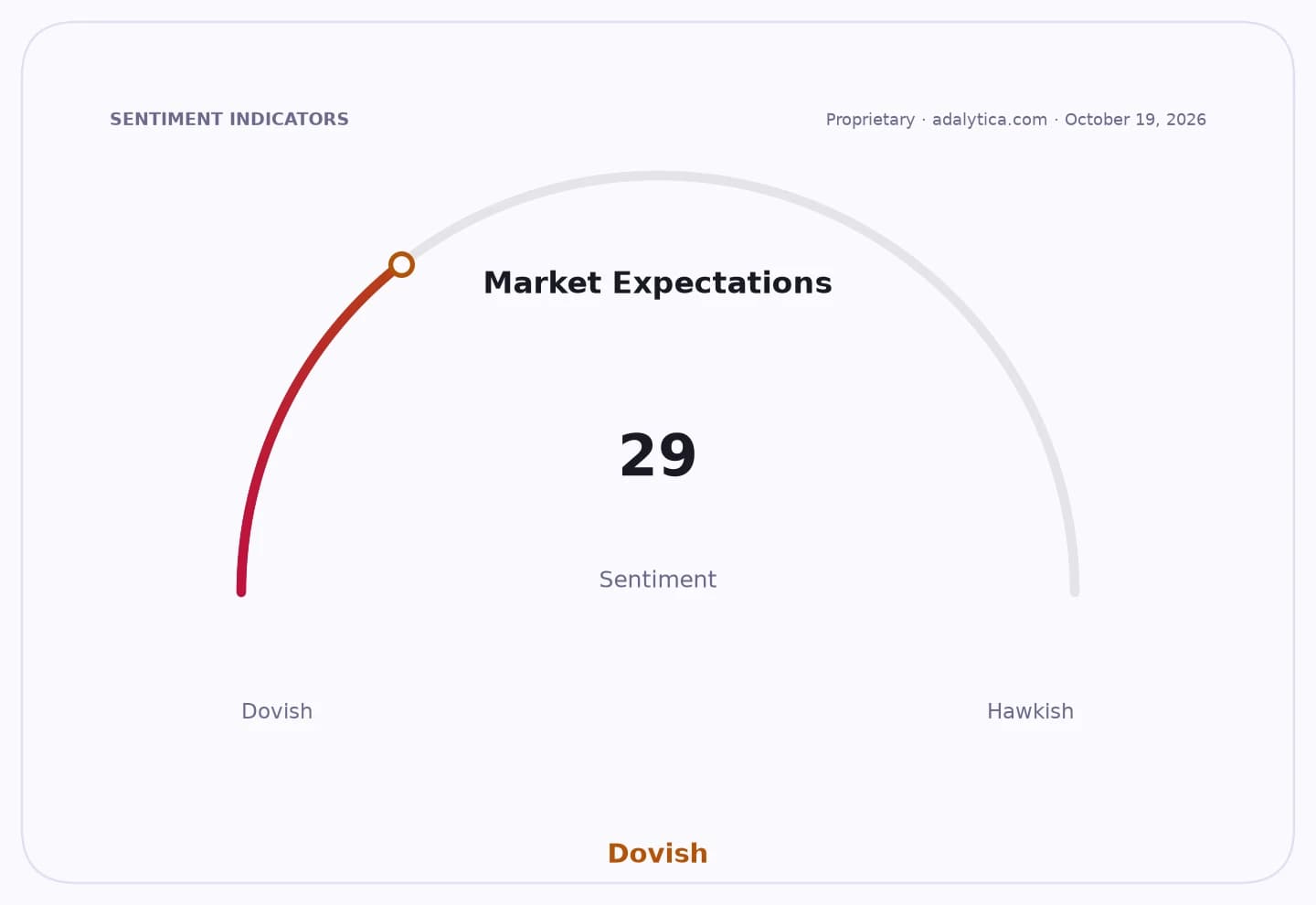
The most important development is not simply that a Fed official criticized a past move; it is that the debate inside the central bank is turning into a live market trade, with Treasury yields, bond prices and equity leadership all being repriced around the likelihood that policy is too tight. The message from Miran — that the September rate hike was a mistake — matters because it raises the odds that the Fed has already pushed rates beyond the neutral zone just as labor-market momentum begins to cool and growth-sensitive assets start to wobble.
Fed Critique Lifts Treasury and Rate-Sensitive Trades
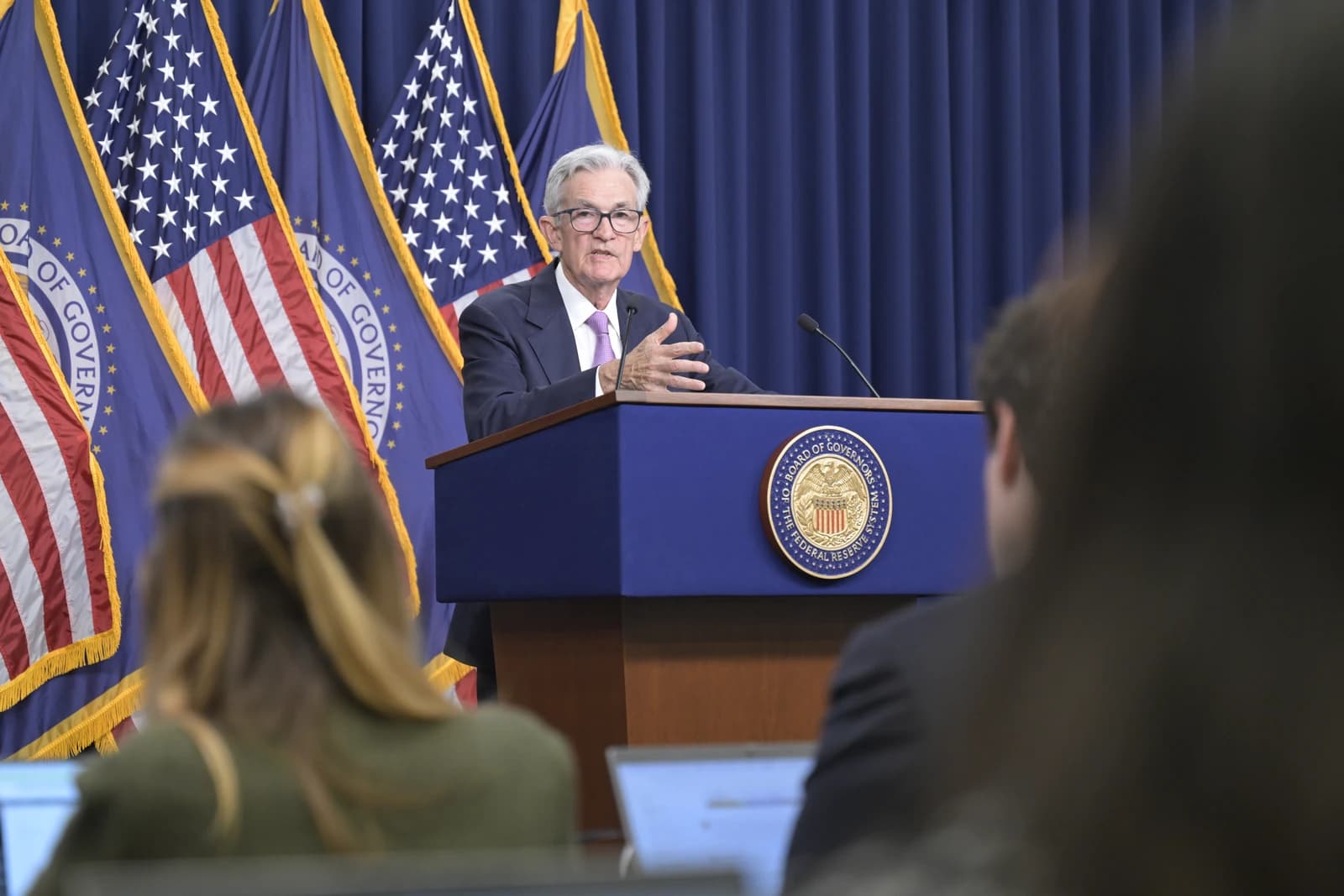
That is the kind of shift investors should care about immediately. The Fed funds rate is now at 3.88%, up from 3.75% in September and 3.63% in August, even as the unemployment rate has hovered around 4.1%-4.2%. On the surface, that looks like a central bank with room to stay restrictive. Under the hood, it also looks like a policy error risk: the economy is not overheating the way it was in earlier tightening cycles, yet the Fed is still leaning on activity after a long campaign of rate increases.
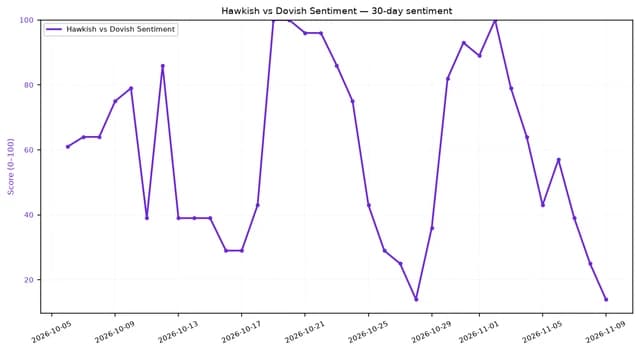
Sentiment Indicators
Hawkish vs Dovish
The bond market is already voting on that argument. The 10-year Treasury yield, which surged to 4.86% last week, has been volatile but is still near 4.83% in forecast terms, reflecting a market caught between stubborn inflation fears and the possibility that the next move is a pause rather than another hike. Long-duration Treasuries have responded more forcefully: TLT has climbed to 81.96 from 79.46 in late October, with its 50-day moving average above the 200-day, while Adalytica’s Treasury-bond trade signal sits in “Extreme Greed.” In other words, investors are positioning for lower yields even as policymakers keep talking tough.
Equities are split along the same fault line. The S&P 500 remains near 752.69, but its recent whipsaw and the drop in Adalytica’s Fed forward-guidance sentiment to “Extreme Fear” show how quickly confidence can evaporate when rate expectations turn muddled. Small caps, which are more exposed to financing costs, have been more fragile: IWM trades at 282.51 after a sharp November rebound, but its technical setup still reflects the stress of higher rates and tighter credit conditions. That matters because small businesses are the part of the economy most likely to feel the pinch first if borrowing costs stay elevated.
The narrative here is straightforward: the Fed is risking overtightening into a slowing but still resilient economy, and the market is beginning to price the cost of that mistake. If Miran’s critique gains traction, the real beneficiary is not just Treasuries. It is also long-duration growth, rate-sensitive equities and high-quality balance sheets that can thrive when yields stop rising. The losers are obvious too: banks with deposit beta pressure, highly leveraged borrowers and the parts of the market that depended on cheap capital to justify stretched valuations.
For investors, the opportunity is to lean into the dislocation before the consensus fully shifts. If the Fed blinks, duration should continue to outperform, and the cheapest way to express that view is through Treasury exposure and the sectors most levered to falling discount rates. If the Fed does not blink, the economy will have to absorb another round of tightening rhetoric without fresh inflation relief — a far harsher outcome for cyclicals and small caps than for long-duration assets. Either way, Miran’s remark is more than a policy critique: it is a warning that the next major move in markets may come from the Fed admitting it has already gone too far.
| Entity | Gains | Losses |
|---|---|---|
| Long Treasuries / TLT | ▲Lower-yield trade | ▼Repricing if Fed stays hawkish |
| Rate-sensitive growth stocks | ▲Easier discount rates | ▼Higher-rate pressure |
| Small caps / IWM | ▲Relief if hikes pause | ▼Higher funding costs |
| Banks / lenders | ▲Wider spread if growth holds | ▼Credit stress if policy overtightens |