For investors, the biggest risk in Kevin Warsh’s Fed is not tighter policy — it is less predictable policy.
Fed Guidance Cuts Could Raise Market Volatility

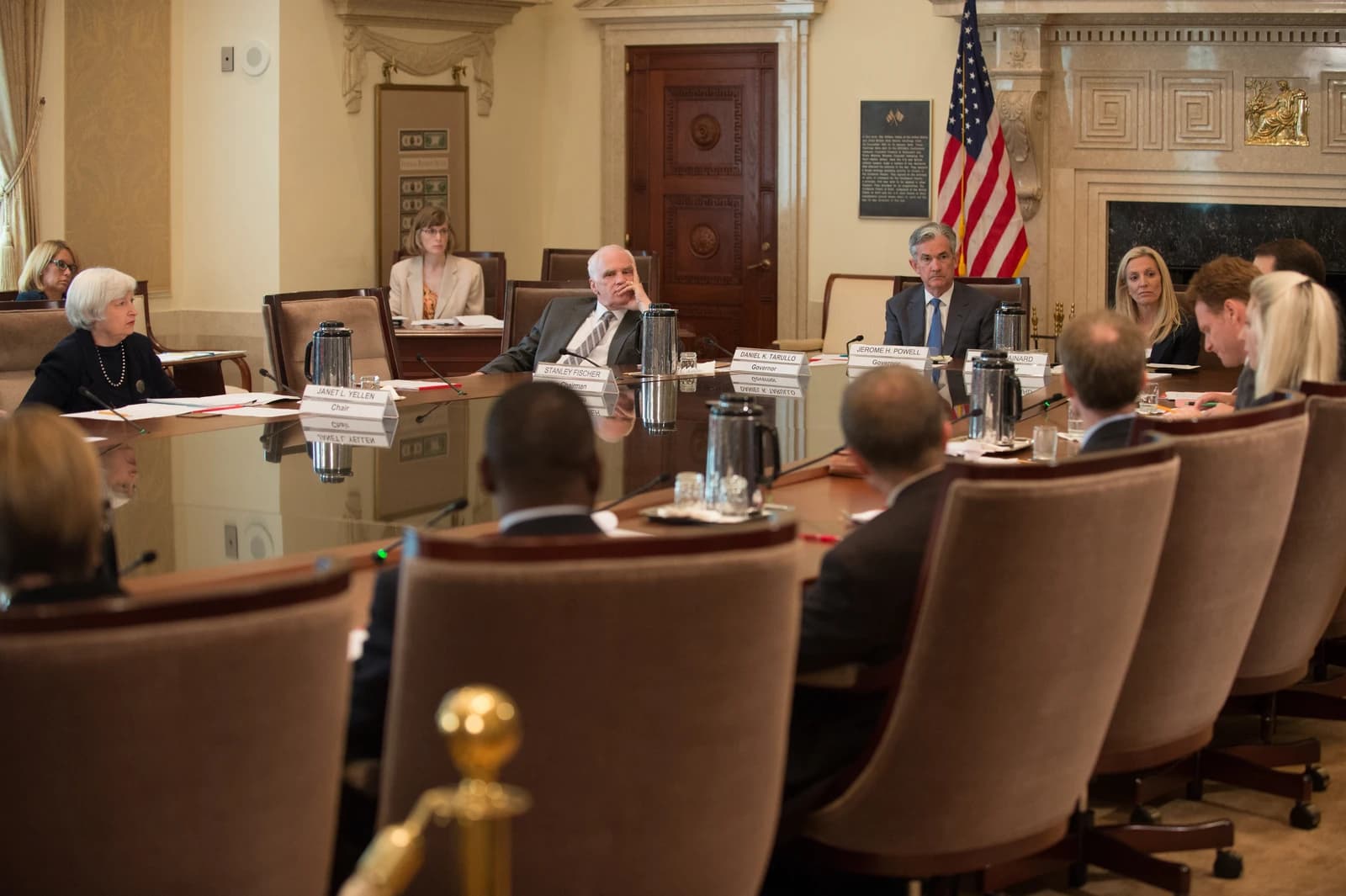
Goldman Sachs is warning that if the next Federal Reserve chair reins in forward guidance and tells markets less about the central bank’s thinking, the result could be slower transmission of policy and bigger swings in Treasuries, the dollar and rate-sensitive equities. That matters because markets have spent more than a decade pricing assets around the Fed’s script, and they are already showing how violently they can react when that script disappears.
The macro case is straightforward. Forward guidance has effectively been a policy tool of its own, moving financial conditions before the Fed actually acts. Remove that signal and traders must wait for data and official rate decisions to reprice the path of policy. Goldman’s Investment Strategy Group says any changes would likely be gradual, but it still sees a real risk that policy lags lengthen and the adjustment becomes bumpier for both markets and the real economy.
The timing is especially awkward. Markets have already been whipsawed by a sudden swing in the odds of another rate hike, with futures pricing for an October move dropping from around 70% to below 40% in late September before climbing again after hotter-than-expected CPI. Most big banks still expect one more hike in December, but the path there is looking increasingly data dependent. That is exactly the kind of regime in which less Fed guidance can amplify volatility rather than calm it.
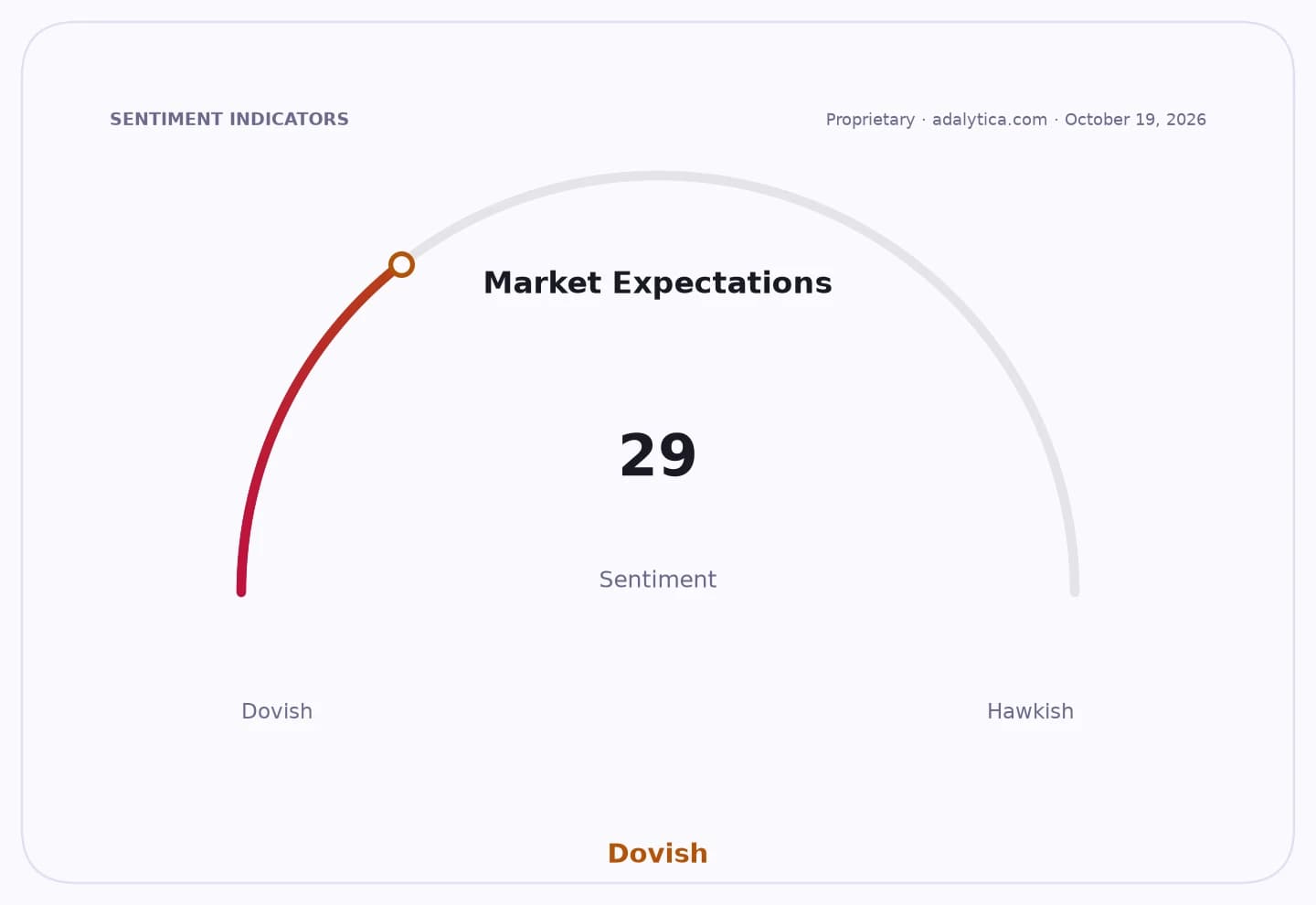
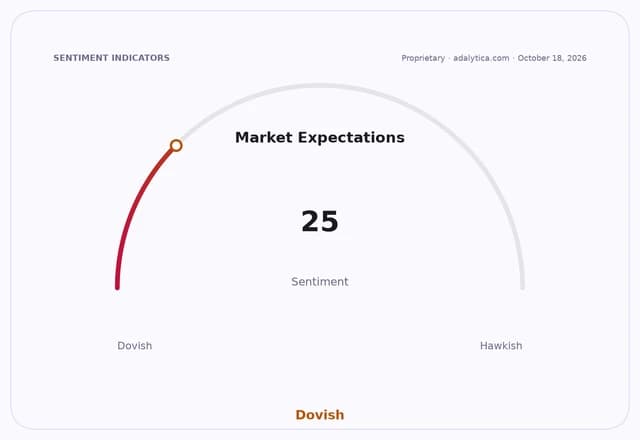
Market Expectations — 30-day sentimentadalytica.com
Explore this data interactively — full history, time series and cross-market comparisons.Open AlphaPulse
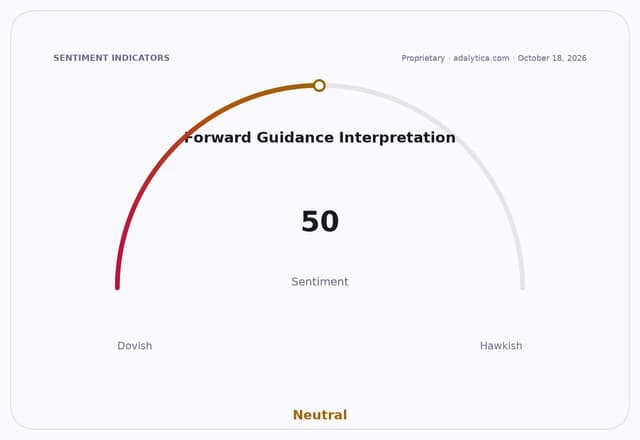
That shift has direct investable consequences. Short-dated Treasuries and the dollar are the most exposed to every inflation print, jobs report and Fed comment. The 10-year Treasury yield, which moved to about 5.10% in recent trading before a small uptick in Goldman’s forecast, shows how fast rates can reprice when guidance is thin. The bond market is already telling you what a quieter Fed would mean: more reaction, less anchoring.
Equities would not be immune. The S&P 500 ETF has bounced hard from its spring lows, but the technical picture remains fragile enough that another jump in yields could quickly pressure growth stocks and other duration-sensitive names. On the other side, a firmer dollar — which has already been trading with strong awareness in Adalytica’s U.S. dollar signal — would tighten financial conditions globally and hit exporters and commodity-linked equities.
Oil is the wildcard that could make the volatility worse. With the Iran war keeping energy costs elevated, every move in crude feeds directly into inflation expectations. In a world with less Fed guidance, that feed-through matters more because markets have fewer verbal anchors to lean on. Gold, meanwhile, is likely to keep trading more off yields and hike expectations than geopolitical headlines, which means it remains a hedge against policy uncertainty as much as against war risk.
Warsh’s argument is not without merit. A central bank that says too much can trap itself or encourage markets to bet on the Fed instead of the economy. But the transition away from heavy guidance would likely be noisy, and that creates an opportunity for investors who understand the second-order effects. The market underestimates how much of today’s calm in rates, currencies and equities depends on the Fed narrating the path ahead.
That is why the setup into the Oct. 27-28 FOMC meeting matters. If Warsh follows through and offers little on the next move, the market will have to make its own call. For traders, that is not clarity — it is a volatility catalyst.
| Entity | Gains | Losses |
|---|---|---|
| Short-volatility traders | ▲Bigger swings to trade | ▼Anchored rate pricing |
| Treasury bears | ▲Faster repricing higher | ▼Stable bond yields |
| Dollar bulls | ▲Stronger safe-haven demand | ▼Softer FX volatility |
| Rate-sensitive equities | ▲None | ▼Higher discount-rate pressure |