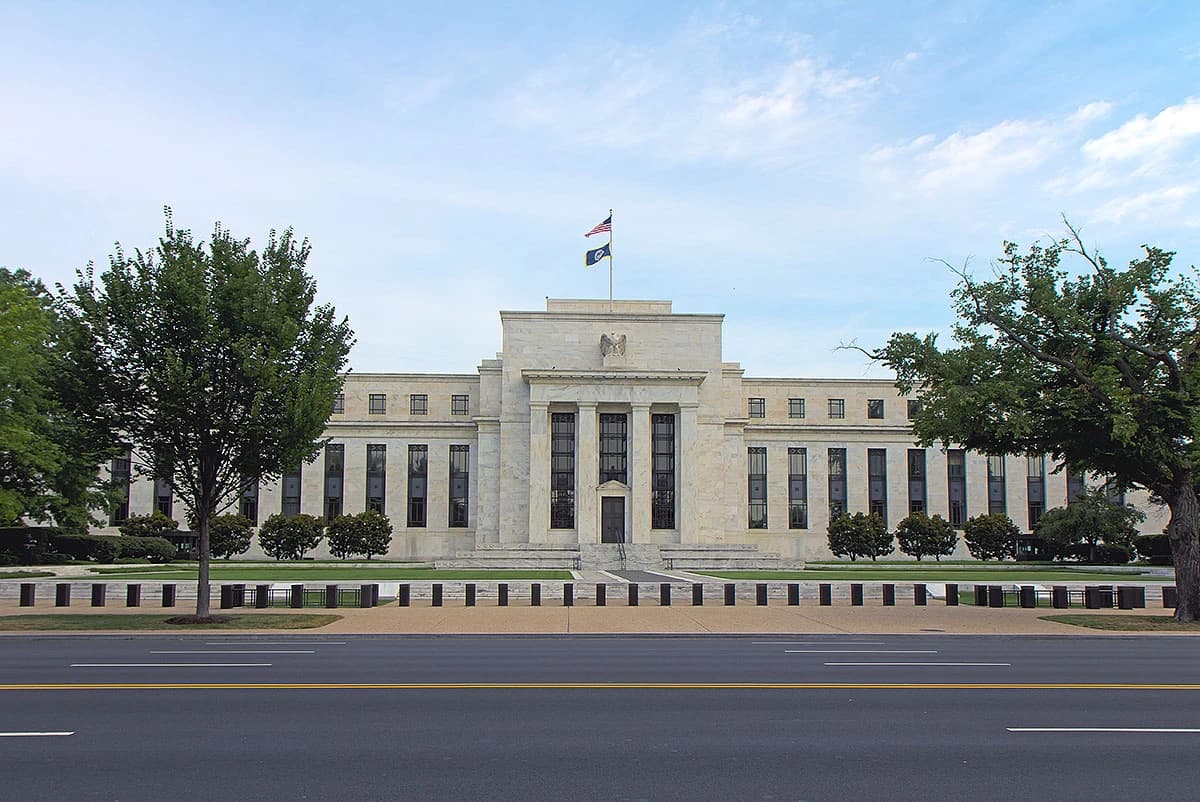
The Federal Reserve looks increasingly likely to keep interest rates unchanged at this month’s meeting, and that matters because the next policy move will shape borrowing costs, bank margins and market sentiment well into year-end.
Fed Seen Pausing in October, Hike Odds Rise for December
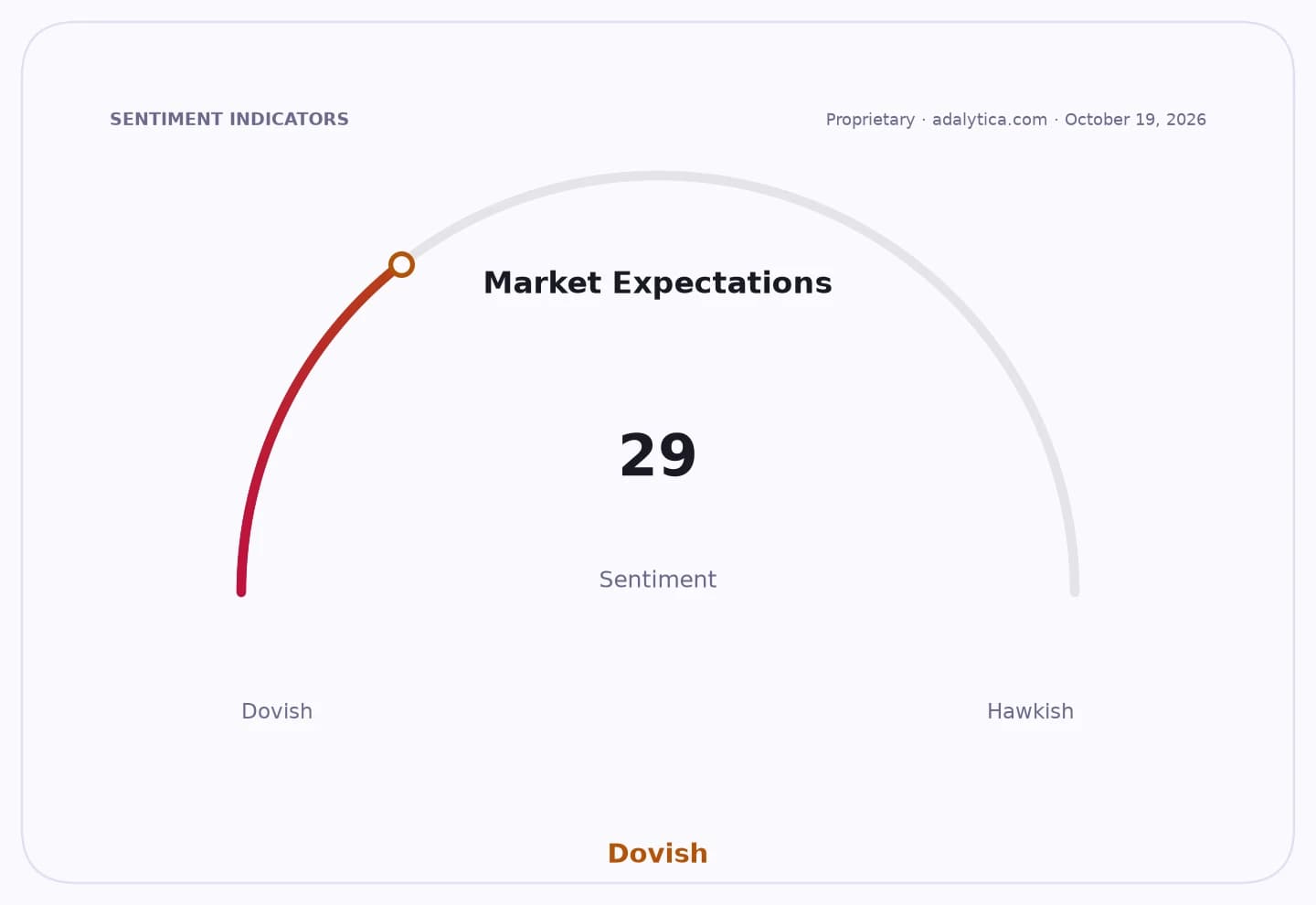
Goldman Sachs economists said comments from Fed Governor Kevin Warsh and other policymakers point to a pause in October, even though the bank still expects one final quarter-point hike in December. Markets have largely moved in the same direction: CME FedWatch shows traders assigning an 82.8% probability that the Fed holds its benchmark rate at 3.75% to 4.00% on Oct. 28, with a 90.6% chance of a 25-basis-point increase on Dec. 9.
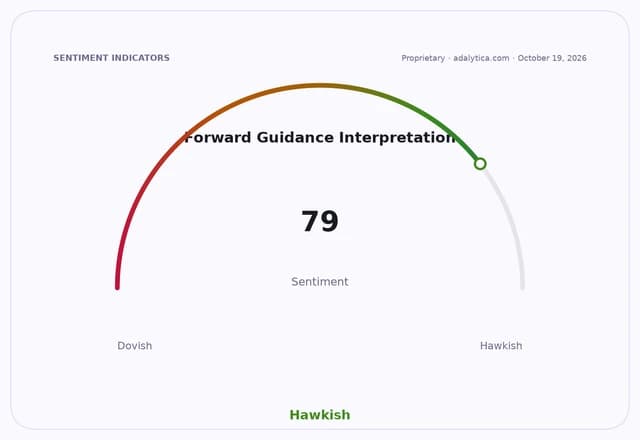
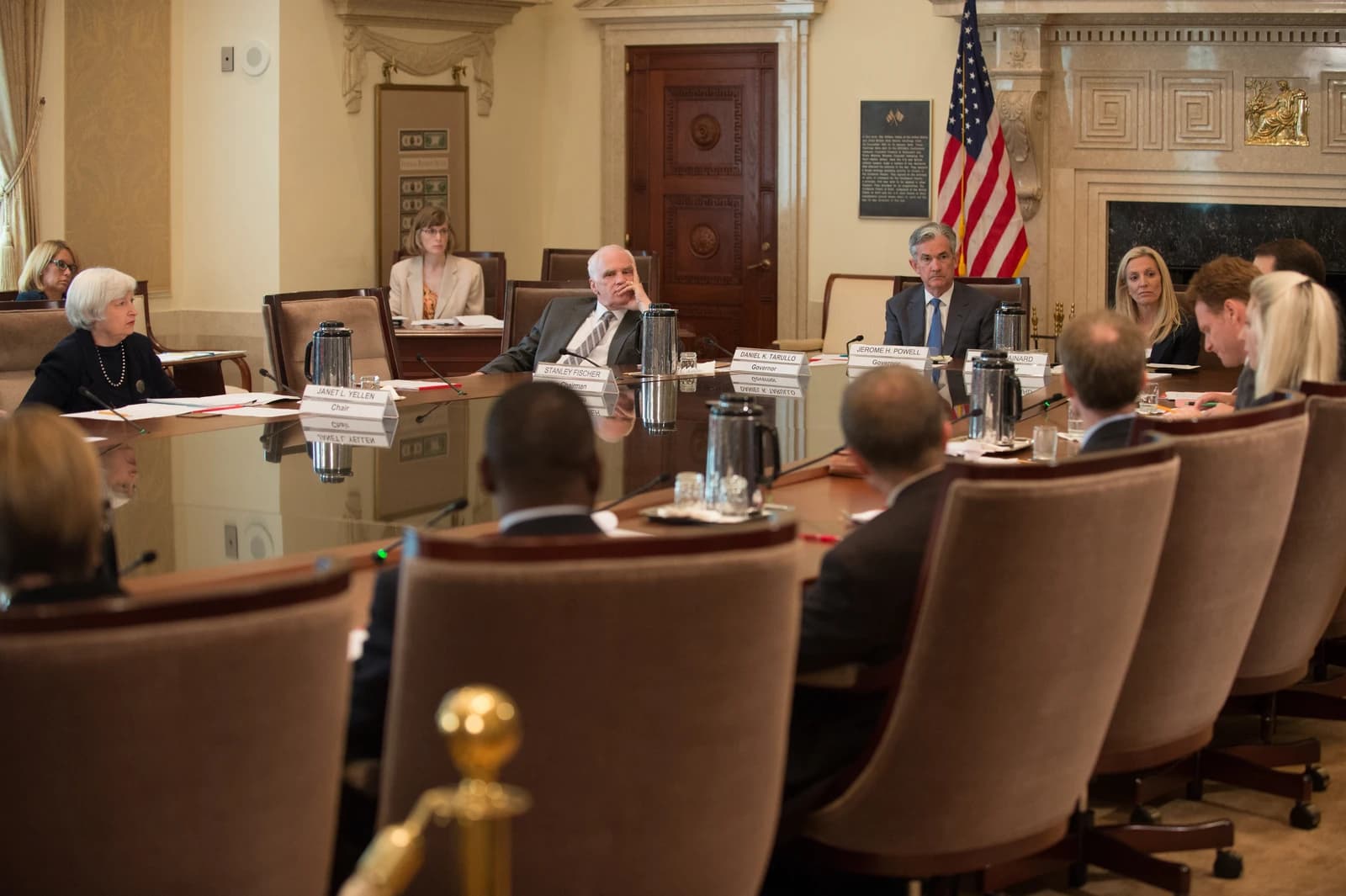
The message from Washington is less about whether inflation is still too hot — it is — and more about how the Fed is choosing to respond. Warsh signaled he is not inclined to pre-commit to any move before the meeting, underscoring his opposition to forward guidance and reinforcing the idea that policymakers want to keep investors guessing until the data are in. That stance usually means less volatility in the policy path, but it also keeps the market highly sensitive to each new inflation and labor report.
For investors, the immediate takeaway is that the odds of a near-term rates shock are falling. That has implications across equities, bonds and currencies. The dollar has already retreated from an 18-month high, while Treasury yields remain elevated, with the 2-year at about 4.80% and the 10-year near 5.10%. Those levels still signal restrictive policy, but the absence of an October hike would remove one more source of pressure from rate-sensitive assets.
The biggest corporate beneficiaries would likely be banks and other lenders that earn more when short-term rates stay high. Goldman Sachs and JPMorgan both sit in the thick of that trade, although their stocks have recently cooled. Goldman’s shares were trading at $881.26, below both its 50-day moving average of $973.13 and its 200-day average of $952.67, while JPMorgan was at $339.72 versus a 50-day average of $346.69. The broader financials ETF, XLF, has also pulled back, even as its price remains above its 200-day average.
That is a reminder for long-term investors that the story here is not just one meeting. It is the shape of the rate cycle. If the Fed pauses now and tightens only once more later this year, the market will spend the next several months debating whether policy is near its peak or simply taking a breather. Either way, the path of rates is still central to bank earnings, equity valuations and the direction of the dollar.
Adalytica’s market expectations gauge shows fear around the Fed outlook, while its forward-guidance sentiment is elevated, suggesting investors remain eager for clearer signaling even as policymakers refuse to provide it. That disconnect is where opportunity often appears: not in trying to predict every Fed statement, but in owning durable businesses that can compound through a slower, more measured tightening cycle. For patient investors, this is worth watching, not chasing.
| Entity | Gains | Losses |
|---|---|---|
| Banks | ▲Higher-for-longer lending margins | ▼Borrowers seeking cheaper credit |
| Goldman Sachs, JPMorgan | ▲Rate support for net interest income | ▼Near-term stock momentum |
| Dollar bulls | ▲Less aggressive Fed tightening priced out | ▼Dollar strength from hike bets |
| Bond investors | ▲Potentially fewer surprise hikes | ▼More inflation risk if policy stays tight |