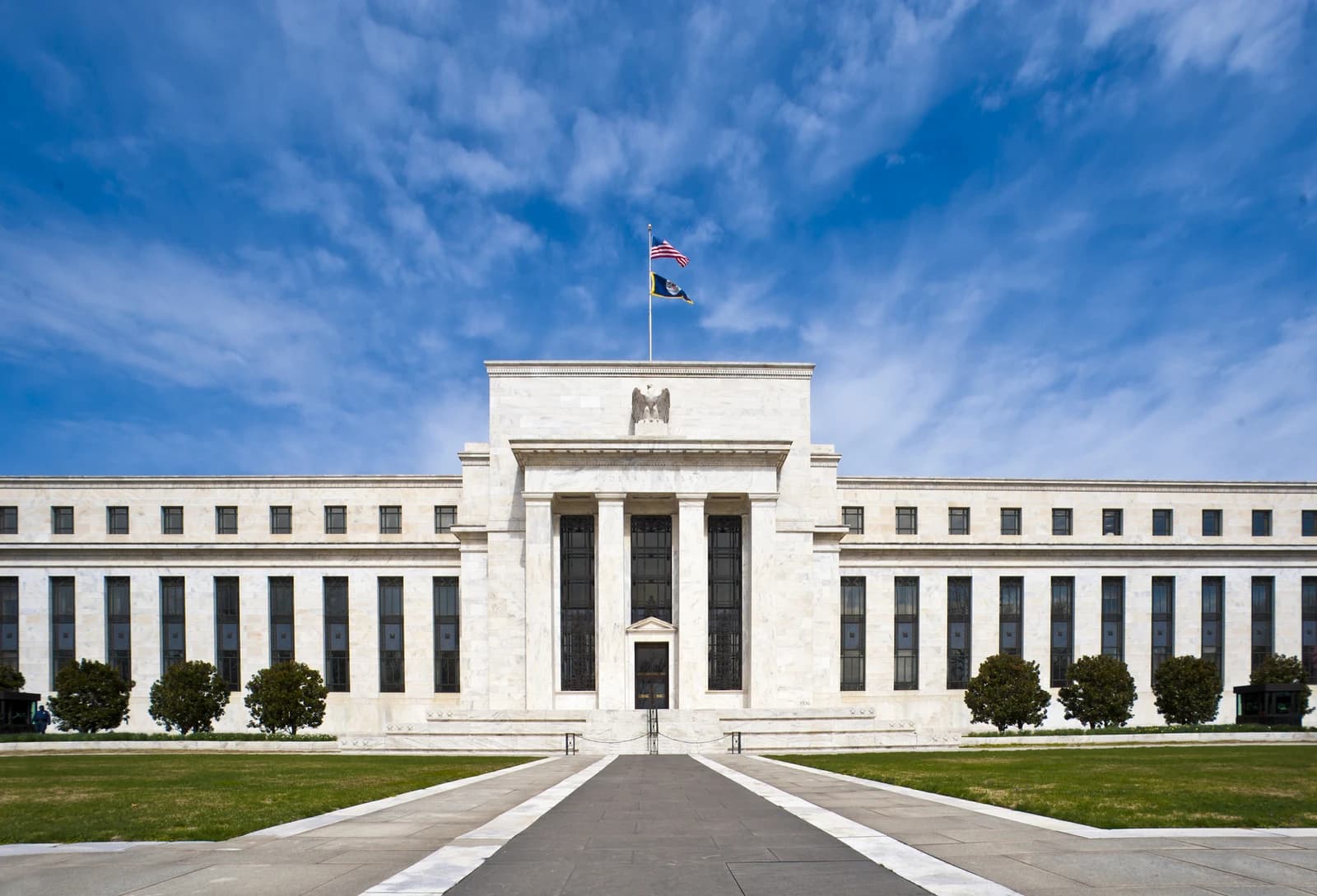
Wages in the United States rose more than expected in October, a sign that pay growth is still running hot enough to keep the Federal Reserve cautious, but not so hot that it derails the case for lower interest rates next year.
U.S. wages rise 0.4% in October
Wages
The Labor Department said hourly earnings increased 0.4% from September, the fastest monthly gain this year and above economists’ 0.3% forecast. On a year-over-year basis, wages climbed 3.1%, topping expectations for 2.9%. For investors, that matters because wage growth is one of the Fed’s clearest gauges of whether inflation can keep cooling without a fresh squeeze on households and margins.
Sentiment Indicators
A 0.4% monthly rise may not sound dramatic, but in the context of a labor market that has cooled only gradually, it suggests consumers still have some spending power. That is constructive for the economy, especially for companies selling essentials and everyday goods, but it also keeps pressure on labor-intensive businesses that have already been forced to absorb higher payroll costs or pass them on through prices.
The read-through for markets is straightforward. Higher wages can support demand and corporate revenue, which helps broad equity indexes, but they can also slow the pace of disinflation and limit how quickly the Fed can ease policy. That is why Treasury investors were watching the report closely: stronger pay growth tends to keep bond yields from falling too far, while equity investors usually have to balance the benefit of resilient consumption against the drag from persistent wage inflation.
For long-term investors, the bigger story is not one data point but the shape of the next few quarters. If wages keep rising faster than inflation, households gain real purchasing power and defensive consumer businesses can stay resilient. If pay growth stays sticky while inflation also proves stubborn, margins could remain under pressure and the Fed may stay on hold longer than markets want. Either way, this is the kind of labor-market backdrop that rewards patience, diversification and a focus on companies with pricing power, strong cash flow and durable demand. Worth watching.
| Entity | Gains | Losses |
|---|---|---|
| U.S. workers | ▲Higher paychecks | ▼None immediately |
| Consumer-facing companies | ▲Stronger spending demand | ▼Higher labor costs |
| Bond investors | ▲Easier inflation fears fade slowly | ▼Faster bond rallies delayed |
| Federal Reserve hawks | ▲Case for caution supported | ▼Doves seeking quick cuts |